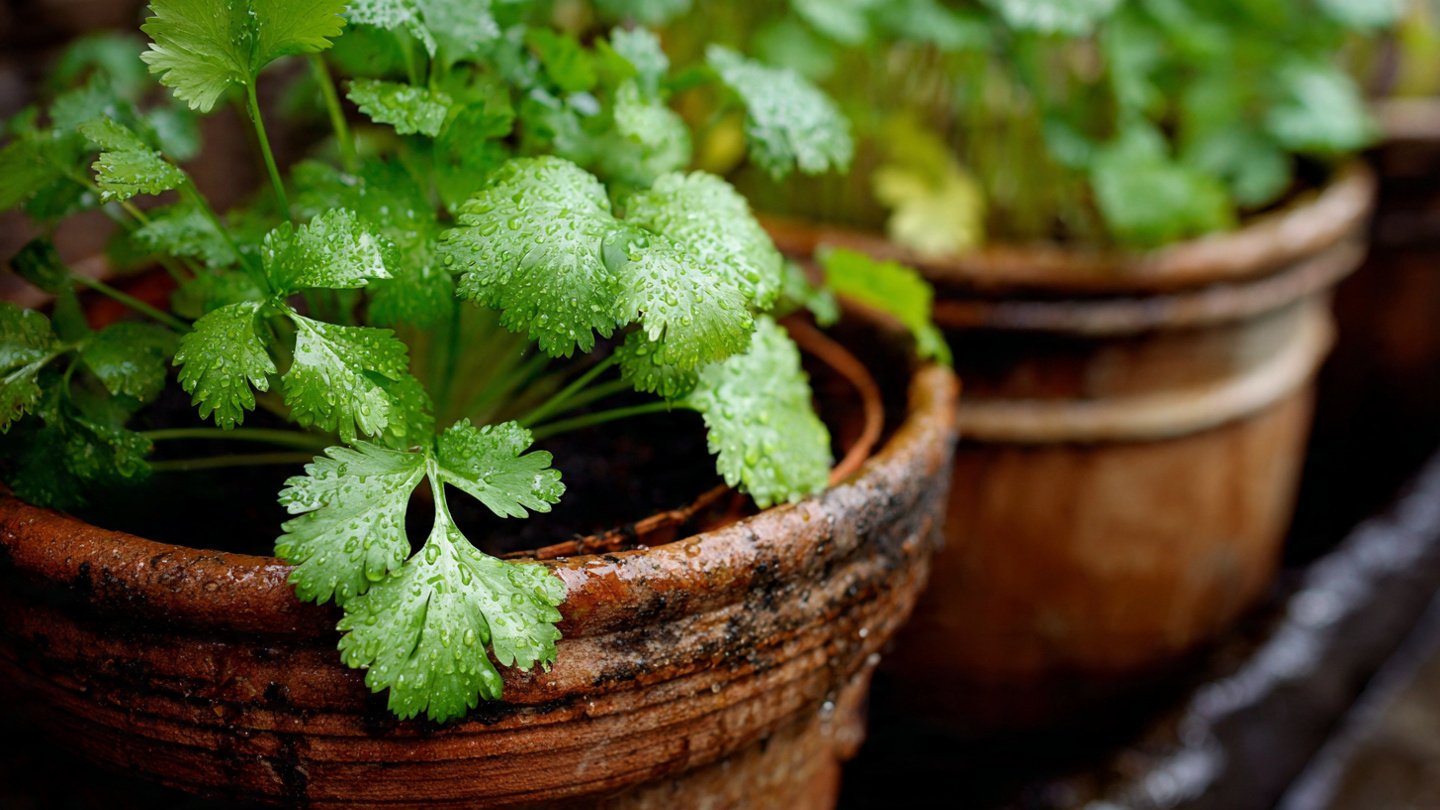
Coriander (Coriandrum sativum), also known as cilantro or Chinese parsley, is a versatile herb widely celebrated for its fragrant leaves and aromatic seeds. It is a staple in global cuisines, from Indian curries and Mexican salsas to Mediterranean salads and Middle Eastern dishes. Growing coriander at home is a rewarding endeavor, especially for gardeners with limited space, as it thrives in small pots and containers. With the right approach to soil, watering, sunlight, and care, you can enjoy fresh, vibrant coriander leaves year-round. This comprehensive guide will walk you through every step of successfully cultivating coriander in small pots for your home garden.
Understanding Coriander Growth
Coriander is an annual herb that completes its life cycle in one growing season. Its growth is divided into two stages: vegetative (leaf production) and reproductive (flowering and seed formation). The leafy stage is most valued for culinary use, while the seeds provide a fragrant spice used in cooking.
Coriander has a taproot system, making it essential to use deep pots to accommodate root growth. Additionally, the herb is a short-day plant, meaning it grows best in cool conditions and may bolt (flower prematurely) in excessive heat. Understanding these characteristics ensures you can plan your cultivation for maximum yield and flavor.
Choosing the Right Pot
The container you select is crucial for coriander’s health and productivity. For small-space gardening, pots ranging from 6 to 12 inches in diameter work well, provided they are at least 6 inches deep to allow room for the taproot.
Ensure the pot has adequate drainage holes to prevent waterlogging, which can lead to root rot. Terracotta and ceramic pots are excellent choices, as they allow soil to breathe and help prevent excessive moisture retention. Plastic pots are also acceptable if they provide proper drainage, but they may retain more moisture, requiring careful monitoring of watering.
Selecting Quality Seeds
Starting with high-quality coriander seeds ensures strong, healthy plants. Whole seeds are typically used for sowing, although some gardeners prefer pre-split seeds to encourage faster germination. Organic, untreated seeds are ideal for home cultivation, as they are free from chemical coatings that may inhibit germination or harm edible plants.
Choose a variety suited to your growing conditions. Popular varieties for container gardening include ‘Santo,’ ‘Calypso,’ and ‘Leisure,’ known for their robust leaf production, compact growth habit, and slow bolting tendency.
Preparing the Soil
Coriander thrives in loose, well-draining soil enriched with organic matter. A balanced potting mix, ideally a blend of garden soil, compost, and perlite, provides adequate aeration and fertility. Avoid heavy clay soils that retain water and compact easily, as these can stunt growth and encourage root rot.
Before sowing seeds, moisten the soil slightly. This promotes better seed-to-soil contact and encourages uniform germination. Lightly pressing the soil surface ensures that seeds remain in contact without burying them too deeply; coriander seeds should be sown about ¼ to ½ inch deep.
Sowing and Germination
Sowing coriander seeds in small pots is straightforward but requires attention to spacing and depth. Sow seeds thinly, as overcrowding can lead to poor air circulation, increasing the risk of fungal diseases. If using a 6-inch pot, 5 to 8 seeds are sufficient.
Germination typically takes 7 to 14 days under optimal conditions. To accelerate sprouting, cover the pot lightly with plastic wrap or a clear lid to create a mini-greenhouse effect, maintaining warmth and humidity. Once seedlings emerge, remove the cover and ensure adequate airflow to prevent damping-off disease.
Light Requirements
Coriander grows best in bright, indirect sunlight. A south-facing window or balcony with 4 to 6 hours of daily sunlight is ideal. While the herb tolerates partial shade, insufficient light may result in leggy plants with weaker flavor.
For indoor gardeners, supplemental grow lights can provide the necessary spectrum for healthy growth. Position lights 6 to 12 inches above seedlings for 12 to 16 hours daily, simulating natural sunlight conditions and promoting compact, vigorous leaves.
Watering Practices
Maintaining consistent soil moisture is critical for coriander. The soil should be kept evenly moist but not soggy. Overwatering can lead to root rot, while underwatering stresses the plant, causing premature bolting.
A simple technique is to water from the base by placing the pot in a shallow tray of water, allowing the soil to absorb moisture gradually. This prevents water from splashing onto leaves, reducing the risk of fungal infections. Mulching the soil surface with a thin layer of straw or compost helps retain moisture and regulate temperature.
Fertilization and Nutrition
Coriander benefits from moderate feeding to encourage lush, flavorful foliage. Use a balanced, water-soluble fertilizer diluted to half strength every two to three weeks. Organic options such as compost tea or fish emulsion provide gentle, natural nutrients without over-fertilizing.
Avoid excessive nitrogen, which can promote rapid leaf growth but reduce flavor intensity. Observing leaf color and growth patterns helps determine when additional fertilization is necessary, ensuring healthy, aromatic herbs without chemical overload.
Thinning and Transplanting
Once seedlings develop two or three true leaves, thinning is essential to prevent overcrowding. Remove weaker plants, leaving the strongest seedlings spaced 2 to 3 inches apart. Thinning improves air circulation, reduces competition for nutrients, and promotes stronger, more robust plants.
If growing coriander in larger pots or shared containers with other herbs, transplanting healthy seedlings to individual pots can optimize growth and reduce competition. Handle roots gently to avoid damage, and water thoroughly after transplanting to encourage establishment.
Bolting and Flowering Control
A common challenge in coriander cultivation is premature bolting, where the plant flowers and produces seeds too quickly. Bolting often occurs due to heat stress or extended daylight. To mitigate this, keep plants in cooler, shaded areas during hot weather, and maintain consistent moisture levels.
Harvesting leaves regularly also delays flowering, as cutting back encourages the plant to continue vegetative growth. If flowers appear, they can be left for seed production or removed to focus energy on leaf growth.
Harvesting Leaves and Seeds
Coriander leaves are ready for harvest approximately 3 to 4 weeks after germination. Use clean scissors or pruners to snip leaves from the outer stems, allowing inner shoots to continue growing. Harvesting regularly promotes bushier growth and prevents the plant from becoming leggy.
For seed production, allow the plant to flower and form seed heads. Collect seeds once they turn brown and dry. Seeds can be stored in airtight containers for several months, providing a home supply of coriander spice.
Pest and Disease Management
While coriander is generally hardy, small pots can be susceptible to pests like aphids, whiteflies, and spider mites. Monitor plants regularly and remove affected leaves promptly. Organic solutions, such as neem oil or insecticidal soap, provide effective control without harming edible plants.
Fungal diseases like powdery mildew may appear in humid conditions. Ensure adequate spacing between seedlings, proper drainage, and good air circulation to minimize risk. Removing affected leaves and adjusting watering practices can prevent further spread.
Companion Planting
Growing coriander in small pots allows for creative companion planting. Pairing coriander with other herbs like basil, parsley, or chives enhances growth and maximizes space efficiency. Coriander also attracts beneficial insects such as predatory wasps and ladybugs, which help control garden pests naturally.
Avoid planting coriander near crops that are highly sensitive to competition, as it may outcompete them for nutrients and light in confined container spaces.
Indoor and Outdoor Considerations
Coriander can thrive both indoors and outdoors in pots. For indoor cultivation, ensure sufficient light and stable temperatures, ideally between 60–75°F (15–24°C). Rotate pots periodically to encourage uniform growth.
For outdoor pots, protect plants from heavy rain or strong winds that can damage delicate leaves. Move pots into partial shade during extreme heat and provide consistent moisture. Seasonal adjustments help maintain year-round growth in different climates.
Long-Term Care and Successive Planting
To maintain a continuous supply of fresh coriander, practice successive planting. Sow new seeds every 2 to 3 weeks in separate pots to ensure overlapping harvests. Remove older plants that have bolted and replace them with new seedlings.
Regularly clean pots, refresh soil, and monitor for nutrient depletion to maintain plant health. Proper pot maintenance and routine planting schedules allow home gardeners to enjoy fresh, aromatic coriander throughout the year.
Conclusion
Growing coriander in small pots is a practical and rewarding way to enjoy fresh herbs, even with limited garden space. By selecting quality seeds, preparing well-draining soil, providing adequate sunlight, and implementing careful watering and fertilization routines, gardeners can cultivate vibrant, flavorful plants successfully.
Attention to thinning, pruning, pest management, and bolting control ensures long-term productivity, while creative companion planting and indoor/outdoor strategies maximize the potential of small spaces. With patience, consistency, and careful observation, home gardeners can transform simple pots into thriving coriander gardens, adding fresh flavor and aroma to every meal while connecting with the natural rhythm of plant growth.