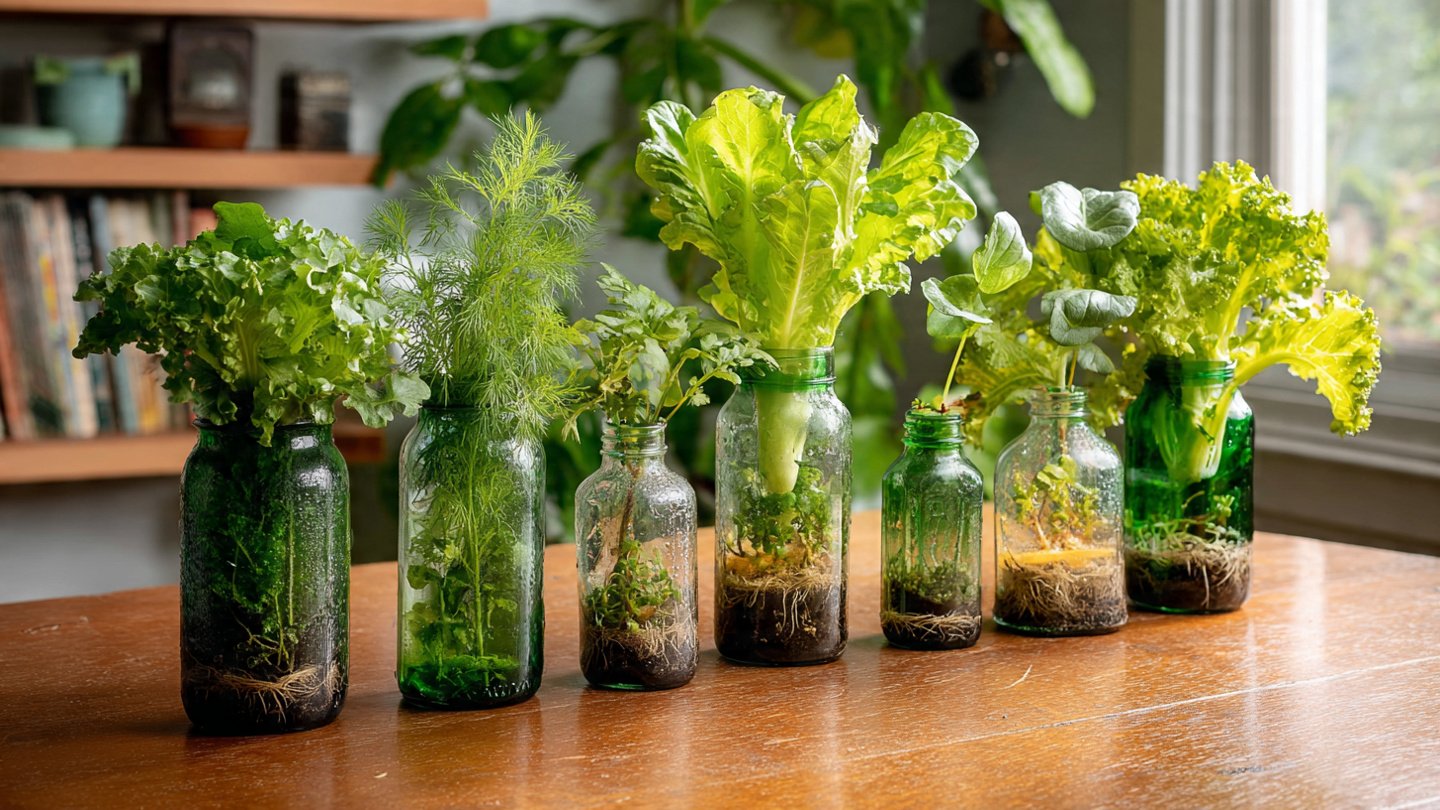
Urban living often comes with limited outdoor space, but that doesn’t mean you have to give up gardening. With creative techniques, you can grow a surprising variety of plants—even fruits, vegetables, and herbs—using everyday bottles. Bottle gardening, also known as container gardening or vertical gardening with recycled materials, is perfect for apartments, balconies, and small patios. It allows urban gardeners to maximize space, conserve water, and even grow vertically to increase yield. This guide explores how you can start growing in bottles, what to plant, and tips for achieving maximum harvests.
Why Bottle Gardening Works
Bottles provide an excellent environment for small-scale, urban gardening because they are:
- Compact: Perfect for limited space like windowsills, balconies, or shelves.
- Reusable: Repurposing plastic or glass bottles reduces waste and promotes sustainability.
- Customizable: Bottles can be cut, stacked, or hung to suit different plant types.
- Efficient: Containers help control soil quality, water usage, and sunlight exposure.
With thoughtful planning, even a few bottles can produce a surprisingly high yield of vegetables, herbs, and ornamental plants.
Choosing the Right Bottles
Selecting the appropriate bottles is crucial for plant health and productivity. Consider the following factors:
- Size: Larger bottles (2-liter soda bottles or juice containers) are ideal for vegetables and larger herbs, while smaller bottles work for leafy greens and succulents.
- Material: Plastic bottles are lightweight and easy to manipulate. Glass bottles offer a sturdy, eco-friendly option but require careful handling.
- Transparency: Clear bottles allow light to reach roots, which can sometimes lead to algae growth. You can wrap clear bottles with paper or paint them to reduce light penetration for the roots.
Reusing bottles also supports sustainable gardening practices by reducing household waste.
Preparing Bottles for Planting
Before planting, bottles need to be modified to support root growth, drainage, and soil retention:
- Cutting: Use scissors or a craft knife to cut the bottle. For vertical gardens, cut the top 1/3 off to create a planting chamber. For horizontal gardens, cut a side opening to insert soil and plants.
- Drainage Holes: Puncture 3–5 small holes at the bottom of the bottle to prevent waterlogging and root rot.
- Optional Hanging: Add strings, hooks, or wire through pre-drilled holes near the top for hanging vertical gardens.
Proper preparation ensures healthy growth and reduces the risk of overwatering.
Choosing the Right Soil
Soil selection is essential for maximizing harvests in bottle gardening. Use a well-draining, nutrient-rich soil mix:
- Potting Mix: Commercial potting soil is ideal for small containers.
- Compost: Adding compost provides essential nutrients and improves water retention.
- Perlite or Vermiculite: These materials increase aeration and drainage, preventing root rot in bottles.
Avoid using garden soil directly, as it can compact in bottles, retain too much water, and harbor pests.
What to Plant in Bottles
The type of plants you choose determines how successful your bottle garden will be. Consider plant size, root depth, and growth habits. Here are some suitable options:
- Leafy Greens: Lettuce, spinach, kale, and arugula grow well in shallow bottles and can be harvested continuously.
- Herbs: Basil, mint, cilantro, and parsley thrive in smaller bottles with good drainage.
- Vegetables: Cherry tomatoes, peppers, and radishes can grow in larger bottles with sufficient soil depth.
- Strawberries: Perfect for vertical bottles where plants can cascade downward.
- Succulents: Ideal for decorative bottle gardens with minimal maintenance.
For a mixed garden, group plants with similar light and water needs together to simplify care.
Watering and Fertilizing
Bottle gardens dry out faster than in-ground gardens due to limited soil volume, so consistent watering is essential:
- Watering: Check soil moisture daily. Water lightly to avoid overflow while keeping the soil evenly damp. Bottom watering is effective for bottles with drainage holes, allowing roots to absorb water without washing out soil.
- Fertilizing: Use a balanced, water-soluble fertilizer every 2–3 weeks. Slow-release organic fertilizers can also be incorporated into the soil during planting. For leafy greens, a nitrogen-rich fertilizer encourages lush growth. For fruiting plants, switch to a potassium and phosphorus-rich fertilizer to support flowers and fruits.
Proper watering and fertilization maximize growth, flavor, and harvest.
Vertical and Hanging Bottle Gardens
Vertical gardening allows you to maximize space and create a visually stunning display. Techniques include:
- Stacked Bottles: Cut the tops of large bottles and stack them, using the bottom of one as the top of the next. Secure with wires or wooden supports.
- Hanging Bottles: Drill holes near the top, thread string, and hang bottles from ceilings, balconies, or railings. Cascading plants like strawberries or herbs work well in this setup.
- Wall-Mounted Gardens: Fix bottles horizontally to walls using brackets, screws, or pallets. Cut side openings for soil and plant access.
Vertical setups not only save space but also increase exposure to sunlight, improving yields.
Light Requirements
Most vegetables and herbs require 6–8 hours of sunlight daily. Place bottle gardens near windows, balconies, or terraces with ample light. For indoor setups, consider using LED grow lights to supplement natural light. Rotate bottles periodically to ensure even exposure and prevent uneven growth.
Pest and Disease Management
Although bottle gardens are smaller and easier to manage, pests can still affect plants. Common issues include aphids, whiteflies, and fungal diseases. Effective strategies include:
- Inspect plants regularly and remove affected leaves promptly.
- Use natural pest deterrents such as neem oil, garlic spray, or insecticidal soap.
- Ensure proper drainage and avoid overwatering to prevent fungal growth.
- Space bottles appropriately to improve airflow and reduce humidity around plants.
Healthy plants are more resilient, reducing the need for chemical interventions.
Harvesting for Maximum Yield
Harvesting properly encourages continuous growth and maximum production:
- Leafy Greens: Harvest outer leaves regularly while allowing inner leaves to continue growing.
- Herbs: Pinch leaves frequently to promote bushy growth.
- Fruiting Plants: Harvest fruits when ripe; leaving them on the plant too long reduces further production.
Regular harvesting keeps plants productive and prevents overcrowding in limited container space.
Creative Tips for Vibrant Bottle Gardens
To make your bottle garden both productive and visually appealing:
- Color Coordination: Use colored bottles or paint clear bottles to enhance aesthetics while protecting roots from light.
- Companion Planting: Plant compatible species together, such as basil with tomatoes, to improve growth and deter pests.
- Decorative Arrangements: Arrange bottles in cascading tiers or spiral patterns for eye-catching displays.
- Recycling and Sustainability: Encourage eco-friendly practices by reusing bottles and minimizing waste.
These techniques make bottle gardening a functional, sustainable, and beautiful way to grow fresh food.
Long-Term Benefits
Growing in bottles offers several long-term advantages:
- Space Optimization: Ideal for urban settings and small patios.
- Water Efficiency: Small soil volumes and controlled watering reduce water waste.
- Sustainability: Reduces household waste while promoting local food production.
- Continuous Harvest: Frequent planting and vertical setups allow year-round production.
- Aesthetic Appeal: Bottle gardens double as decorative installations, enhancing the environment.
By investing a little creativity and care, even the smallest space can yield a bounty of fresh vegetables, herbs, and berries.
Conclusion
Bottle gardening is a revolutionary solution for urban gardeners and small-space enthusiasts. By repurposing plastic or glass bottles, you can create a vertical, compact, and highly productive garden that delivers maximum harvests. With careful selection of plants, proper soil, watering, sunlight, and pest management, a few bottles can transform even the tiniest balcony or windowsill into a flourishing green oasis.
The versatility of bottle gardening allows for endless creative possibilities: stacking, hanging, wall-mounted setups, or decorative arrangements. Herbs, leafy greens, and small fruiting plants thrive in containers, providing fresh, nutrient-rich produce year-round. By incorporating sustainable practices such as recycling and organic fertilizers, you also contribute positively to the environment.
Whether you are a beginner or an experienced gardener, bottle gardening offers a practical, efficient, and aesthetically pleasing way to enjoy homegrown produce. With patience, creativity, and proper care, your bottle garden can become a vibrant source of fresh vegetables, herbs, and berries—proving that even small spaces can yield maximum harvests.