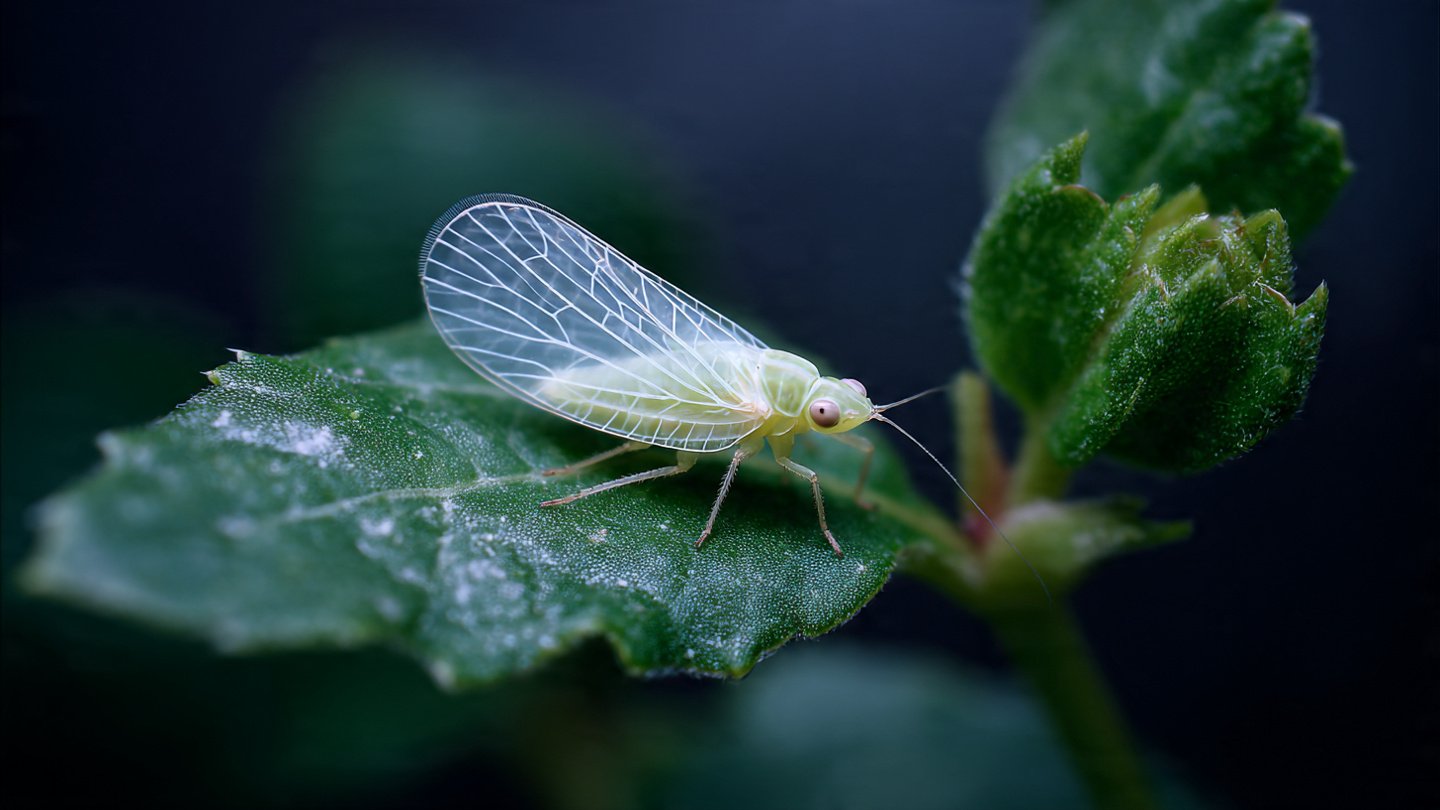
Gardeners and plant enthusiasts often face the frustrating challenge of controlling small, persistent pests like whiteflies, leafminers, and thrips. These tiny insects can damage leaves, stunt plant growth, and reduce yields in vegetables, flowers, and ornamental plants. While chemical insecticides are a common solution, they can harm beneficial insects, contaminate soil, and pose health risks. Fortunately, there is an eco-friendly, highly effective alternative: sticky insect traps. These traps provide natural pest control, helping gardeners manage infestations without chemicals while maintaining a balanced and healthy ecosystem. This article explores the benefits, mechanics, and application of eco-friendly sticky traps, along with tips to maximize their effectiveness.
Understanding the Target Pests
Before implementing sticky traps, it is important to understand the behavior and impact of common garden pests.
Whiteflies
Whiteflies are small, winged insects that feed on plant sap, often forming colonies on the undersides of leaves. They produce honeydew, a sticky residue that promotes sooty mold, weakening plants and reducing photosynthesis. Whiteflies can also transmit plant viruses, making early detection crucial.
- Signs of infestation: Yellowing leaves, sticky residue, small flying insects when disturbed.
- Affected plants: Tomatoes, peppers, cucumbers, ornamentals, and greenhouse crops.
Leafminers
Leafminers are larvae that tunnel inside leaves, creating visible trails or blotches. While adult leafminers may be small flies or moths, the primary damage occurs from their larval feeding. Heavy infestations can reduce photosynthesis, weaken plants, and compromise aesthetic appeal in ornamental foliage.
- Signs of infestation: Squiggly trails or blotches on leaves, reduced plant vigor.
- Affected plants: Spinach, kale, beets, and other leafy greens, as well as ornamentals.
Thrips
Thrips are tiny, slender insects that puncture plant cells to feed, leaving silvery streaks or black dots of excrement. They damage flowers, leaves, and fruits, often causing distortion and discoloration. Thrips also transmit viruses that can devastate sensitive crops.
- Signs of infestation: Silvery or bronzed streaks, curled leaves, stunted growth, and deformed flowers.
- Affected plants: Tomatoes, peppers, cucumbers, roses, and many flowering plants.
How Sticky Traps Work
Sticky insect traps are simple yet effective tools that attract and capture small flying pests. They typically consist of colored cards coated with a sticky, non-toxic adhesive. The mechanism works in three steps:
- Attraction: Most sticky traps use colors such as yellow or blue to attract specific pests. Yellow is highly attractive to whiteflies and thrips, while blue is effective for leafminers.
- Contact: Insects landing on the trap become stuck in the adhesive.
- Containment: Trapped insects are unable to escape, preventing them from reproducing and spreading further.
By removing adult insects from the environment, sticky traps break pest life cycles, reducing population levels naturally without harming beneficial predators.
Benefits of Eco-Friendly Sticky Traps
Eco-friendly sticky traps offer numerous advantages over chemical control methods:
- Chemical-Free: Traps do not rely on insecticides, making them safe for edible crops and indoor plants.
- Targeted Control: Color selection attracts specific pests while leaving most beneficial insects unharmed.
- Monitoring Tool: Sticky traps serve as an early warning system, indicating pest presence before major infestations develop.
- Continuous Protection: Traps work 24/7, capturing flying insects throughout the growing season.
- Environmentally Sustainable: Traps reduce pesticide use, protecting soil, water, and pollinators.
Because sticky traps combine prevention, monitoring, and control, they are an integral part of an integrated pest management (IPM) strategy.
Selecting the Right Sticky Trap
Choosing the correct trap depends on the target pest and growing environment:
- Yellow Sticky Traps: Best for whiteflies and thrips. The bright yellow color mimics flowers and young leaves, attracting these insects.
- Blue Sticky Traps: Ideal for leafminers, particularly those affecting leafy greens. Blue attracts leafminer flies more effectively than yellow.
- Trap Size and Shape: Larger traps cover more area, while smaller traps are suitable for potted plants or confined spaces.
- Indoor vs. Outdoor Use: Choose durable, weather-resistant traps for outdoor gardens and lighter, compact traps for indoor plants or greenhouses.
Many gardeners combine both colors in a garden to address multiple pest types simultaneously.
Placement and Installation Tips
Proper placement is critical for maximizing trap effectiveness. Consider the following strategies:
- Height and Position: Place traps at the height of the plant canopy or slightly above. For indoor plants, hang traps near plant leaves. For outdoor gardens, insert stakes into the soil at plant level.
- Spacing: Use 1–2 traps per square meter for intensive infestations. Adjust based on pest density and plant density.
- Avoid Overcrowding: Ensure traps do not shade plants or interfere with airflow.
- Regular Monitoring: Check traps frequently. Replace sticky cards when heavily covered with insects or debris.
- Strategic Timing: Place traps early in the season before populations explode, providing preventative protection.
By positioning traps strategically, gardeners can intercept pests before they cause significant damage.
Maintenance of Sticky Traps
Maintaining sticky traps ensures long-term effectiveness:
- Replace When Saturated: Insects, dust, or pollen reduce trap efficiency. Replace traps when they appear full.
- Clean Surrounding Area: Remove fallen leaves or debris near traps to maintain visibility and effectiveness.
- Avoid Touching Adhesive: Sticky traps are highly adhesive; handle by the edges or use protective gloves.
- Rotate Placement: Move traps periodically to address changes in pest activity patterns or plant growth.
Routine maintenance guarantees traps continue to attract and capture insects throughout the growing season.
Integrating Sticky Traps with Other Eco-Friendly Practices
Sticky traps work best as part of a holistic approach to pest management. Combining them with other sustainable practices enhances overall control:
- Encourage Beneficial Insects: Ladybugs, lacewings, and predatory wasps naturally reduce pest populations. Traps help manage pests without harming these allies.
- Cultural Practices: Rotate crops, maintain proper spacing, and remove infested plant material promptly to limit pest reproduction.
- Physical Barriers: Row covers and fine mesh netting provide additional protection for sensitive crops.
- Organic Sprays: If necessary, supplement traps with neem oil or insecticidal soap for localized infestations.
Integrating sticky traps into an IPM plan ensures a balanced, eco-friendly strategy for pest control.
Common Mistakes to Avoid
Even effective tools like sticky traps can underperform if misused. Avoid these mistakes:
- Incorrect Color Choice: Using yellow traps for leafminers or blue traps for whiteflies reduces effectiveness.
- Poor Placement: Hanging traps too low or too far from plants minimizes pest interception.
- Neglecting Maintenance: Traps covered with insects or dust fail to attract new pests.
- Overreliance: Sticky traps alone may not eliminate infestations. Use them alongside cultural and biological controls for best results.
Avoiding these errors ensures traps remain a reliable, eco-friendly method of pest control.
Success Stories and Applications
Home gardeners and commercial growers alike have found success using sticky traps:
- Greenhouses: Regular placement of yellow and blue traps in tomato and cucumber greenhouses reduces whiteflies and thrips without pesticides.
- Vegetable Gardens: Combining traps with crop rotation and neem oil applications has resulted in healthier leaves, increased yields, and fewer chemical treatments.
- Indoor Plants: Hanging small yellow traps near potted flowers and herbs effectively reduces thrips and whiteflies indoors, preventing infestations before they spread.
These examples demonstrate that sticky traps are versatile, practical, and effective for multiple environments.
Conclusion
Controlling pests like whiteflies, leafminers, and thrips doesn’t require toxic chemicals or complicated strategies. Eco-friendly sticky insect traps provide a simple, effective, and sustainable solution for gardeners seeking natural pest control. By attracting and capturing adult insects, these traps break pest life cycles, reduce plant damage, and improve overall plant health. Proper selection, placement, maintenance, and integration with other organic practices amplify their effectiveness.
From small indoor plant collections to large vegetable gardens and greenhouses, sticky traps offer an environmentally responsible approach to pest management. They are safe for humans, pets, and beneficial insects, making them an ideal tool for anyone committed to sustainable gardening. By adopting sticky traps, gardeners can maintain healthy, thriving plants while minimizing chemical inputs—ensuring a productive, beautiful, and eco-friendly garden season after season.
Using sticky traps is not just pest control; it’s a proactive step toward cultivating a balanced ecosystem where plants flourish naturally. With attention, strategy, and persistence, you can control pests effectively, protect your crops, and enjoy the satisfaction of abundant, healthy harvests without harming the environment.