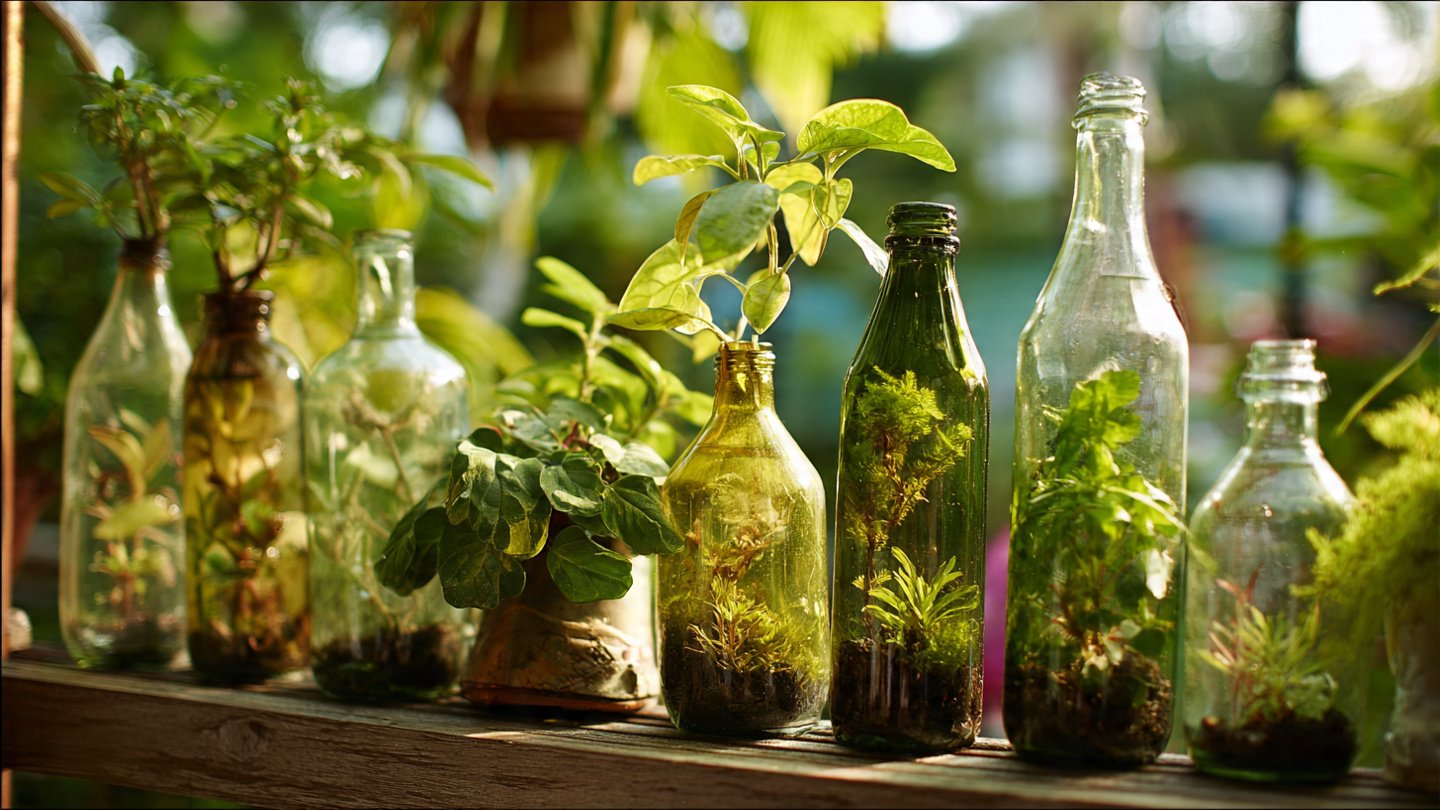
Gardening is a fulfilling hobby that allows people to connect with nature, improve their surroundings, and enjoy the beauty of plants. However, not everyone has access to a backyard or large outdoor space. For those living in apartments, dorm rooms, or urban environments, bottle gardening—also known as terrarium gardening—offers a creative solution. Bottle gardens are self-contained ecosystems that allow plants to thrive in glass containers, offering both aesthetic appeal and the satisfaction of gardening on a small scale. Learning how to make a bottle garden is both fun and rewarding, requiring only a few materials, some patience, and an eye for creativity.
A bottle garden begins with selecting the right container. Glass containers of various shapes and sizes can serve as the home for your miniature ecosystem. Clear glass bottles, jars, vases, or even old wine bottles allow light to reach the plants while showcasing the layered design. The choice of container impacts both the style and function of the garden. Taller bottles are ideal for plants with upright growth, while wide-mouthed jars are better suited for spreading or trailing plants. Using recycled bottles also adds an element of sustainability to the project.
Next, consider the type of plants suitable for a bottle garden. Because the space is limited, choosing small, slow-growing species is essential. Succulents, cacti, mosses, ferns, and air plants are common choices due to their low maintenance and ability to thrive in confined spaces. Succulents and cacti require minimal water, making them ideal for closed or semi-closed bottle gardens. Mosses and ferns, on the other hand, prefer higher humidity, which makes fully enclosed bottles perfect for creating a mini greenhouse effect. Selecting compatible plant species ensures that all components of the bottle garden thrive together.
Drainage is a critical consideration in bottle gardening. Unlike traditional gardens, water cannot easily drain from a closed container, which can lead to root rot. To prevent this, start by adding a layer of small rocks or pebbles at the bottom of the bottle. This layer serves as a drainage base, separating excess water from the roots. Activated charcoal, placed above the pebbles, helps absorb impurities and prevents unpleasant odors. The charcoal also maintains a healthy environment for the plants by reducing bacteria growth.
The next layer is soil, which should be appropriate for the type of plants you’ve chosen. Succulents and cacti require a sandy, well-draining mix, while ferns and mosses benefit from a more organic, moisture-retaining substrate. Carefully add the soil, creating enough depth to accommodate the plant roots. Avoid compacting the soil too much, as loose soil allows better aeration and encourages healthy root development. Layering the substrate creatively can also enhance the visual appeal of the bottle garden, allowing you to experiment with contrasting colors and textures.
Planting within the bottle requires patience and the right tools. Long tweezers, chopsticks, or wooden sticks help position plants in narrow containers without damaging delicate roots or leaves. Begin by placing the largest plants first, followed by smaller or trailing species. Consider the arrangement carefully, ensuring each plant has space to grow and access to light. Positioning plants in visually appealing groupings enhances the overall design and mimics natural landscapes on a miniature scale.
Watering is a delicate aspect of bottle gardening. The closed environment of a bottle garden creates its own microclimate, allowing water to cycle naturally. Condensation collects on the glass and eventually returns to the soil, creating a self-sustaining system. However, initial watering must be carefully controlled. Overwatering can cause mold and rot, while underwatering can stress the plants. Use a small funnel or a dropper to deliver water directly to the soil rather than the plants, ensuring proper hydration without excess moisture.
Light is another essential factor. Bottle gardens need adequate light to support photosynthesis, but direct sunlight can overheat the glass container, scorching leaves and damaging roots. Bright, indirect light is ideal for most plants, such as placing the bottle near a north or east-facing window. Artificial lighting with grow lamps can supplement natural light, especially in spaces with limited sunlight. Observing plant response helps determine if adjustments are necessary—yellowing leaves may indicate insufficient light, while bleached foliage may signal too much direct sunlight.
Creating a bottle garden also offers opportunities for creativity and personalization. Decorative elements such as small stones, shells, figurines, or moss patterns add aesthetic value and make the garden unique. Layering colored sand, gravel, or pebbles creates visual interest while enhancing drainage and stability. Miniature garden accessories can turn the bottle into a whimsical landscape, a beach scene, or even a fantasy environment, making the garden both functional and artistic.
Maintenance of a bottle garden is minimal compared to traditional gardening but still important. Monitor for signs of mold, pests, or plant stress. Remove dead leaves promptly to prevent decay from spreading. Occasionally open closed bottle gardens to allow fresh air exchange if condensation builds excessively. Fertilization is usually minimal; small amounts of liquid fertilizer diluted to half strength can support growth without overwhelming the plants. Regular observation and small interventions keep the ecosystem balanced and vibrant.
Bottle gardens also provide educational benefits. They offer a hands-on way to learn about plant biology, ecosystems, and water cycles. Watching how water evaporates, condenses, and returns to the soil demonstrates natural processes in miniature. Children and adults alike can gain insights into plant care, observation skills, and ecological principles through bottle gardening, making it both an artistic and educational hobby.
Another advantage of bottle gardening is its adaptability to different spaces. Small apartments, offices, dorm rooms, or urban balconies can accommodate bottle gardens, bringing greenery into otherwise limited environments. They are portable, easy to move for light optimization, and serve as natural decor that enhances air quality and provides a calming visual presence. Multiple bottles can be grouped together for a mini indoor garden or displayed individually as statement pieces.
Bottle gardens also encourage sustainable practices. Using recycled bottles, repurposing materials, and growing plants indoors reduce the need for commercial landscaping or plastic pots. Plants grown in self-contained systems often require less water than traditional gardens, making bottle gardens an eco-friendly alternative. Additionally, they promote mindfulness and reduce waste by transforming simple glass containers into thriving green spaces.
While bottle gardening is forgiving, there are challenges to consider. Overcrowding plants, overwatering, or placing the bottle in unsuitable light conditions can lead to poor growth or plant death. Selecting slow-growing species and regularly monitoring the environment reduces these risks. Experimenting with different plant combinations, container shapes, and decorative layers allows gardeners to refine their skills over time while achieving aesthetically pleasing results.
Seasonal care is also important. During colder months, indoor bottle gardens may require supplemental lighting or slight adjustments in watering. Some plants enter dormancy or slow growth during winter, requiring less water and maintenance. Conversely, in warmer months, increased light and higher humidity may accelerate growth and necessitate additional pruning or ventilation. Understanding seasonal plant needs ensures the bottle garden remains healthy year-round.
Bottle gardens can also serve as unique gifts and personal projects. Their visual appeal, coupled with the joy of nurturing living plants, makes them excellent presents for friends, family, or colleagues. Customizing the garden for the recipient with favorite colors, miniature figurines, or plant types adds a thoughtful touch and transforms the bottle garden into a living work of art.
In conclusion, making a bottle garden is a creative and rewarding approach to gardening in small spaces. By carefully selecting containers, compatible plant species, and appropriate soil and decorative layers, gardeners can create self-contained ecosystems that thrive indoors or in limited outdoor areas. Proper watering, lighting, and maintenance ensure plant health, while creative design elements enhance aesthetic appeal. Bottle gardening offers numerous benefits, from sustainability and portability to educational opportunities and stress relief. Whether for personal enjoyment, decoration, or a gift, a bottle garden transforms ordinary glass containers into miniature worlds of green, demonstrating that even in the smallest spaces, the beauty and satisfaction of gardening can flourish.