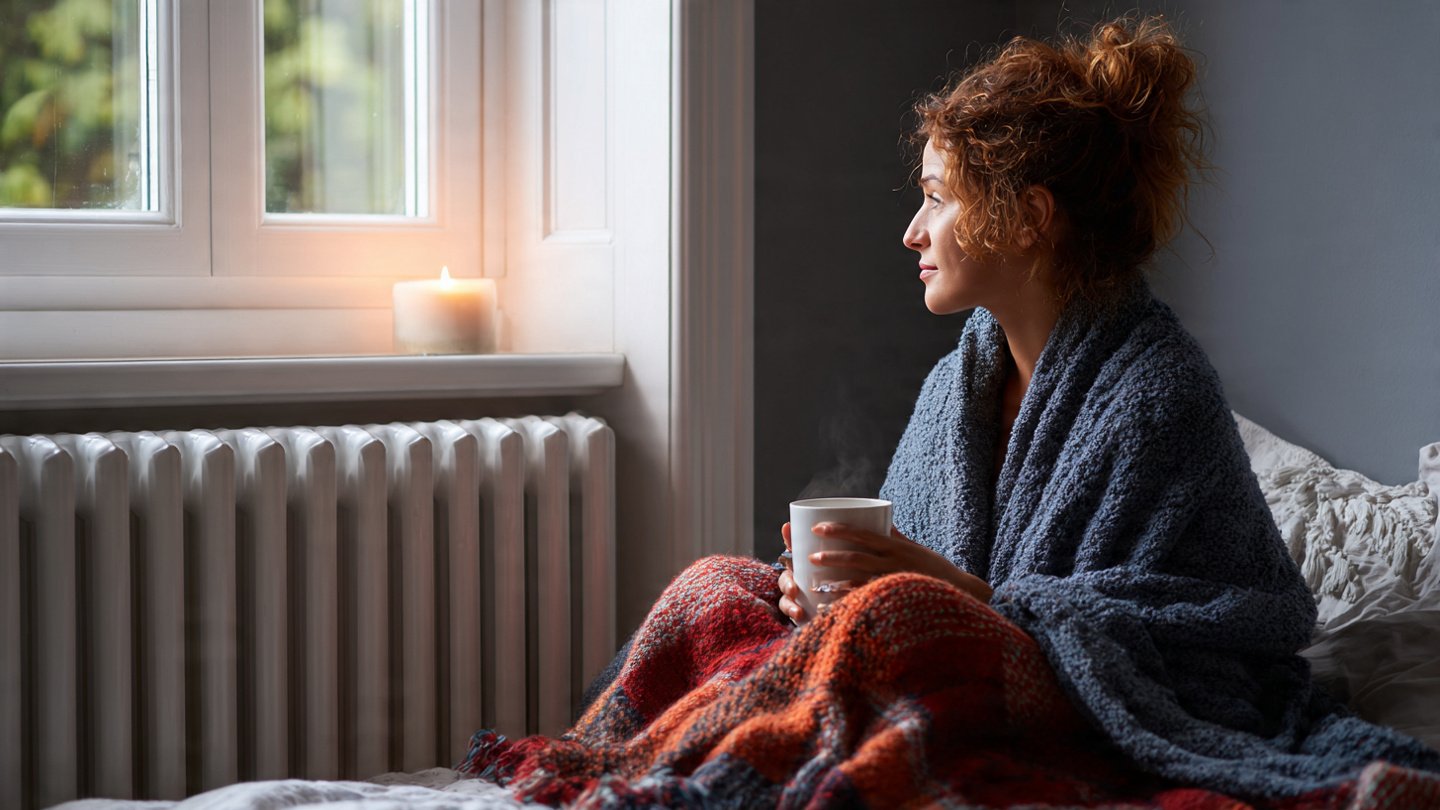
Many homeowners have experienced the frustration of cranking up the thermostat, wrapping themselves in blankets, and still feeling chilly inside their own home. It’s a situation that can be both uncomfortable and confusing. Why does the heat seem ineffective, and what can you do about it? Experts say this common problem often stems from a combination of factors, including poor insulation, uneven heating systems, and even personal health considerations. Understanding the root causes can help you stay warm, reduce energy bills, and improve the overall comfort of your home.
Poor Insulation: The Hidden Heat Thief
One of the most common reasons your home feels cold despite running the heater is poor insulation. Insulation serves as a barrier, keeping warm air inside during winter and blocking heat from entering in summer. Without proper insulation, heat escapes through walls, ceilings, and floors faster than your heating system can replace it.
Experts suggest checking common problem areas such as:
- Attics and roofs: Heat rises, and poorly insulated attics can lead to significant heat loss. Adding insulation in the attic can drastically improve warmth.
- Walls: Older homes often lack sufficient wall insulation. Spray foam or blown-in insulation can make a noticeable difference.
- Windows and doors: Drafts around windows and doors allow cold air to enter and warm air to escape. Weatherstripping, caulking, or installing energy-efficient double-pane windows can help.
Even if your heating system is functioning perfectly, inadequate insulation can make the home feel chilly and lead to higher energy bills as the system works harder to maintain temperature.
Uneven Heating Systems
Another reason for persistent cold spots in the home is uneven heating systems. Central heating systems, space heaters, or radiators can sometimes fail to distribute heat evenly, leaving certain rooms colder than others. Factors contributing to this include:
- Blocked vents or registers: Furniture or curtains can obstruct airflow, preventing heat from reaching the entire room.
- Duct issues: Leaky or poorly designed ductwork can result in uneven heating. Warm air may never reach certain rooms, or the system may lose efficiency along the way.
- Thermostat placement: Thermostats located near drafts, windows, or direct sunlight can misread the temperature, causing the system to shut off prematurely.
Homeowners often assume the system is underpowered, but in many cases, addressing airflow and thermostat placement can resolve the problem without major upgrades.
Single-Pane Windows and Drafts
Cold air often sneaks in through single-pane windows and gaps around window frames. Unlike modern double- or triple-pane windows, single-pane glass offers minimal insulation. During winter, this can lead to icy cold drafts and condensation, making the surrounding room noticeably colder.
Temporary solutions include:
- Window insulation kits: Clear plastic films can create a barrier and reduce drafts.
- Thermal curtains: Heavy curtains with insulating liners help trap heat inside the room.
- Caulking and weatherstripping: Sealing gaps around frames prevents cold air from entering.
For a long-term solution, many experts recommend upgrading to energy-efficient windows with low-emissivity (low-E) coatings to reduce heat loss.
High Ceilings and Large Rooms
Homes with high ceilings or expansive rooms often feel colder because warm air rises, leaving the lower living area less heated. Standard heating systems may struggle to maintain a comfortable temperature in these spaces, especially if airflow is limited.
To counteract this:
- Ceiling fans: Running fans on a low, clockwise setting pushes warm air back down without creating a draft.
- Zoned heating: Installing a zoned heating system allows different rooms or levels to be heated independently, improving comfort.
- Supplemental heaters: Space heaters or baseboard heaters in specific cold spots can help balance temperature.
These measures ensure heat reaches living areas more effectively without needing to raise the thermostat excessively.
Humidity Levels Affect Perception of Warmth
Another often-overlooked factor is indoor humidity. Dry air makes rooms feel colder than they are, while humid air feels warmer. Winter air tends to be dry, and heating systems can further reduce humidity levels, making your home feel uncomfortably chilly even when the thermostat is set high.
Experts recommend:
- Humidifiers: Adding moisture to the air can make the temperature feel warmer without increasing energy use.
- Houseplants: Certain indoor plants naturally raise humidity levels.
- Ventilation balance: Avoid excessive venting of heated air if it reduces indoor humidity drastically.
Maintaining indoor humidity between 30% and 50% can significantly improve perceived warmth and comfort.
Personal Health and Metabolism
Sometimes, the reason you feel cold isn’t entirely about your home—it can be about your own body. Individual factors like metabolism, thyroid function, circulation, and even age influence how warm you feel. For example:
- Thyroid issues: Hypothyroidism can make individuals feel unusually cold.
- Poor circulation: Cold hands and feet can make a person feel chilly even in a warm room.
- Age and gender differences: Older adults and women may feel colder due to natural physiological differences.
If your home seems comfortable to others but you still feel cold, consulting a healthcare professional may help identify underlying issues. Simple lifestyle changes like layering clothing, wearing warm socks, or using heated blankets can improve personal comfort.
Energy-Efficiency and Heating System Maintenance
Even with proper insulation and airflow, a poorly maintained heating system can leave your home cold. Common issues include:
- Dirty filters: Clogged filters restrict airflow, reducing efficiency.
- Malfunctioning components: Fans, burners, or pumps may fail to operate at full capacity.
- Old systems: Aging furnaces or boilers may struggle to meet the demands of modern homes.
Regular maintenance, including filter replacement, system inspections, and professional servicing, can restore efficiency and reduce the feeling of cold spots. Upgrading to a modern, energy-efficient system may also provide long-term savings and better comfort.
Supplemental Heating Solutions
If your home still feels cold despite addressing the above factors, supplemental heating solutions can help:
- Electric space heaters: Ideal for warming individual rooms without heating the entire house.
- Infrared heaters: Provide direct warmth to people and objects, making rooms feel cozier.
- Portable heated blankets or mattress pads: Improve personal warmth without affecting overall energy consumption.
These solutions offer flexibility, allowing you to stay warm without drastically increasing heating costs.
Small Changes That Make a Big Difference
Sometimes, the simplest changes can make a significant impact on perceived warmth:
- Layered clothing: Wearing layers traps body heat effectively.
- Rugs and carpets: Hard floors can feel cold; area rugs add insulation and comfort.
- Curtain management: Open curtains during the day to let sunlight warm the room and close them at night to trap heat.
- Sealing drafts: Even small cracks around doors, baseboards, and electrical outlets can let cold air in.
By combining these small adjustments with system and home improvements, you can make your living space warmer and more energy-efficient.
When to Call the Experts
If you’ve tried insulation, maintenance, supplemental heating, and personal adjustments but still feel cold, it may be time to consult a professional. HVAC specialists can perform a home energy audit, check for duct leaks, and recommend heating solutions tailored to your home’s layout and climate. Likewise, contractors can evaluate insulation, windows, and draft-proofing needs.
Home energy experts often suggest a combination of upgrades and behavioral changes to maximize comfort while minimizing energy waste. Their assessments can uncover hidden issues, such as unseen air leaks or outdated systems, that ordinary homeowners might overlook.
Conclusion
Feeling cold at home despite turning up the heat is a common problem that can stem from multiple factors, including poor insulation, uneven heating systems, low humidity, high ceilings, and even personal health considerations. Addressing these issues involves a combination of home improvements, heating system maintenance, and practical lifestyle adjustments.
By improving insulation, sealing drafts, balancing airflow, and maintaining your heating system, you can reduce energy loss and make your home feel warmer. Supplemental heating, proper humidity, and small everyday changes—like rugs and layered clothing—further enhance comfort.
Understanding that cold is not always just about the thermostat is the first step in solving this frustrating problem. With expert guidance and thoughtful solutions, you can transform your home into a cozy, energy-efficient space where turning up the heat isn’t a necessity for staying warm.
A warm, comfortable home is achievable, even in the coldest months, as long as you identify the root causes and take action to address them systematically. No one should have to live shivering indoors—understanding the science behind indoor warmth ensures that your home becomes a haven of comfort, not a constant battle with the thermostat.