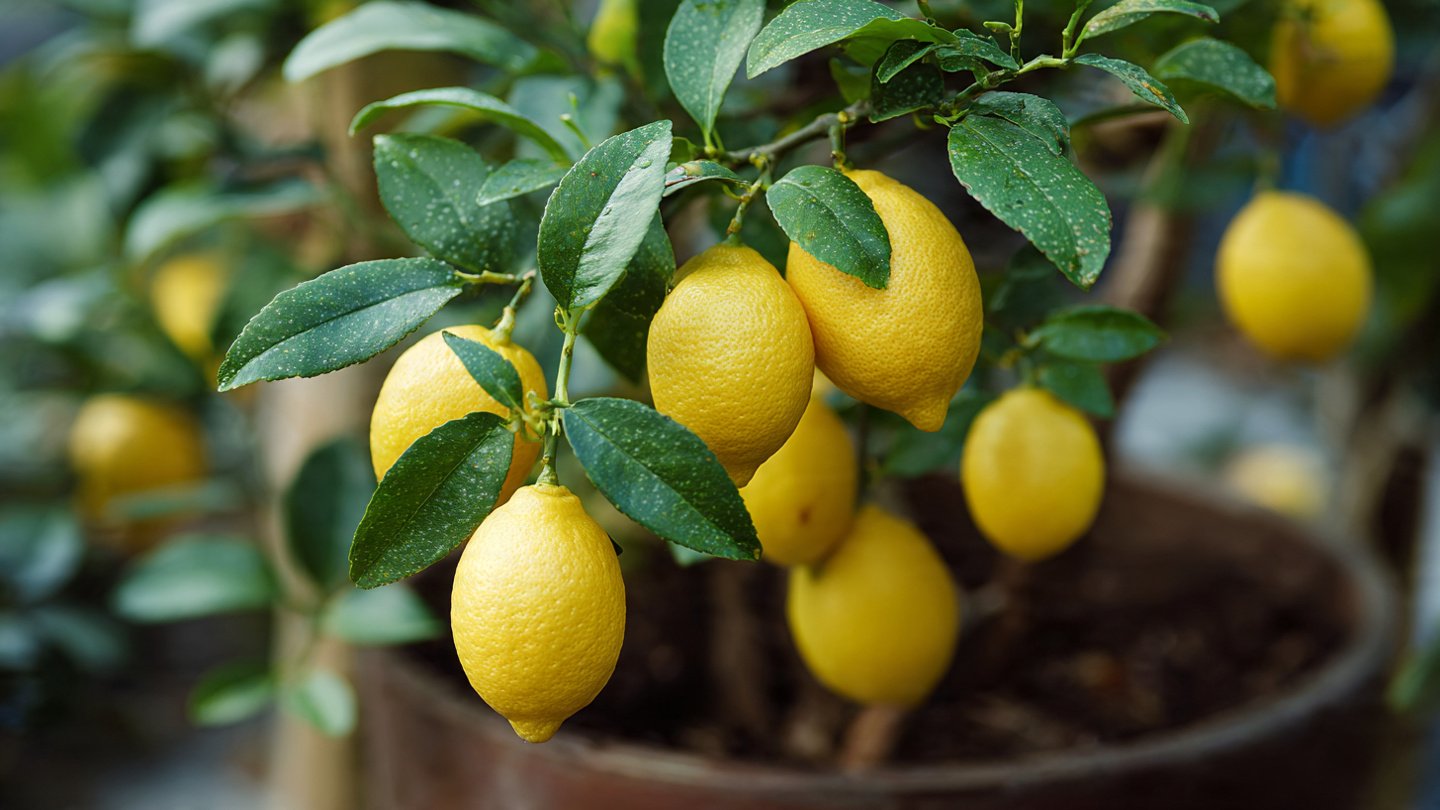
Lemon trees are prized for their bright, tangy fruit, refreshing aroma, and aesthetic appeal. They’re a staple in kitchens for cooking, baking, and beverages, and having a fresh lemon at hand is a gardener’s delight. While many people purchase young trees from nurseries, growing a lemon tree from seeds is a rewarding and beginner-friendly option. With patience, care, and the right techniques, you can cultivate a healthy lemon tree that eventually produces juicy, homegrown lemons. This guide provides a step-by-step approach to growing lemon trees from seeds, offering tips for germination, planting, care, and eventual harvesting.
Why Grow a Lemon Tree from Seeds?
Growing a lemon tree from seeds has several advantages:
- Educational and Fun: Watching a tiny seed grow into a thriving tree is a rewarding experience, especially for beginners and children.
- Cost-Effective: Seeds are inexpensive compared to buying saplings or grafted trees.
- Satisfaction: There’s a unique sense of achievement in harvesting fruit from a tree you nurtured from scratch.
- Control Over Growth: Starting from seeds allows you to choose soil, location, and care routines tailored to your environment.
While growing from seeds requires patience—lemons may take 3–5 years to produce fruit—the process is simple and enjoyable for home gardeners.
Materials Needed
Before starting, gather the following items:
- Fresh lemons (organic is preferred to avoid treated seeds)
- Small bowls and water
- Paper towels or a seed-starting tray
- Seedling pots or containers with drainage holes
- Potting soil or a well-draining soil mix
- Fertilizer (optional for later growth stages)
- Sunny location or grow lights
Step 1: Extracting Lemon Seeds
Begin by selecting healthy, ripe lemons. Organic lemons are best, as seeds from conventional lemons may be treated with chemicals that prevent germination.
- Cut the Lemon: Slice the lemon open and remove seeds carefully.
- Clean the Seeds: Rinse seeds under lukewarm water to remove any pulp or juice, which can promote mold growth.
- Optional Scarification: Gently nick the seed coat or rub lightly with sandpaper to improve germination rates. Be careful not to damage the embryo inside.
Step 2: Germinating Lemon Seeds
Germination is the process where the seed begins to sprout. There are two main methods:
- Paper Towel Method:
- Moisten a paper towel with water and place seeds inside.
- Fold the towel over the seeds and place it in a warm, dark location.
- Keep the towel damp, checking daily. Seeds usually germinate in 2–4 weeks.
- Soil Method:
- Fill small pots with moist, well-draining potting soil.
- Plant seeds about ½ inch deep and cover lightly with soil.
- Water gently and place in a warm, sunny spot.
- Maintain consistent moisture until seedlings emerge.
Seeds are delicate during germination, so avoid letting them dry out. Once sprouts appear, it’s time to move them to proper growing conditions.
Step 3: Transplanting Seedlings
Once seedlings develop 2–4 true leaves, they are ready to be transplanted:
- Prepare a larger container with well-draining soil. A mix of potting soil, sand, and compost works well.
- Dig a small hole and gently transfer the seedling, keeping the root intact.
- Water lightly and place in indirect sunlight initially to prevent transplant shock.
- Gradually introduce the seedling to more direct sunlight over a week or two.
Transplanting at the right stage ensures strong root development and a healthy tree.
Step 4: Choosing the Right Location
Lemon trees thrive in bright sunlight and well-draining soil:
- Indoors: Place near a south-facing window or under grow lights for 10–12 hours of light per day.
- Outdoors: If the climate is warm and frost-free, plant in a sunny garden spot with 6–8 hours of direct sunlight daily.
Good sunlight is essential for photosynthesis, strong growth, and eventual fruit production.
Step 5: Watering and Soil Care
Lemon trees require consistent but moderate moisture:
- Watering: Keep the soil slightly moist but not waterlogged. Overwatering can lead to root rot.
- Soil: Well-draining soil prevents water accumulation and ensures roots remain healthy. Adding compost provides nutrients for young trees.
- Mulching: Apply a thin layer of mulch to conserve moisture and regulate soil temperature.
As seedlings mature, adjust watering according to tree size and environmental conditions.
Step 6: Fertilizing Lemon Trees
Young lemon seedlings benefit from light fertilization once they develop several sets of leaves:
- Use a balanced, slow-release fertilizer or a citrus-specific fertilizer.
- Apply according to package instructions, usually every 4–6 weeks during the growing season.
- Avoid over-fertilizing, which can burn roots and hinder growth.
Proper nutrition supports strong stem development, robust foliage, and eventual fruiting.
Step 7: Pruning and Maintenance
Pruning encourages bushy growth and better fruit production:
- Remove any weak, damaged, or overcrowded branches.
- Pinch the tips of young shoots to promote lateral branching.
- Maintain a manageable tree height, especially if grown in containers.
Regular pruning improves air circulation and reduces the risk of pests and fungal diseases.
Step 8: Pollination
Indoor lemon trees may require hand-pollination since natural pollinators like bees may not reach them:
- Use a small brush or cotton swab to transfer pollen from male flowers to female flowers.
- Gently rotate this process every few days during flowering for better fruit set.
Pollination is critical to ensure successful fruit development on container-grown or indoor trees.
Step 9: Patience and Growth Timeline
Lemon trees grown from seeds require patience:
- Seedlings grow slowly during the first year. Focus on building strong roots and foliage.
- Fruit may take 3–5 years to appear, depending on variety and growing conditions.
- Regular care, proper sunlight, and nutrient management will speed up healthy growth.
Patience is key, but the eventual reward of fresh lemons from your own seed-grown tree is worth the wait.
Step 10: Harvesting Lemons
Lemons are ready to harvest when they are fully yellow, firm, and slightly heavy for their size:
- Use scissors or garden shears to cut fruit from the branch, leaving a small stem attached.
- Avoid pulling, which can damage branches or cause leaves to break.
- Taste the first harvest and note the size and flavor for future growth improvements.
Homegrown lemons have superior flavor and aroma compared to store-bought fruit, with the added satisfaction of knowing they were nurtured from seed.
Tips for Success
- Temperature: Keep young trees in a warm environment. Lemon trees prefer 65–75°F (18–24°C).
- Humidity: Maintain moderate humidity, especially for indoor seedlings, to prevent leaf drop.
- Pests: Watch for aphids, spider mites, and scale insects. Natural remedies like neem oil or insecticidal soap work well.
- Container Choice: Use pots with good drainage to prevent waterlogging.
- Repotting: As the tree grows, repot into larger containers every 1–2 years to accommodate expanding roots.
Benefits of Growing Lemon Trees at Home
Growing lemons from seeds provides:
- Fresh, Organic Fruit: Control over chemicals and fertilizers.
- Aesthetic Appeal: Lemon trees are beautiful, fragrant, and decorative.
- Nutritional Value: Fresh lemons are rich in vitamin C, antioxidants, and minerals.
- Sustainability: Seed-grown trees promote eco-friendly gardening practices.
- Personal Satisfaction: Watching a seed grow into a fruiting tree is deeply rewarding.
Conclusion
Growing a lemon tree from seeds is a fulfilling project for beginners and seasoned gardeners alike. By following this complete guide, you can cultivate a healthy, productive tree that provides fresh, flavorful lemons for years to come. Patience, proper care, and attention to sunlight, water, and nutrients are the keys to success.
Seed-grown lemon trees offer a cost-effective, eco-friendly, and highly rewarding alternative to nursery-bought saplings. With dedication, you can enjoy the bright, tangy flavor of homegrown lemons while experiencing the satisfaction of nurturing a seed into a thriving fruit tree.
Whether for culinary use, refreshing beverages, or ornamental value, a lemon tree grown from seeds brings beauty, flavor, and nutrition into your home garden. Starting small today could lead to a lush, fruitful tree that provides fresh lemons for years—truly a rewarding journey for any home gardener.