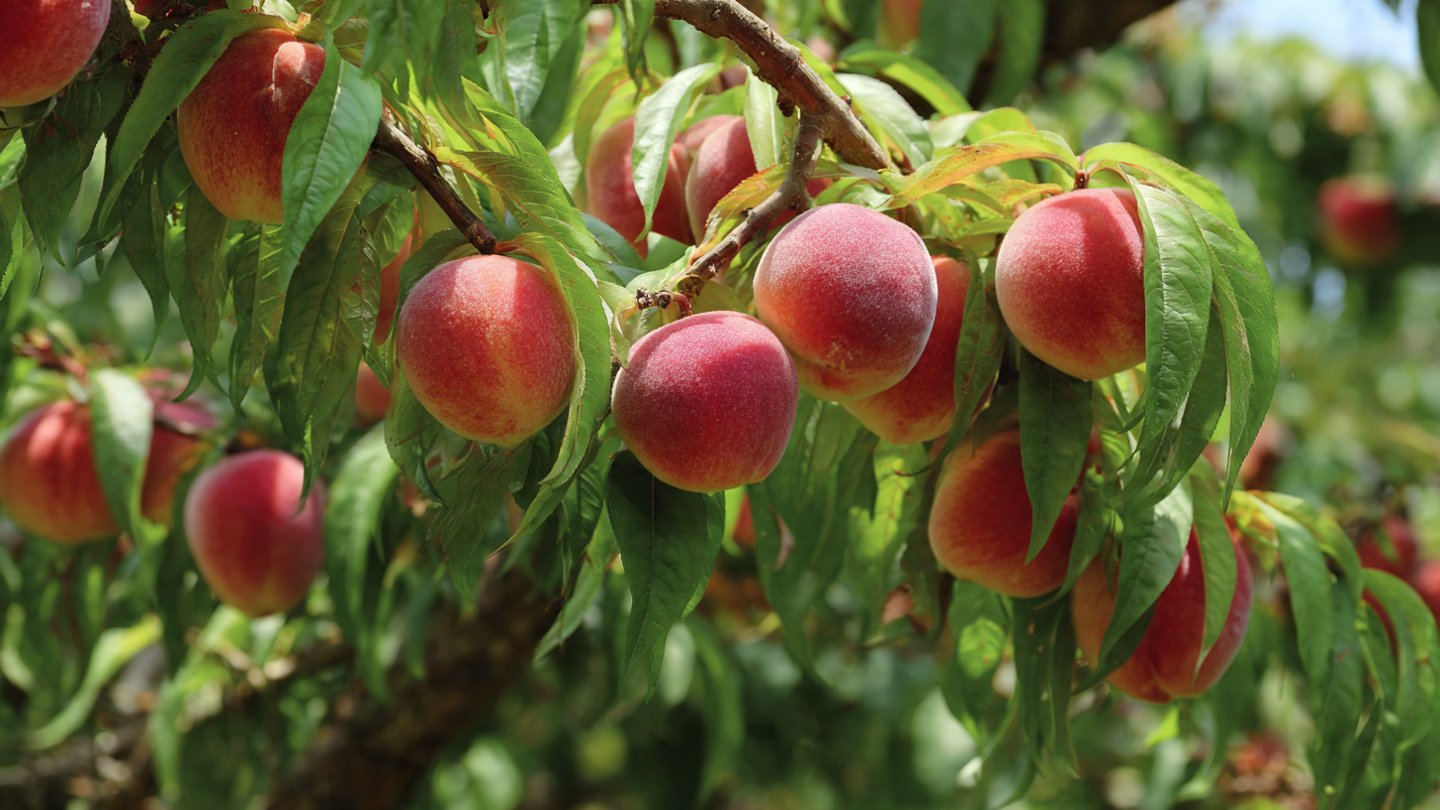
There’s something magical about growing your own fruit. Watching a tiny sapling develop into a tree that bears sweet, juicy peaches is both rewarding and practical. Backyard peach trees not only enhance your landscape but also provide fresh fruit free from chemicals. However, growing a peach tree for optimal fruit production requires knowledge, patience, and consistent care. In this guide, we’ll walk through everything from selecting the right variety to harvesting techniques, so your peach tree thrives season after season.
Choosing the Right Peach Tree Variety
The first step in a successful backyard peach tree is selecting the right variety. Peach trees come in three main types: clingstone, freestone, and semi-freestone.
- Clingstone peaches have flesh that sticks to the pit, making them ideal for canning or processing.
- Freestone peaches have pits that separate easily from the flesh, perfect for fresh eating.
- Semi-freestone peaches are a hybrid, offering characteristics of both types.
When choosing a variety, also consider your climate. Most peach trees require a certain number of chilling hours—cold hours below 45°F (7°C) during winter—to break dormancy and flower properly. Check local recommendations to select a variety suited to your region’s winters and growing season.
Selecting the Right Location
Peach trees thrive in locations with full sun exposure. Aim for at least 6-8 hours of direct sunlight per day. Sunlight encourages photosynthesis, flower production, and fruit ripening.
Soil is equally important. Peach trees prefer well-draining sandy or loamy soil with a slightly acidic to neutral pH (6.0–7.0). Avoid low-lying areas where water tends to pool, as peach roots are sensitive to standing water. If your soil is clay-heavy, consider raised beds or amend the soil with compost and sand to improve drainage.
Planting Your Peach Tree
Timing is critical for planting. In most regions, late winter or early spring—when the tree is dormant—is ideal. Here’s a step-by-step planting process:
- Dig a Hole: Make it twice as wide and as deep as the root ball.
- Prepare the Roots: Trim any damaged roots and soak the tree in water for a few hours before planting.
- Position the Tree: Place it in the hole, making sure the graft union (if present) is a few inches above soil level.
- Backfill: Fill the hole with soil, gently tamping down to remove air pockets.
- Water Thoroughly: Ensure the soil is evenly moist but not waterlogged.
Once planted, add a 2–3 inch layer of mulch around the base to retain moisture, suppress weeds, and moderate soil temperature. Keep mulch a few inches away from the trunk to prevent rot.
Pruning for Health and Fruit Production
Proper pruning is essential for strong peach trees and optimal fruit yield. Peach trees produce fruit on one-year-old wood, meaning that new growth each season is vital.
- Initial Pruning: Shape the tree into an open-center or vase shape during its first few years. This encourages airflow, sunlight penetration, and easier harvesting.
- Annual Pruning: Each winter, remove dead, diseased, or crossing branches. Thin out crowded areas to prevent fungal diseases and improve light exposure.
- Summer Pruning: Light summer pruning can help control size and redirect energy to fruit production.
Pruning not only shapes the tree but also boosts fruit size and quality by focusing the tree’s energy on fewer, stronger branches.
Fertilization for Optimal Growth
Peach trees are heavy feeders and benefit from balanced fertilization. Apply a fertilizer rich in nitrogen, phosphorus, and potassium in early spring before bud break. Follow up with light applications throughout the growing season, but avoid over-fertilizing, which can promote excessive leaf growth at the expense of fruit.
Organic options such as composted manure, bone meal, or seaweed extract can also be effective and improve soil health over time. Regular soil testing helps you tailor fertilization to your specific soil conditions.
Watering and Irrigation
Consistent watering is critical for peach tree health and fruit development. Young trees need deep, weekly watering to establish roots. Mature trees require less frequent but thorough watering, especially during dry spells or when fruit is developing.
Avoid overwatering, which can lead to root rot or fungal diseases. Drip irrigation or soaker hoses are ideal, as they deliver water directly to the root zone while keeping foliage dry. Proper irrigation also helps prevent fruit splitting, a common problem when water levels fluctuate dramatically.
Pest and Disease Management
Peach trees are susceptible to pests and diseases, including peach tree borers, aphids, scale insects, and fungal infections such as peach leaf curl. While chemical pesticides can be used, many gardeners prefer organic or integrated pest management techniques:
- Preventative Measures: Plant disease-resistant varieties, prune for airflow, and keep the area clean of fallen leaves and fruit.
- Beneficial Insects: Encourage ladybugs, lacewings, and predatory wasps that feed on harmful pests.
- Natural Remedies: Horticultural oils, neem oil, and sulfur sprays can manage pests and fungal infections without harsh chemicals.
Monitoring your peach tree regularly allows early detection and treatment before infestations or diseases become severe.
Pollination Considerations
Most peach trees are self-pollinating, meaning a single tree can produce fruit. However, planting more than one variety can improve fruit set and yield. Bees and other pollinators are critical for peach pollination, so avoiding broad-spectrum pesticides and providing flowering plants nearby can enhance pollination success.
Harvesting Your Peaches
Timing your harvest correctly is crucial for flavor and texture. Peaches do not continue to ripen significantly after picking, so it’s best to wait until they are fully colored, slightly soft, and fragrant.
Handle fruit gently to avoid bruising. Pick peaches by twisting them off the branch rather than pulling, as pulling can damage stems and reduce future fruit production. Regular harvesting encourages the tree to continue producing more fruit throughout the season.
Maintaining Long-Term Productivity
To keep your backyard peach tree productive for years:
- Consistent Pruning: Maintain open-center shape and remove weak or dead branches annually.
- Soil Management: Continue amending soil with organic matter to maintain fertility.
- Pest Vigilance: Monitor for signs of pests and disease regularly.
- Proper Watering: Ensure steady moisture during growing and fruiting seasons.
- Rotation and Care: Avoid planting new peaches or plums too close to old trees to reduce disease risk.
Peach trees typically produce for 12–15 years, sometimes longer with careful care. With the right management, backyard peach trees can be a long-term source of delicious fruit.
Enjoying the Fruits of Your Labor
There is nothing quite like tasting a peach plucked fresh from your own tree. Beyond fresh eating, homegrown peaches can be used for jams, pies, preserves, smoothies, and even drying. Growing your own tree ensures you enjoy fruit free from pesticides and chemicals, contributing to a healthier lifestyle.
The joy of growing peaches extends beyond consumption. Watching a tree develop year after year, overcoming seasonal challenges, and producing abundant harvests is deeply satisfying. It connects you to the rhythms of nature and the rewards of patient care.
Conclusion
Growing a backyard peach tree is both a science and an art. By selecting the right variety, providing proper sunlight and soil conditions, pruning strategically, fertilizing wisely, watering consistently, and managing pests naturally, you can achieve optimal fruit production. While challenges like pests, diseases, and unpredictable weather can arise, the rewards of harvesting fresh, juicy peaches from your own garden far outweigh the effort.
With patience, observation, and consistent care, your backyard peach tree can thrive and provide delicious, homegrown fruit for years to come. Whether enjoyed fresh, canned, or baked into a pie, there’s a unique satisfaction in tasting the results of your dedicated care. A little effort each season ensures a productive and healthy tree, creating both a beautiful garden feature and a sustainable food source for your family.