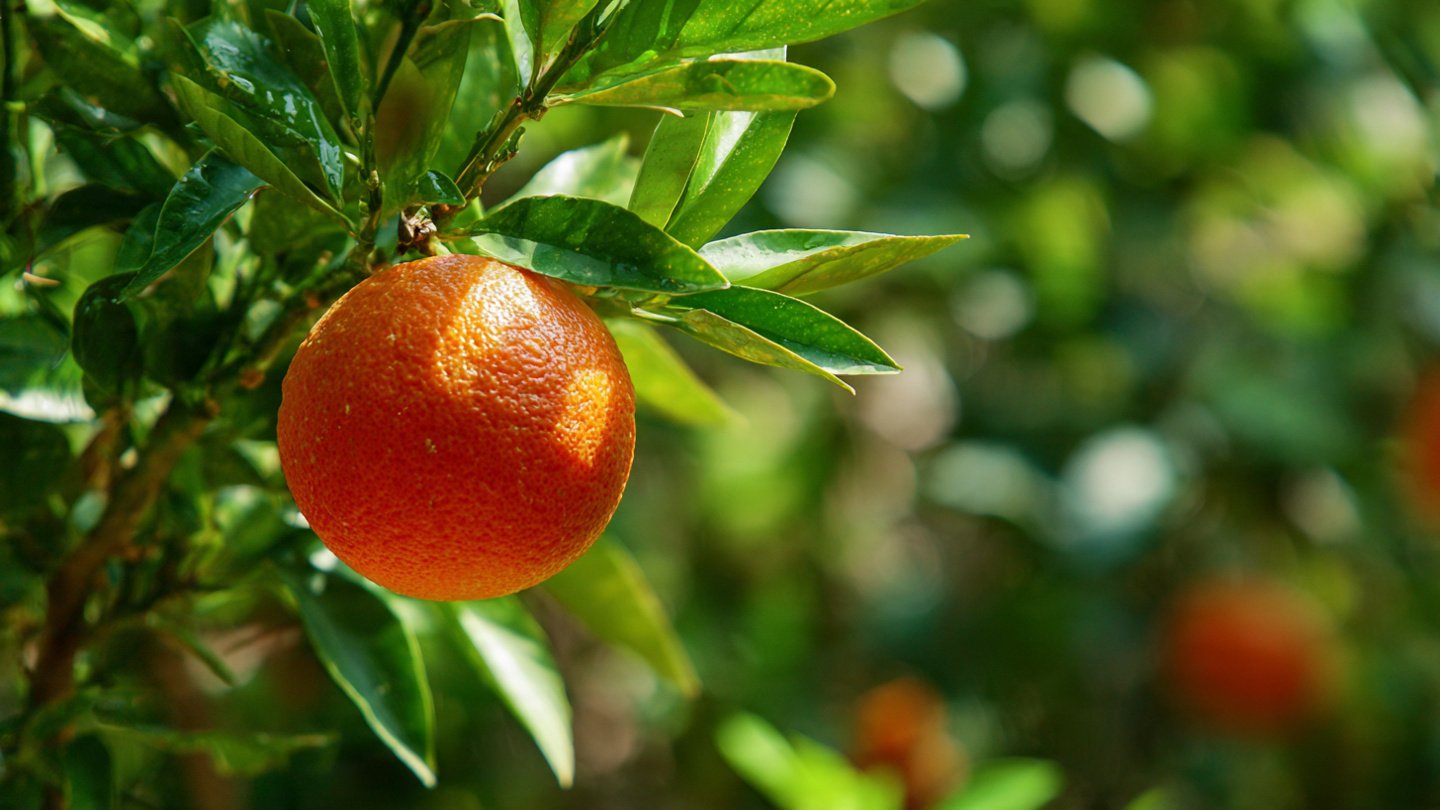
Growing an orange tree from a fresh orange is a fascinating and rewarding process that allows gardeners to witness the entire life cycle of a fruit tree, starting from a single seed. While it requires patience and consistent care, the journey from fruit to tree offers a deeper connection to nature and a greater appreciation for how food is grown. Whether you are an experienced gardener or a beginner with curiosity and enthusiasm, this guide provides a complete, step-by-step explanation of how to successfully grow an orange tree from a fresh orange at home.
Understanding Orange Tree Growth
Orange trees are evergreen citrus trees that thrive in warm, sunny climates. When grown from seed, they develop more slowly than grafted nursery trees, but they are often stronger and better adapted to their growing environment. It is important to understand that orange trees grown from seed may take several years to flower and produce fruit, and the fruit may not be identical to the parent orange. Despite this, growing an orange tree from seed is an excellent learning experience and can result in a healthy, attractive tree.
Orange trees require sunlight, well-draining soil, consistent watering, and protection from extreme temperatures. When these needs are met, they can be grown successfully indoors, on patios, or outdoors in suitable climates.
Selecting the Right Orange
The first step in growing an orange tree from seed is choosing the right fruit. Select a fresh, ripe orange that is free from mold, bruises, or signs of decay. Oranges grown organically are often the best choice, as they are less likely to have been treated with chemicals that inhibit seed germination.
Seedless oranges are not suitable for this method, so choose a variety that contains visible seeds. Once you have selected the orange, cut it open carefully and remove the seeds without damaging them.
Preparing the Seeds
After removing the seeds from the orange, rinse them thoroughly under clean water to remove all traces of pulp and sugar. Residual fruit material can encourage mold growth during germination, so this step is essential.
Once cleaned, allow the seeds to air-dry for a few hours, but do not let them dry completely. Orange seeds germinate best when they remain slightly moist. Some gardeners gently remove the outer seed coat to speed up germination, but this step is optional and should be done carefully to avoid damaging the inner seed.
Choosing Containers and Soil
Orange seeds can be started in small pots, seed trays, or recycled containers as long as they have drainage holes. Good drainage is critical to prevent waterlogged soil, which can cause seeds to rot.
Use a light, well-draining soil mix suitable for citrus or general container gardening. A mix of potting soil, sand, and compost works well. Avoid heavy garden soil, which can compact easily and restrict root growth.
Planting the Seeds
Plant the orange seeds about half an inch deep in the soil. Place one or two seeds per container to increase the chances of successful germination. Gently cover the seeds with soil and press lightly to ensure good contact.
Water the soil thoroughly after planting, allowing excess water to drain away. The soil should be moist but not soggy. Label the containers if you are planting multiple seeds, as germination can take several weeks.
Germination and Early Care
Orange seeds typically germinate within two to four weeks, although some may take longer. Place the containers in a warm location with indirect sunlight during this stage. Temperatures between 70 and 85 degrees Fahrenheit are ideal for germination.
Keep the soil consistently moist by watering lightly whenever the surface begins to dry. Avoid overwatering, as excessive moisture can cause fungal issues. Once seedlings emerge, gradually increase light exposure to help them grow strong and upright.
Providing Proper Light
As the seedlings grow, they will require more sunlight. Orange trees thrive in bright, direct light and need at least six to eight hours of sunlight per day. If growing indoors, place the seedlings near a sunny window or use grow lights to supplement natural light.
Rotate the containers regularly to ensure even growth and prevent the seedlings from leaning toward the light source. Proper lighting is essential for healthy leaf development and strong stems.
Watering and Moisture Management
Consistent watering is crucial during all stages of growth. Young orange trees prefer evenly moist soil, but they do not tolerate standing water. Allow the top inch of soil to dry slightly between waterings.
As the tree matures, reduce watering frequency while increasing the amount of water per session. This encourages deeper root growth and improves drought tolerance. Always adjust watering based on temperature, humidity, and container size.
Fertilizing Young Orange Trees
Orange seedlings benefit from light feeding once they have developed several sets of true leaves. Use a balanced, slow-release fertilizer or a diluted liquid fertilizer designed for citrus plants. Apply fertilizer sparingly, as overfeeding can damage young roots.
As the tree grows, regular fertilization during the active growing season supports healthy foliage and overall development. Stop fertilizing during periods of slow growth, such as winter, to avoid stressing the plant.
Transplanting and Repotting
When the seedling outgrows its initial container, it will need to be transplanted into a larger pot. Signs that it is ready include roots growing out of drainage holes or slowed growth despite proper care.
Choose a pot that is one to two sizes larger than the current container and fill it with fresh, well-draining soil. Carefully remove the seedling, keeping the root ball intact, and place it in the new pot at the same depth as before. Water thoroughly after transplanting.
Pruning and Shaping
Pruning helps shape the orange tree and encourages strong branching. Once the tree is well established, remove weak or damaged branches to improve airflow and structure. Light pruning also helps maintain a manageable size, especially for indoor or container-grown trees.
Avoid heavy pruning during the early stages, as young trees need their leaves to photosynthesize and build energy reserves.
Temperature and Climate Considerations
Orange trees prefer warm temperatures and are sensitive to frost. If grown outdoors, protect young trees from cold weather using covers or by bringing container-grown plants indoors during winter.
Indoor trees should be kept away from cold drafts, air conditioners, and heating vents. Maintaining a stable environment reduces stress and promotes steady growth.
Patience and Long-Term Care
Growing an orange tree from seed is a long-term commitment. It can take five to ten years for a seed-grown tree to produce fruit, and in some cases, it may be grown primarily as an ornamental plant.
Regular care, including proper watering, feeding, light management, and occasional pruning, ensures the tree remains healthy throughout its life. Even if fruit production takes time, the process of nurturing the tree offers satisfaction and valuable gardening experience.
Common Challenges and Solutions
Some common challenges include slow growth, yellowing leaves, and pest issues. Slow growth is often related to insufficient light or nutrients, while yellow leaves may indicate overwatering or nutrient deficiencies. Adjusting care routines usually resolves these problems.
Pests such as aphids or spider mites can be managed with gentle cleaning or organic treatments. Regular inspection helps catch issues early before they become serious.
Conclusion
Growing an orange tree from a fresh orange is a rewarding and educational experience that transforms a simple piece of fruit into a living, growing tree. While it requires patience, consistency, and care, the process allows gardeners to understand plant life at a deeper level and enjoy the satisfaction of nurturing a tree from seed.
By selecting healthy seeds, providing the right soil and light conditions, managing water and nutrients carefully, and offering long-term care, anyone can successfully grow an orange tree at home. Whether your goal is to one day harvest home-grown oranges or simply enjoy the beauty of a citrus tree, this journey from fruit to tree is both meaningful and fulfilling.