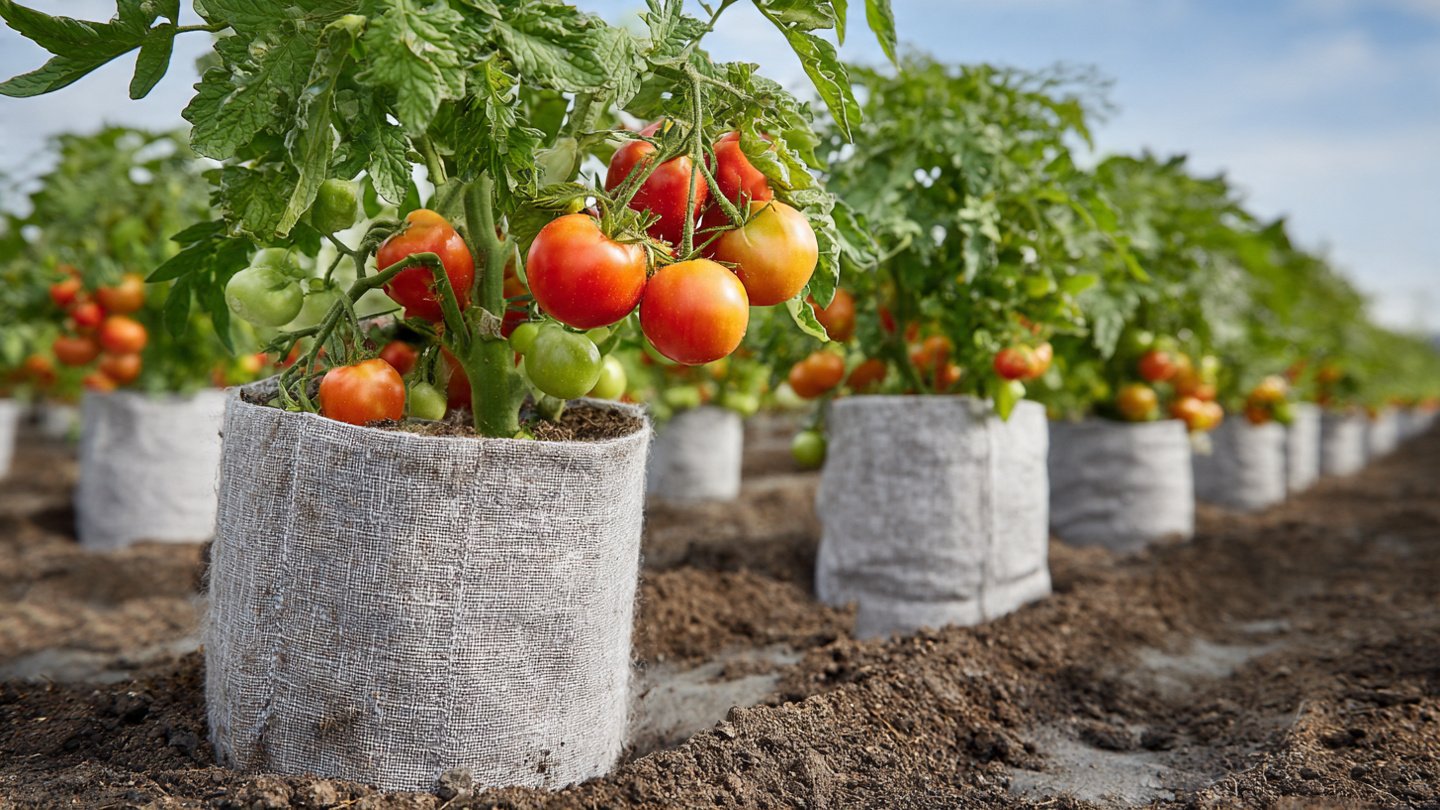
Growing tomatoes at home is one of the most rewarding gardening experiences, yet many people believe it requires a large garden, perfect soil, and years of experience. In reality, tomatoes are highly adaptable plants, and one of the easiest and most effective ways to grow them is in bags. This simple method is ideal for beginners, urban gardeners, and anyone looking to maximize harvests with minimal effort. Growing tomatoes in bags offers better control over soil quality, drainage, and plant health, often resulting in bigger harvests and more flavorful fruits.
Why Growing Tomatoes in Bags Works So Well
Tomato plants thrive when their roots receive proper drainage, consistent moisture, and nutrient-rich soil. Growing them in bags creates a controlled environment where these conditions are easier to maintain. Unlike garden beds, bags warm up faster, encouraging quicker root development and earlier growth. They also reduce the risk of soil-borne diseases, pests, and weeds that commonly affect tomatoes grown directly in the ground.
Another advantage is flexibility. Grow bags can be placed on balconies, patios, rooftops, or any sunny area, making them perfect for small spaces. They are lightweight, portable, and easy to manage, allowing gardeners to move plants as needed to optimize sunlight exposure or protect them from harsh weather.
Choosing the Right Bags for Tomato Growing
The success of growing tomatoes in bags starts with choosing the right container. Grow bags made from breathable fabric are the best option, as they promote air pruning of roots and prevent root circling. However, sturdy plastic bags, compost bags, or even repurposed feed bags can work well if drainage holes are added.
The ideal size for tomato grow bags is at least 10 to 15 gallons. Smaller bags can restrict root growth, leading to weaker plants and fewer fruits. Larger bags provide enough space for strong root systems, which directly supports healthier plants and higher yields. Make sure the bag is strong enough to hold wet soil without tearing.
Preparing the Perfect Soil Mix
Soil quality is one of the most important factors in tomato production. Since grow bags rely entirely on the soil you provide, using the right mix is essential. A loose, well-draining, and nutrient-rich soil blend produces the best results.
A simple and effective soil mix includes garden soil or topsoil, compost or well-rotted manure, and a drainage material such as sand, perlite, or coco peat. This combination ensures the soil retains moisture without becoming waterlogged, while also providing essential nutrients for plant growth.
Adding organic matter improves soil structure and feeds beneficial microorganisms that support root health. You can also mix in a slow-release organic fertilizer to provide a steady supply of nutrients throughout the growing season.
Selecting the Best Tomato Varieties for Bags
While most tomato varieties can grow in bags, some perform better than others. Determinate or bush varieties are particularly well-suited for bag growing because they stay compact and produce fruit over a shorter period. These varieties are ideal for small spaces and require less pruning.
Indeterminate varieties, which continue growing and producing fruit throughout the season, can also be grown in bags if the container is large enough and proper support is provided. These varieties often produce higher yields but require staking or trellising to keep plants upright and healthy.
Choosing disease-resistant varieties can further improve success, especially in warm or humid climates where fungal diseases are more common.
Planting Tomatoes in Bags the Right Way
Proper planting sets the foundation for strong growth and abundant harvests. Start by filling the bag with soil, leaving a few inches of space at the top to allow for watering. Water the soil lightly before planting to help it settle.
Tomato seedlings should be planted deeper than they were in their original container. Burying part of the stem encourages the development of additional roots, resulting in a stronger and more productive plant. Remove the lower leaves and place the seedling deep into the soil, then gently firm the soil around it.
After planting, water thoroughly to eliminate air pockets and help roots establish quickly. Place the bag in a location that receives at least six to eight hours of direct sunlight each day.
Watering for Maximum Tomato Production
Consistent watering is one of the most important aspects of growing tomatoes in bags. Because bags dry out faster than garden beds, plants may require more frequent watering, especially during hot weather. However, overwatering can be just as harmful as underwatering.
The goal is to keep the soil evenly moist, not soggy. Water deeply until excess water drains from the bottom of the bag. This encourages roots to grow downward and prevents shallow root systems. Mulching the surface with straw, dry leaves, or compost can help retain moisture and regulate soil temperature.
Irregular watering can cause problems such as blossom end rot or cracked fruits, so maintaining a steady watering schedule is key to achieving healthy plants and abundant tomatoes.
Feeding Tomatoes for Bigger Harvests
Tomatoes are heavy feeders, meaning they require regular nutrients to produce large yields. Growing in bags limits access to natural soil nutrients, so feeding becomes even more important.
Start with a nutrient-rich soil mix, then supplement with liquid fertilizers or organic compost teas every two to three weeks. Fertilizers high in potassium and phosphorus support flowering and fruit development, while moderate nitrogen levels promote healthy foliage without excessive leaf growth.
Avoid over-fertilizing, especially with nitrogen-heavy products, as this can result in lush green plants with fewer fruits. Balanced feeding ensures steady growth and consistent fruit production throughout the season.
Supporting Tomato Plants in Bags
As tomato plants grow, they need proper support to prevent stems from bending or breaking under the weight of the fruit. Staking, cages, or trellises can be used depending on the variety and available space.
Insert stakes or cages into the bag early to avoid damaging roots later. Tying plants gently with soft ties keeps them upright while allowing natural movement. Proper support improves air circulation, reduces disease risk, and makes harvesting easier.
Pruning and Maintenance for Healthier Plants
Pruning is optional but beneficial, especially for indeterminate tomato varieties. Removing excess suckers allows the plant to focus energy on fruit production rather than excessive foliage. Pruning also improves airflow and sunlight penetration, reducing the risk of fungal diseases.
Regularly inspect plants for pests or signs of disease. Removing damaged leaves and keeping the growing area clean helps maintain plant health and prevents issues from spreading.
Harvesting More and Better Tomatoes
One of the biggest advantages of growing tomatoes in bags is the ability to control conditions for optimal fruit production. With proper care, bag-grown tomatoes often produce earlier and more abundant harvests than garden-grown plants.
Harvest tomatoes when they are fully colored and slightly soft to the touch. Regular harvesting encourages plants to continue producing new fruits. Freshly picked tomatoes grown in bags are often more flavorful due to better nutrient management and consistent care.
Conclusion
Growing tomatoes in bags is one of the easiest and most effective ways to enjoy a productive home harvest, even with limited space or poor garden soil. This simple method offers better control over soil quality, moisture, and nutrition, leading to healthier plants, bigger harvests, and more fruits.
By choosing the right bags, preparing a nutrient-rich soil mix, providing consistent watering and feeding, and offering proper support, anyone can successfully grow tomatoes in bags. Whether you are a beginner gardener or an experienced grower, this approach delivers reliable results with minimal effort.
With a little planning and care, growing tomatoes in bags can transform your gardening experience, providing fresh, delicious fruits and the satisfaction of harvesting more tomatoes than you ever thought possible.