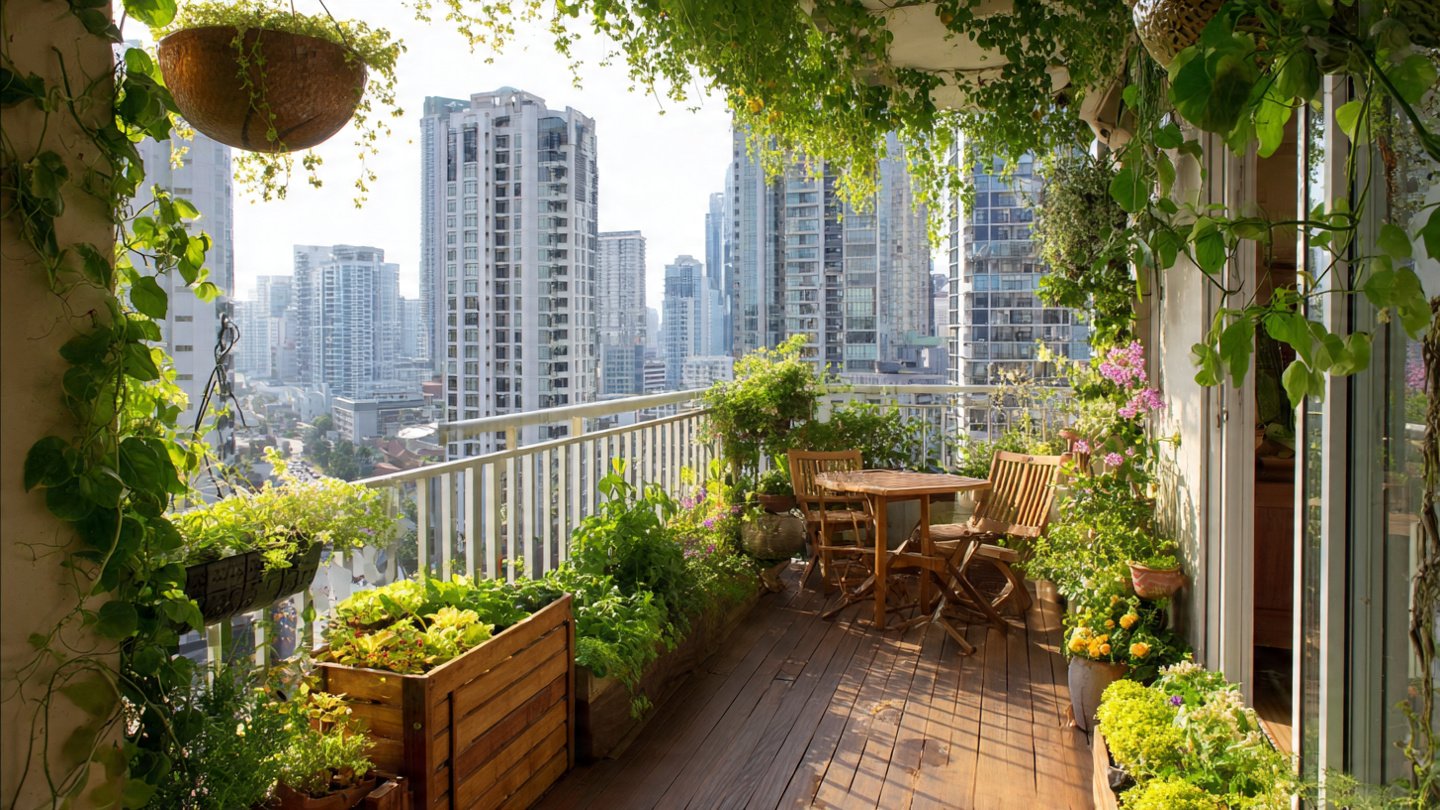
Urban living often comes with limited outdoor space, yet the desire to grow fresh, organic food has never been stronger. Balconies and rooftops, once underused or purely decorative, are now becoming productive green spaces that support self-sufficient city living. With thoughtful planning and smart gardening techniques, even the smallest urban areas can be transformed into thriving food gardens. This complete guide explores practical balcony and rooftop garden ideas that make growing organic food in cities both achievable and rewarding.
The Rise of Urban Food Gardening
City gardening is more than a trend; it is a response to rising food costs, environmental concerns, and the desire for healthier lifestyles. Growing food at home reduces dependence on store-bought produce, minimizes food miles, and ensures complete control over what goes into the soil and onto the plate. Balconies and rooftops provide access to sunlight and fresh air, making them ideal locations for cultivating vegetables, herbs, and even small fruits.
Urban gardening also improves mental wellbeing. Tending plants offers a break from digital life, reduces stress, and fosters a sense of accomplishment. For many city dwellers, balcony and rooftop gardens become peaceful retreats that combine productivity with relaxation.
Assessing Your Space and Conditions
Before starting, it is essential to understand the conditions of your balcony or rooftop. Observe how many hours of sunlight the space receives daily. Most vegetables and fruit-bearing plants require at least six hours of direct sunlight, while leafy greens and herbs can tolerate partial shade. Wind exposure is another important factor, especially on rooftops, where strong winds can dry out soil and damage plants. Installing wind barriers such as mesh screens or trellises can protect delicate crops.
Weight capacity is critical for rooftop gardens. Soil, containers, and water add significant load, so it is important to ensure that the structure can support it. Lightweight containers, fabric grow bags, and soilless mixes help reduce overall weight while still providing a healthy growing environment.
Choosing the Right Containers
Containers are the foundation of balcony and rooftop gardening. Selecting the right size and type ensures healthy root development and consistent growth. Pots, grow bags, wooden boxes, and vertical planters are all suitable options. Deep containers are ideal for root vegetables and fruiting plants like tomatoes and peppers, while shallow trays work well for herbs and leafy greens.
Drainage is essential. Containers must have drainage holes to prevent waterlogging, which can lead to root rot. Using saucers or trays beneath pots helps manage excess water while keeping the space clean. Self-watering containers are particularly useful for urban gardeners, as they maintain consistent moisture levels and reduce the need for frequent watering.
Soil and Organic Growing Mediums
Healthy soil is the backbone of any productive garden. In urban settings, high-quality organic potting mixes are preferable to garden soil, which may be too heavy or contaminated. A good growing medium should be lightweight, well-draining, and rich in organic matter. Compost, coconut coir, and perlite are commonly used components that improve aeration and moisture retention.
Organic gardening focuses on nourishing the soil naturally. Adding homemade compost, worm castings, or organic fertilizers supplies essential nutrients without harmful chemicals. Over time, well-maintained soil becomes more fertile, supporting stronger plants and higher yields.
Vertical Gardening for Maximum Yield
Vertical gardening is one of the most effective strategies for small urban spaces. By growing upward instead of outward, gardeners can dramatically increase production without sacrificing floor space. Trellises, wall-mounted planters, hanging baskets, and stacked shelving systems allow plants to grow vertically while maintaining accessibility.
Climbing plants such as beans, peas, cucumbers, and tomatoes thrive in vertical setups. Herbs and leafy greens can be grown in pocket planters or modular wall systems. Vertical gardening not only maximizes yield but also improves airflow and light exposure, reducing disease risk and promoting healthier growth.
Selecting Crops for Urban Gardens
Choosing the right crops is key to success in balcony and rooftop gardening. Compact, fast-growing, and high-yield plants are ideal for small spaces. Leafy greens like lettuce, spinach, and kale are excellent choices because they grow quickly and can be harvested multiple times. Herbs such as basil, mint, parsley, and cilantro are well-suited to containers and provide fresh flavor year-round.
Fruiting vegetables like tomatoes, chilies, eggplants, and strawberries perform well in pots with adequate sunlight and care. Root vegetables such as radishes and carrots can be grown in deep containers. Microgreens are another popular option, offering quick harvests and high nutritional value with minimal space requirements.
Water-Efficient Gardening Techniques
Water management is crucial in urban gardens, where overwatering and underwatering are common challenges. Containers dry out faster than ground soil, especially in sunny or windy locations. Mulching the soil surface with straw, dried leaves, or coconut husk helps retain moisture and regulate temperature.
Drip irrigation systems and self-watering planters are highly effective for balconies and rooftops. These systems deliver water directly to plant roots, reducing waste and ensuring consistent hydration. Collecting rainwater in small barrels or containers is another sustainable way to supplement watering needs while conserving resources.
Seasonal Planning and Year-Round Growing
With proper planning, urban gardens can produce food throughout the year. Understanding seasonal planting cycles helps maximize productivity. Cool-season crops like lettuce, spinach, and peas thrive in spring and autumn, while warm-season plants such as tomatoes and peppers grow best in summer.
Indoor growing techniques extend the harvest season. Using portable containers, plants can be moved indoors during extreme weather. Supplemental grow lights allow herbs and greens to flourish even in winter. Rooftop greenhouses or protective covers further enable year-round cultivation, turning limited urban spaces into continuous sources of fresh food.
Organic Pest and Disease Control
Urban gardens are not immune to pests, but organic methods can effectively manage problems without chemicals. Regular inspection is the first line of defense. Removing affected leaves, maintaining good airflow, and avoiding overcrowding reduce the risk of infestations and disease.
Natural solutions such as neem oil, soap sprays, and homemade garlic or chili solutions help deter pests. Encouraging beneficial insects like ladybugs and pollinators supports a balanced garden ecosystem. Healthy plants grown in nutrient-rich soil are naturally more resistant to pests and diseases.
Creating a Functional and Enjoyable Space
A successful balcony or rooftop garden balances productivity with comfort. Incorporating seating, shade, and decorative elements makes the space inviting and encourages regular use. Folding furniture, compact benches, or built-in planters with seating maximize functionality without crowding the area.
Thoughtful layout design ensures easy access to plants for watering and harvesting. Grouping plants by sunlight and water needs simplifies maintenance. A well-designed garden becomes an extension of the home, offering both nourishment and relaxation.
Benefits of Self-Sufficient City Gardening
Growing food in small urban spaces offers numerous benefits. Freshly harvested produce is more nutritious and flavorful than store-bought alternatives. Home gardening reduces grocery expenses and increases food security. Environmentally, it lowers carbon emissions associated with transportation and packaging.
Urban gardens also foster community. Sharing surplus produce, exchanging seeds, or gardening with neighbors strengthens social connections. For families, balcony and rooftop gardening provides educational opportunities, teaching children about nature, responsibility, and sustainability.
Conclusion
Balcony and rooftop gardens prove that space limitations do not have to limit food production. With the right techniques, containers, and plant choices, small urban spaces can become abundant sources of fresh, organic food. From vertical gardening and water-efficient systems to seasonal planning and organic care, city gardening offers practical solutions for self-sufficiency.
By transforming balconies and rooftops into productive gardens, urban residents reclaim control over their food while creating greener, healthier living environments. Whether growing herbs for daily meals or vegetables for year-round harvest, small-space gardening empowers city dwellers to live more sustainably. With creativity, patience, and thoughtful planning, anyone can turn an urban home into a thriving, self-sufficient oasis of fresh, organic food.