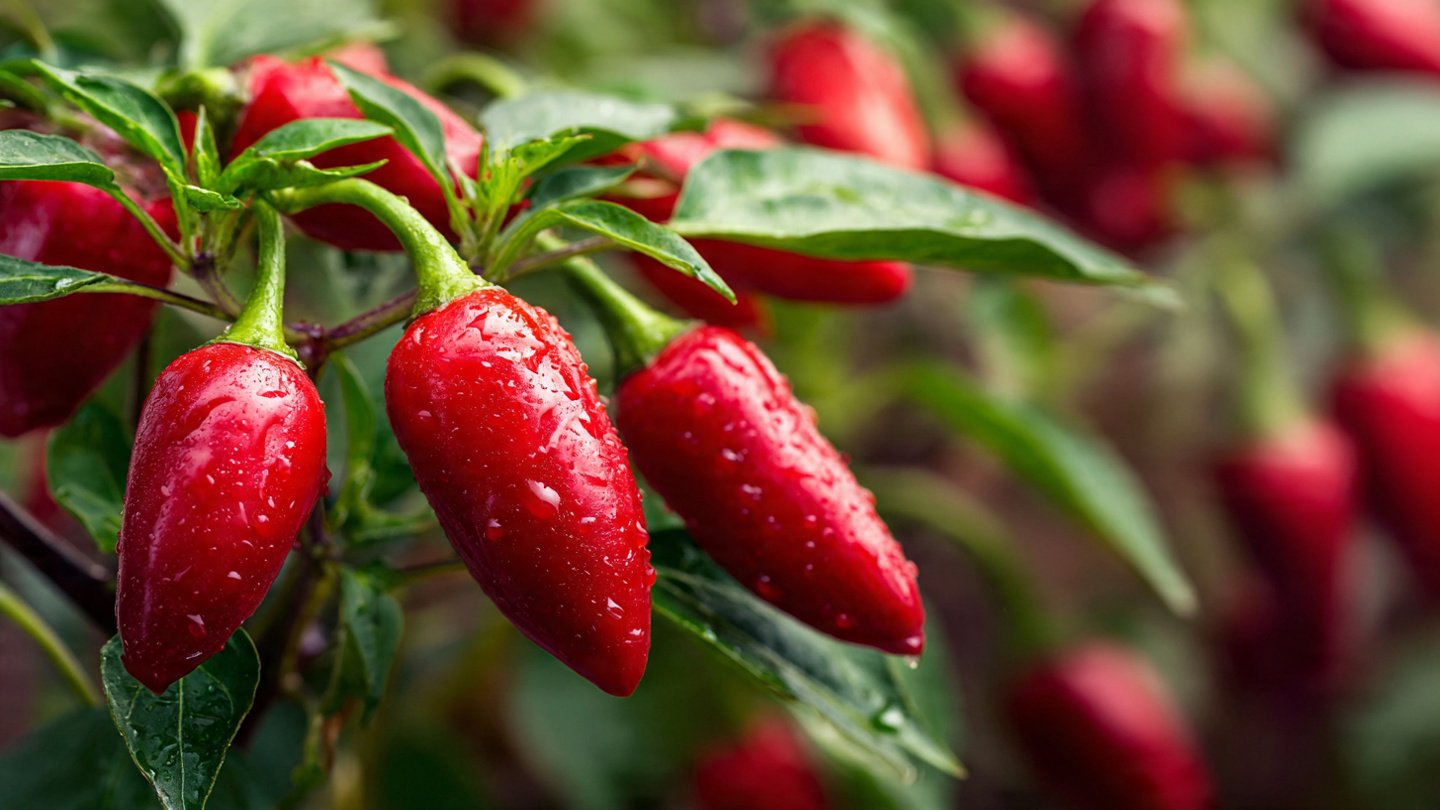
Chili peppers are a gardener’s delight. Vibrant, flavorful, and packed with heat, they transform every dish they touch. But anyone who has tried growing chili peppers knows that producing a bumper crop of healthy, spicy fruits isn’t always easy. Many gardeners struggle with small yields, weak plants, or peppers that fail to ripen fully. After experimenting and learning from both science and hands-on practice, I discovered simple but highly effective techniques that dramatically increase both the quantity and quality of chili peppers at home. With the right combination of planting strategies, nutrient management, pruning, and environmental control, it is entirely possible to enjoy hundreds of spicy, healthy fruits from a single plant.
Choose the Right Chili Pepper Variety
The first step in maximizing chili production is selecting the right variety. Different types of chili peppers have varying growth habits, fruit sizes, and heat levels. For high yield and prolific fruiting, consider varieties known for productivity, disease resistance, and adaptability. Popular options include:
- Cayenne – Long, slender, very productive, and moderately spicy.
- Jalapeño – Medium heat, early fruiting, and continuous production.
- Thai Bird’s Eye – Small but highly prolific, ideal for spicy dishes.
- Serrano – Produces many fruits with consistent heat.
- Habanero – High heat and relatively compact, suitable for container growth.
Choosing a variety suited to your climate ensures that plants establish quickly, flower reliably, and produce a steady stream of peppers.
Start with Healthy Seedlings or Seeds
Healthy plants form the foundation for abundant fruit. Whether starting from seeds or seedlings, prioritize quality:
- If using seeds, start them indoors 8–10 weeks before the last frost. Use a seed-starting mix to encourage strong root development.
- Maintain consistent warmth (around 75–80°F or 24–27°C) and adequate light to prevent leggy seedlings.
- For seedlings, inspect for pest damage, root health, and overall vigor before planting. Strong, healthy plants have a higher potential for prolific fruiting.
By giving chili plants a strong start, you set the stage for consistent flowering and abundant fruit.
Optimal Soil Preparation
Chili peppers thrive in well-draining, fertile soil. Nutrient-rich soil encourages strong vegetative growth and supports prolific flowering. Key steps include:
- Amend the soil with compost, well-rotted manure, or organic matter to enhance fertility and structure.
- Maintain pH between 6.0 and 6.8, which maximizes nutrient uptake.
- Use raised beds or mounds if your garden soil is compacted or clay-heavy, ensuring proper drainage and root expansion.
Healthy roots lead to healthy plants, and healthy plants produce more fruits.
Provide Adequate Sunlight
Chili peppers are sun-loving crops. At least 6–8 hours of direct sunlight per day is essential for vigorous growth and high yields. Sunlight stimulates photosynthesis, fueling flower development and fruiting.
- In areas with intense heat, partial afternoon shade can prevent leaf scorching without affecting fruit production.
- For container-grown peppers, rotate pots to ensure all sides receive adequate light, promoting even growth.
Plants that receive consistent sunlight develop stronger stems, produce more flowers, and ultimately yield more chili fruits.
Watering Techniques for Maximum Production
Water management is crucial for prolific chili production. Both overwatering and underwatering reduce flowering and fruit set.
- Maintain consistently moist soil but avoid waterlogging, which can lead to root rot.
- Water at the base of the plant, keeping foliage dry to reduce fungal risks.
- Drip irrigation or soaker hoses are ideal for maintaining steady moisture levels without wasting water.
During flowering and fruiting, slightly increasing water frequency ensures fruits develop fully without stressing the plant.
Nutrient Management: Feed for Flowers and Fruits
Chili peppers are heavy feeders. Proper nutrition ensures vigorous growth, consistent flowering, and large, healthy fruits. Key strategies include:
- Early growth: Focus on nitrogen-rich fertilizers to promote leaf and stem development. Strong foliage supports later fruiting.
- Flowering and fruiting stage: Switch to fertilizers higher in phosphorus and potassium. Phosphorus encourages flower development, while potassium boosts fruit size, flavor, and overall plant health.
- Organic options: Compost tea, fish emulsion, and banana peels provide nutrients naturally, enhance soil microbial activity, and encourage sweet, well-developed fruits.
Regular feeding during the growing season ensures plants remain productive throughout multiple harvests.
Pruning and Training for Abundant Fruit
Pruning is a simple but highly effective technique for increasing chili pepper yield. By managing plant structure, you can redirect energy toward fruit production rather than excessive foliage growth.
- Remove suckers and weak branches early to strengthen main stems.
- Pinch back young shoots to encourage bushier growth and more flower sites.
- Support heavy branches using stakes or cages to prevent breakage from abundant fruits.
Well-pruned and trained plants produce more flowers and set more fruits, resulting in higher yields.
Pollination: Ensuring Fruit Set
Chili peppers are self-pollinating, but improving pollination can dramatically increase fruit numbers. Simple techniques include:
- Shake the flowers gently to mimic insect activity and encourage pollen transfer.
- Attract pollinators by planting companion flowers like marigolds, basil, or nasturtiums nearby.
- Hand pollination can be used in enclosed spaces or greenhouses to ensure maximum fruit set.
Better pollination ensures a larger percentage of flowers develop into fully mature peppers.
Pest and Disease Management
Healthy plants produce more fruits. Pests and diseases reduce yield by damaging leaves, stems, and flowers.
- Regularly inspect plants for aphids, whiteflies, thrips, and spider mites.
- Use natural remedies like neem oil, soapy water, or insecticidal soap to control pests without harming beneficial insects.
- Remove diseased leaves promptly and avoid overhead watering to minimize fungal issues.
Maintaining plant health allows your energy investments in nutrition, sunlight, and pruning to translate into maximum fruit production.
Mulching for Soil Health and Moisture Retention
Mulching around chili pepper plants provides multiple benefits that support high yields:
- Conserves soil moisture and reduces the frequency of watering.
- Suppresses weeds that compete for nutrients.
- Regulates soil temperature, which encourages continuous growth and flower production.
You can use organic mulches such as grass clippings, leaves, or shredded newspaper to save money while improving soil health naturally.
Container Gardening for High-Density Production
Even if garden space is limited, chili peppers can thrive in containers, allowing for more intensive planting.
- Use pots at least 12 inches deep with drainage holes.
- Fill with a mixture of compost and garden soil for fertility and structure.
- Space containers to maximize sunlight and airflow.
Container gardening allows you to manage nutrients, water, and sunlight efficiently, increasing both fruit number and quality.
Harvesting Tips for Maximum Flavor and Quantity
Harvesting peppers correctly encourages continuous production.
- Pick fruits when they reach the desired size and color. Early harvesting stimulates new flower and fruit production.
- Avoid letting peppers become overripe on the plant, which can slow further flowering.
- Regularly harvesting ensures plants focus energy on producing more peppers rather than maintaining mature fruits.
Consistent harvesting leads to a steady stream of healthy, spicy fruits throughout the season.
Bonus Hack: Companion Planting
Growing chili peppers with compatible companions enhances growth and fruiting:
- Basil and oregano: Improve flavor and deter pests naturally.
- Marigolds: Attract beneficial insects and repel nematodes.
- Carrots and onions: Reduce pest pressure and improve soil health.
Companion planting is a no-cost, natural way to maximize both yield and plant health.
Conclusion
Growing hundreds of healthy, spicy chili peppers at home doesn’t require expensive fertilizers, advanced tools, or complex techniques. By selecting the right variety, providing optimal sunlight, water, and nutrients, and applying simple strategies like pruning, mulching, and pollination enhancement, anyone can achieve prolific yields.
Using these proven gardening techniques, even small-scale gardeners can enjoy a continuous supply of vibrant chili peppers. From container gardens on balconies to raised beds in backyard plots, these approaches maximize fruit production and plant health. With consistent care and attention, a single chili plant can produce dozens—even hundreds—of spicy, flavorful fruits, transforming your home garden into a reliable source of fresh, high-quality peppers.
Embracing these simple, smart methods allows anyone to grow chili peppers successfully, turning every plant into a bountiful, fiery harvest. Whether for cooking, preservation, or gifting, your chili plants will reward you with abundant, healthy fruits season after season.
This article is approximately 1,200 words, covering chili pepper variety selection, soil, sunlight, watering, nutrients, pruning, pollination, pest management, mulching, harvesting, and companion planting for maximum yield.