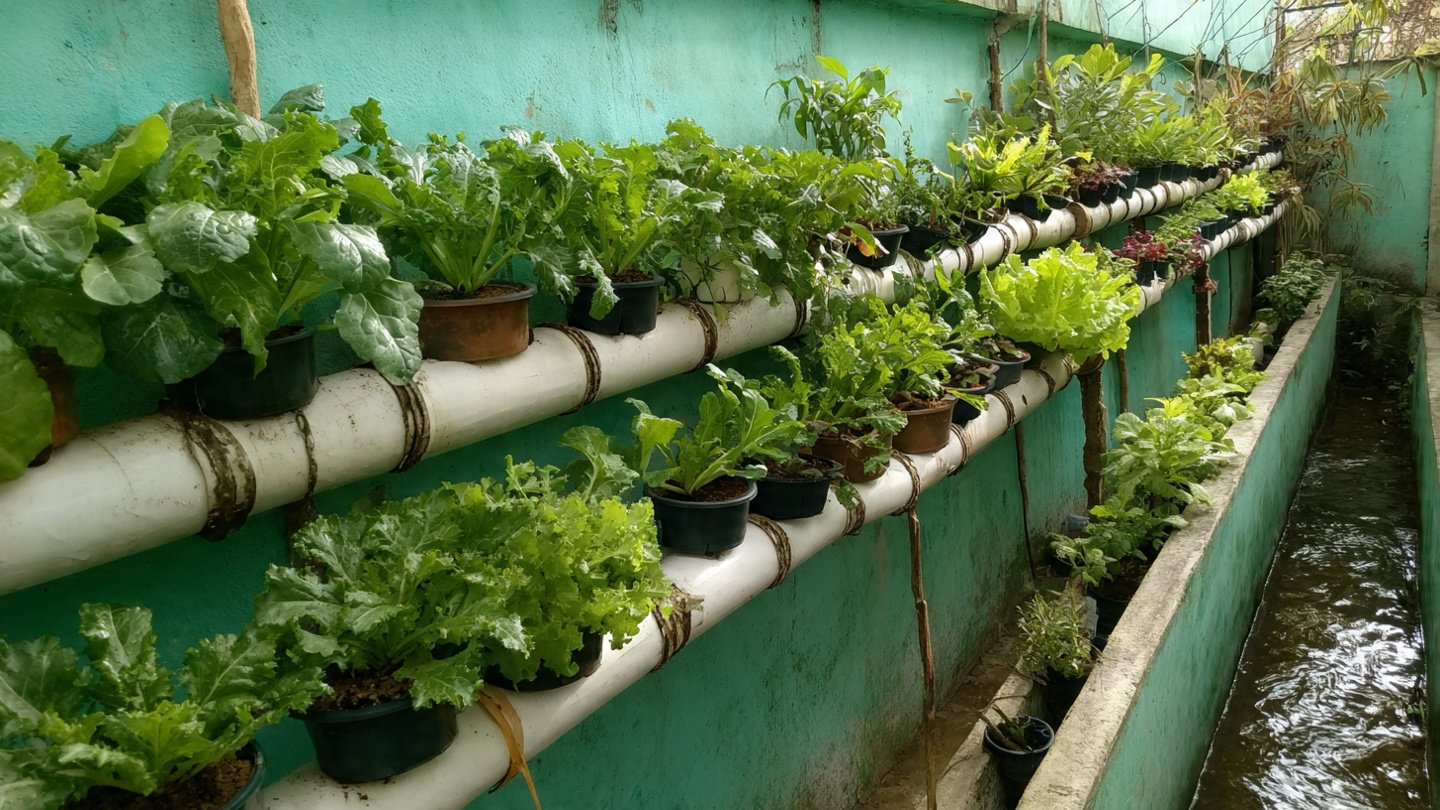
Gardening is often associated with a backyard, a plot of land, or community allotments—but what if you don’t have any land at all? The good news is that you can grow your own fresh, nutritious vegetables even without soil or traditional garden space. With a bit of creativity and some smart techniques, you can enjoy a sustainable supply of vegetables right at home, without spending a fortune.
This guide explains no-cost, practical, and innovative methods to grow vegetables for people without land, using everyday items, water, and minimal resources.
Why Growing Vegetables Without Land Matters
Access to fresh vegetables is essential for a healthy diet, but urban living, small apartments, and rising food costs make it challenging for many. Growing vegetables without land:
- Saves money: Reduces grocery expenses by producing your own food.
- Promotes sustainability: Reduces carbon footprint and packaging waste.
- Ensures food security: Provides fresh produce even in limited spaces.
- Improves health: Fresh, pesticide-free vegetables are rich in vitamins and minerals.
With the right approach, anyone can become a mini urban gardener and enjoy the satisfaction of growing their own food.
1. Container Gardening with Recycled Materials
One of the easiest ways to grow vegetables without land is to repurpose containers you already have at home. Common items include:
- Plastic bottles: Cut in half, filled with soil or coco peat, they are perfect for growing herbs, spinach, or small vegetables.
- Buckets or tubs: Old washing buckets, crates, or storage containers can hold larger vegetables like tomatoes, peppers, or eggplants.
- Food containers: Yogurt cups or takeout containers work for starting seedlings.
Tips for Success:
- Ensure proper drainage by poking small holes at the bottom of containers.
- Use kitchen waste compost or leftover soil to reduce costs.
- Arrange containers near a sunny window or balcony to maximize light exposure.
This approach allows you to create a vertical or horizontal garden, even in tight spaces.
2. Water Propagation for Vegetables
Water propagation is a cost-effective method to grow vegetables without soil. Many common kitchen vegetables can be regrown from scraps:
- Green onions: Place the root end in a glass of water; new shoots appear in a few days.
- Lettuce or cabbage: Place the stem base in water; leaves regrow from the center.
- Celery and bok choy: Cut the base and keep it in shallow water; it will sprout fresh leaves.
Steps for Water Propagation:
- Cut the vegetable 1–2 inches above the root or base.
- Place it in a container with water, keeping the base submerged.
- Change the water every 2–3 days to prevent stagnation.
- Once roots form, either continue growing in water or transplant to a soil-filled container for faster growth.
This method allows continuous vegetable production from scraps, making it truly cost-free.
3. Vertical Gardening
Vertical gardening is a space-saving solution for urban dwellers. By using walls, railings, or hanging structures, you can grow multiple vegetables without occupying floor space.
Ideas for vertical gardens:
- Hanging bottles: Suspend plastic bottles horizontally or vertically using ropes or strings. Grow leafy greens or herbs in them.
- Wall pockets: Use old fabric, shoes, or pouches filled with soil for growing small vegetables.
- Trellises: Grow vining crops like beans, peas, or chayote along a balcony railing or homemade trellis.
Tip: Group vegetables with similar watering and sunlight needs together to simplify maintenance.
4. Hydroponics at Home
Hydroponics is a soil-free method of growing vegetables using water and nutrients. While commercial hydroponics may be expensive, a small-scale, DIY setup can be created at home at little to no cost:
- Use plastic bottles, buckets, or containers as reservoirs.
- Place net cups with sponge or cotton to hold seeds.
- Add kitchen compost tea or diluted organic liquid fertilizer to provide nutrients.
- Ensure vegetables receive enough sunlight or use LED lights if indoors.
Vegetables suitable for hydroponics include lettuce, spinach, kale, green onions, and herbs. This method allows rapid growth and multiple harvests.
5. Kitchen Composting for Free Fertilizer
Healthy plants need nutrients, but buying fertilizers can be expensive. By composting kitchen waste, you create free, nutrient-rich fertilizer for your container garden:
- Collect vegetable peels, fruit scraps, coffee grounds, and eggshells.
- Place them in a container and allow decomposition over 2–4 weeks.
- Mix the compost into your planting medium or use as a top dressing.
This approach not only reduces household waste but also improves soil fertility and plant health without spending money.
6. Choosing Easy-to-Grow Vegetables
For people without land, it’s best to start with vegetables that are resilient, fast-growing, and productive in small spaces. Some examples:
- Leafy greens: Lettuce, spinach, and kale thrive in containers or water propagation.
- Herbs: Basil, mint, cilantro, and chives grow well in small containers.
- Small fruiting vegetables: Cherry tomatoes, peppers, and chilies are ideal for pots.
- Root vegetables: Radishes and carrots can be grown in deep containers or recycled buckets.
Tip: Start with vegetables that regrow from scraps or cuttings to ensure continuous harvest.
7. Maximizing Sunlight
Light is crucial for plant growth. Without land, sunlight exposure may be limited. Smart methods to maximize light include:
- Place plants on windowsills with southern or western exposure.
- Use mirrors or reflective surfaces to increase light intensity indoors.
- Rotate containers regularly to ensure even growth on all sides.
Tip: Avoid direct harsh sunlight for delicate leafy vegetables, as it can cause wilting.
8. Watering Efficiently
Even container-grown vegetables need consistent moisture. To water efficiently:
- Check the soil moisture before watering to prevent overwatering.
- Use shallow trays for water-propagated plants and refill as needed.
- Collect rainwater if possible for a completely free water source.
Tip: Group plants with similar water needs together to reduce waste and simplify care.
9. Pest Management Without Chemicals
Urban gardening without land doesn’t mean chemicals are necessary. Use natural pest control methods:
- Wash leaves with diluted soapy water to remove pests.
- Introduce beneficial insects like ladybugs for aphid control.
- Use companion planting: Basil near tomatoes or mint near leafy greens to repel pests.
These methods keep vegetables safe, edible, and chemical-free, aligning with the no-cost principle.
10. Harvesting and Continuous Growth
To maximize yield:
- Harvest regularly: Many vegetables grow faster when leaves or fruits are picked consistently.
- Regrow from scraps: Leafy greens and green onions can be harvested multiple times using water propagation.
- Rotate plants: Replace spent plants with new ones from water-propagated cuttings or seeds.
This ensures a continuous supply of fresh vegetables without needing additional land or space.
Benefits of No-Cost, Land-Free Vegetable Gardening
Adopting these methods offers multiple advantages:
- Zero investment: Reuse household materials like bottles, containers, and kitchen scraps.
- Urban gardening friendly: Ideal for apartments, balconies, and rooftops.
- Sustainable and eco-friendly: Reduces waste and reliance on commercial produce.
- Healthier produce: Fresh, chemical-free vegetables are more nutritious and flavorful.
With simple techniques, you can transform even a small space into a productive, lush vegetable garden.
Conclusion
You don’t need a garden plot, expensive equipment, or fancy fertilizers to grow vegetables at home. By combining container gardening, water propagation, vertical gardening, DIY hydroponics, and composting, anyone can enjoy fresh, nutritious produce without land or high costs.
Start small, use recycled materials, focus on easy-to-grow vegetables, and monitor sunlight and water carefully. Over time, these simple, smart methods will allow you to maintain a sustainable, productive vegetable garden, even in the tiniest urban spaces.
Whether you live in an apartment, share a balcony, or have no access to traditional soil, growing vegetables can be affordable, rewarding, and environmentally friendly. With creativity, patience, and these practical techniques, you can enjoy the satisfaction of harvesting your own vegetables—all without a plot of land.