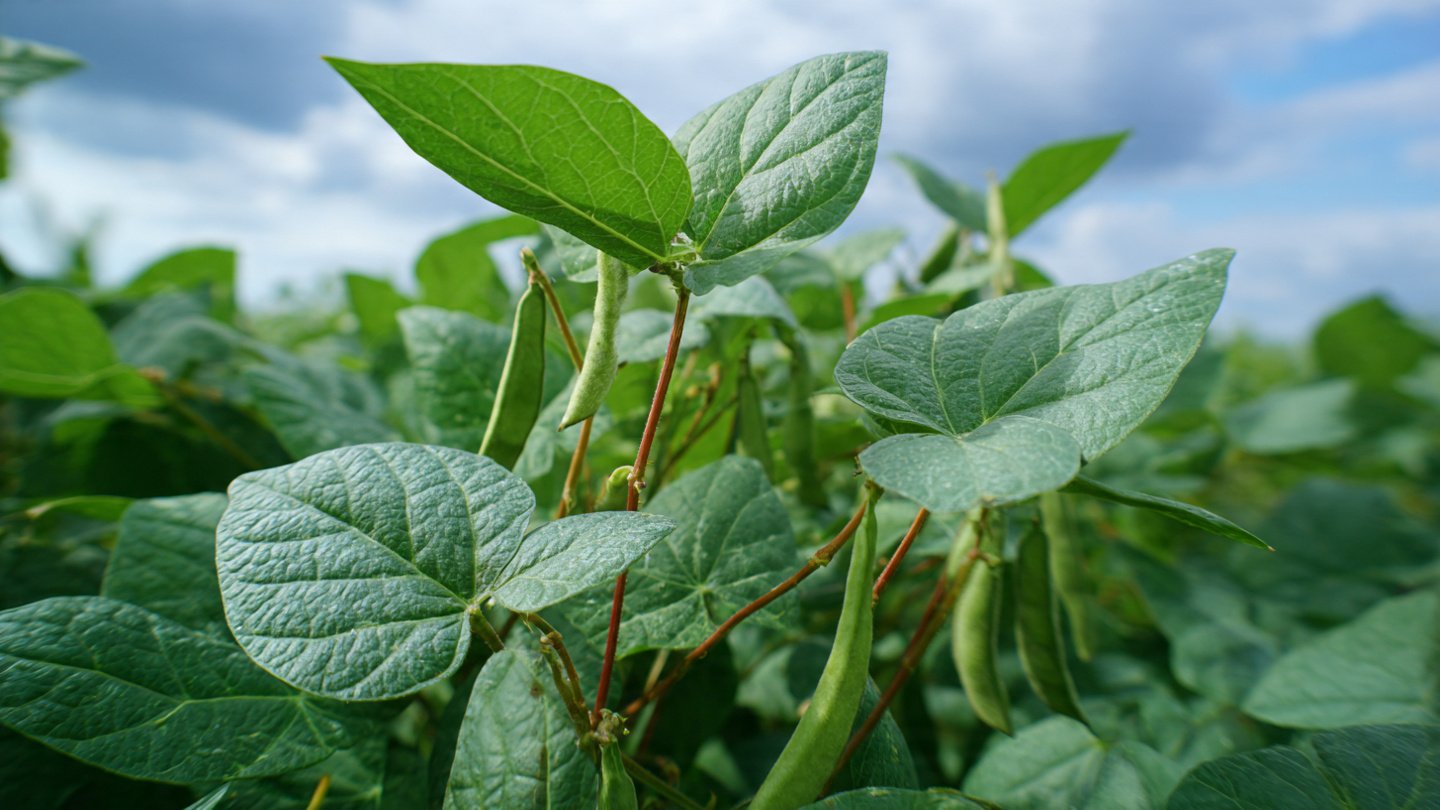
Cowpeas, also known as black-eyed peas or Vigna unguiculata, are a highly nutritious legume crop widely cultivated for their edible seeds, leaves, and pods. They are a staple in many parts of Africa, Asia, and the southern United States due to their versatility, drought tolerance, and high protein content. Despite being hardy and adaptable, achieving outstanding yields from cowpeas requires careful planning, proper management, and adherence to proven cultivation practices. In this guide, we’ll share expert strategies to help you maximize cowpea production while maintaining soil health and plant vigor.
Understanding Cowpeas and Their Growth Requirements
Cowpeas are warm-season legumes that thrive in tropical and subtropical climates. They are tolerant to drought, low fertility soils, and high temperatures, making them an ideal crop for regions with challenging growing conditions. However, even hardy crops benefit from optimal care and attention.
Key Growth Factors
- Temperature: Cowpeas prefer temperatures between 25–35°C (77–95°F). Temperatures below 18°C can slow germination and early growth, while extreme heat may reduce flower retention and pod set.
- Soil: Well-drained loamy or sandy soils with a pH of 5.5–6.5 are ideal. Heavy clay soils can lead to waterlogging, root rot, and poor plant performance.
- Sunlight: Full sun exposure is critical. Cowpeas require 6–8 hours of direct sunlight daily to produce abundant flowers and pods.
- Water: While drought-tolerant, cowpeas perform best with consistent moisture during flowering and pod development.
By understanding these environmental needs, you can create a foundation for high-yielding cowpea crops.
Selecting the Right Variety
Choosing the appropriate cowpea variety is essential for maximizing yield. Varieties differ in:
- Maturity period: Short-duration varieties mature in 60–70 days, while long-duration types take 90 days or more.
- Plant type: Bush types are compact and easier to manage, while climbing or spreading types can produce higher yields if given support.
- Resistance traits: Select varieties resistant to common pests and diseases such as aphids, thrips, and leaf spot.
Expert farmers often recommend high-yielding, disease-resistant varieties suited to local climates. Sourcing certified seeds ensures high germination rates and healthier plants.
Preparing the Soil for Maximum Production
Healthy soil is the cornerstone of high cowpea yields. Follow these expert soil preparation strategies:
- Clear the land: Remove weeds, crop residues, and stones to reduce competition and improve soil aeration.
- Plow and harrow: Loosen the soil to a fine tilth for better root penetration and moisture retention.
- Add organic matter: Incorporate compost, well-rotted manure, or green manure to enhance fertility and microbial activity.
- Use starter fertilizers: While cowpeas fix their own nitrogen through symbiosis with Rhizobium bacteria, applying phosphorus-rich fertilizers at planting boosts early growth and nodulation.
By investing time in soil preparation, you create an environment that supports strong, productive plants.
Planting Techniques for Optimal Yield
Planting methods significantly impact cowpea growth and productivity. Consider these expert practices:
Spacing
Proper spacing reduces competition for sunlight, nutrients, and water. Recommended spacing:
- Bush varieties: 30–45 cm between rows and 15–25 cm between plants.
- Climbing varieties: 60–90 cm between rows with 30–45 cm between plants.
Wider row spacing also facilitates airflow, reducing disease incidence and making pest management easier.
Seed Treatment
Treating seeds before planting improves germination, plant vigor, and disease resistance. Common treatments include:
- Fungicidal treatment: Protects seeds from soil-borne pathogens.
- Rhizobium inoculation: Enhances nitrogen fixation for better growth and higher yields.
Plant seeds at a depth of 2–3 cm in well-moistened soil and water immediately after sowing to encourage uniform germination.
Irrigation and Moisture Management
Although cowpeas tolerate dry conditions, proper moisture management is crucial during critical growth stages, including flowering and pod development. Water stress during these periods can drastically reduce yield.
- Irrigation: Apply consistent water to maintain soil moisture, especially in sandy soils that drain quickly.
- Mulching: Use organic mulch to retain moisture, regulate soil temperature, and suppress weeds.
- Avoid overwatering: Excessive water leads to root diseases and reduces flowering.
Expert farmers monitor soil moisture regularly and adjust watering based on weather conditions and soil type.
Fertilization for Maximum Yield
Cowpeas benefit from balanced nutrient management. Although legumes fix their own nitrogen, additional nutrients improve growth and yield.
Nitrogen
- Provided indirectly through Rhizobium bacteria in root nodules.
- Inoculating seeds enhances nitrogen fixation and boosts productivity.
Phosphorus and Potassium
- Phosphorus promotes root growth and early flowering.
- Potassium supports pod formation and improves disease resistance.
Micronutrients
- Zinc, magnesium, and boron are critical for flower and pod development.
- Soil testing helps identify deficiencies before planting, ensuring timely nutrient supplementation.
By providing nutrients at the right stage, you increase flower retention, pod set, and overall plant health.
Pest and Disease Management
Pests and diseases are among the leading causes of reduced cowpea yields. Common threats include:
- Aphids and thrips: Feed on sap and transmit viruses. Use neem oil or insecticidal soaps.
- Pod borers: Caterpillars that damage pods; control with Bacillus thuringiensis (Bt) or biological agents.
- Fungal diseases: Leaf spot, powdery mildew, and root rot can be minimized by proper spacing, mulching, and crop rotation.
Regular scouting, early detection, and integrated pest management are key to maintaining healthy, high-yielding plants.
Pruning and Training
For climbing or sprawling varieties, pruning encourages better light penetration and reduces disease pressure. Remove weak or damaged stems and train vines along trellises or supports to maximize exposure to sunlight. This practice increases the number of pods per plant and improves air circulation.
Harvesting for Maximum Production
Proper harvesting ensures continued production and high-quality seeds. Cowpeas produce pods over several weeks, and timely harvesting encourages plants to produce more.
- Frequency: Harvest pods every 3–5 days to prevent overripe pods from reducing plant vigor.
- Method: Pick pods gently to avoid damaging the vine or flowers.
- Maturity: Harvest green pods for consumption or allow seeds to mature for storage.
Regular harvesting is a proven strategy to boost overall yield and extend the productive period of your crop.
Crop Rotation and Soil Health
Rotating cowpeas with cereals or other non-leguminous crops prevents soil nutrient depletion and reduces pest and disease pressure. Legumes like cowpeas improve soil fertility through nitrogen fixation, which benefits the following crop in rotation.
- Rotation examples: Cowpeas → Maize → Sorghum
- Green manure: Cowpea residues can be incorporated into the soil after harvest to enrich organic matter.
A proper rotation plan not only maximizes current yields but also ensures sustainable productivity for future planting seasons.
Expert Tips for Maximum Production
- Plant at the right time: Avoid early or late planting; follow local climate recommendations for optimal growth.
- Select high-quality seeds: Certified, disease-free seeds improve germination and early vigor.
- Maintain consistent care: Monitor moisture, nutrients, pests, and diseases regularly.
- Use supports for climbing varieties: Vertical growth improves sunlight exposure and pod development.
- Harvest frequently: Encourage continuous flowering and pod production by picking regularly.
By following these strategies, expert farmers consistently achieve outstanding yields, making cowpeas one of the most rewarding crops to cultivate.
Conclusion
Cowpeas are a highly productive, nutritious, and versatile crop that can thrive under a wide range of conditions. While the plant is hardy, implementing expert strategies ensures maximum production. From choosing the right variety and preparing soil to proper planting, irrigation, fertilization, pest management, pruning, and timely harvesting, every step contributes to higher yields.
By combining scientific knowledge with careful observation and consistent care, even small-scale farmers or home gardeners can achieve exceptional cowpea harvests. The key is understanding the plant’s needs, anticipating challenges, and applying proven practices that encourage strong growth and abundant pod formation.
With these expert strategies, cowpeas can become a profitable, sustainable, and highly rewarding crop, providing food, income, and soil benefits year after year. Achieving outstanding yields is not just possible—it’s entirely manageable with the right approach.