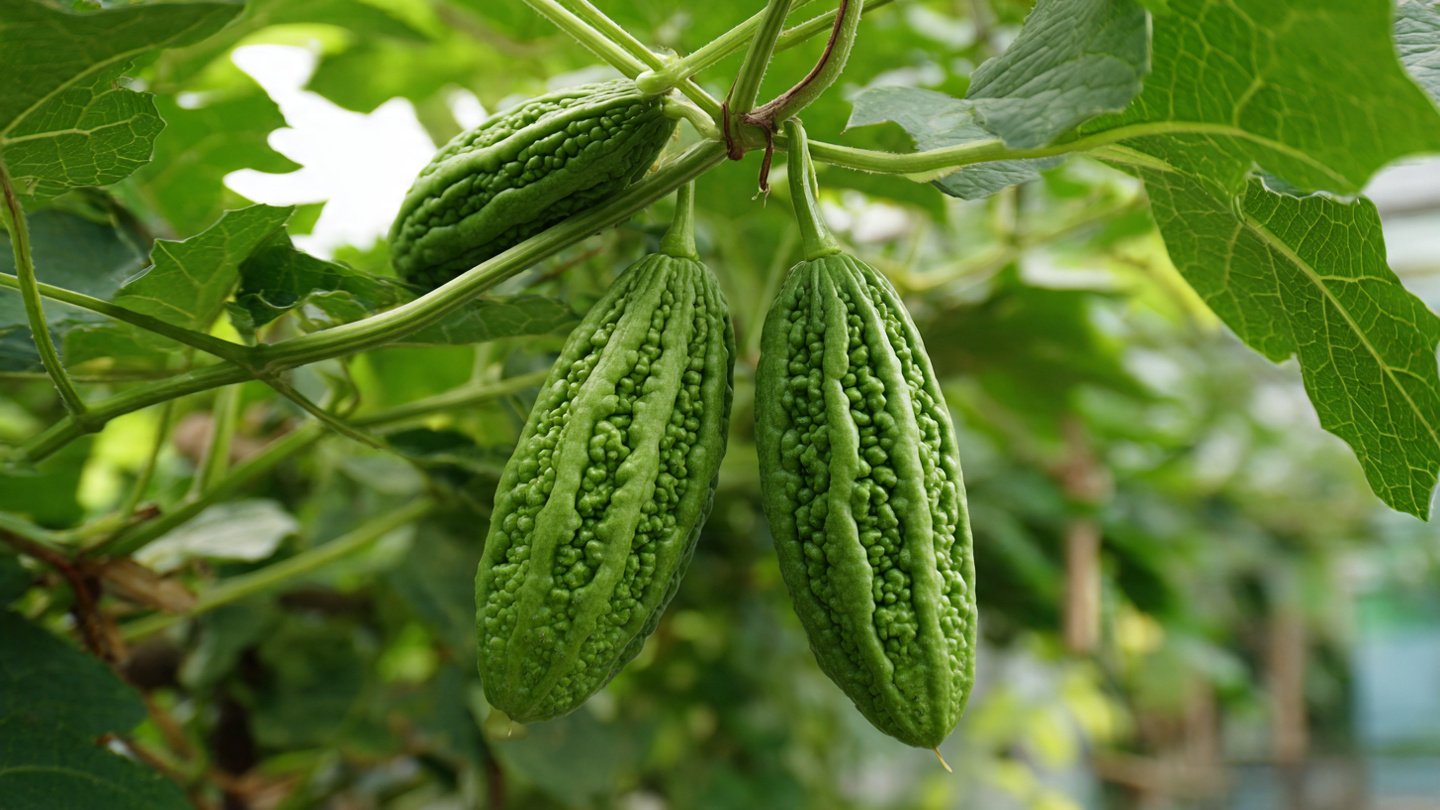
Bitter gourd, also known as bitter melon or karela, is one of the most nutritious and versatile vegetables in the world. Known for its distinctive bitter taste, it is celebrated for its health benefits, including blood sugar regulation, digestive support, and immune system enhancement. Despite its reputation for being slightly tricky to grow, the truth is that growing bitter gourd is surprisingly easy and can yield an impressive harvest with the right approach. For gardeners of all experience levels, this ultimate guide will show you how to cultivate, care for, and maximize the production of bitter gourd in your garden or balcony.
Why Grow Bitter Gourd?
Before diving into cultivation, it’s worth highlighting why bitter gourd is a valuable addition to your garden:
- Nutrient-rich: Bitter gourd is high in vitamins A, C, and K, as well as potassium, iron, and dietary fiber.
- Health benefits: Regular consumption may help manage blood sugar, improve digestion, and strengthen immunity.
- Low-maintenance vegetable: With proper planning, it requires minimal effort and produces abundant fruits.
- Versatility: Bitter gourd can be used in curries, stir-fries, juices, and herbal remedies.
- Homegrown flavor: Freshly harvested bitter gourd tastes far superior to store-bought options, and home cultivation guarantees chemical-free produce.
Now that the benefits are clear, let’s explore the steps to make bitter gourd cultivation easy and highly productive.
Choosing the Right Variety
The first step is selecting the appropriate variety based on your climate, space, and taste preference. Bitter gourds come in many shapes, sizes, and bitterness levels. Popular types include:
- Long green varieties: Common in tropical climates, with elongated fruits that can grow up to 20 inches.
- Small bitter types: Less bitter, ideal for stir-fries and salads, and mature faster.
- Ridge or warty types: Often preferred for juicing or medicinal use due to higher nutrient content.
For beginners, small, warty varieties are recommended, as they are hardy, fast-growing, and prolific. Choosing seeds from a reputable source ensures high germination rates and disease-free plants.
Ideal Growing Conditions
Bitter gourd thrives in warm, sunny conditions. It is a tropical plant, so the following environmental factors promote optimal growth:
- Temperature: 24–35°C (75–95°F) is ideal. Frost can kill seedlings, so plant after the last winter frost.
- Sunlight: Full sun for 6–8 hours per day encourages flowering and fruiting.
- Soil: Well-drained, fertile soil rich in organic matter is best. Slightly acidic to neutral pH (6.0–7.0) is ideal.
- Space: Bitter gourd is a climbing vine. Allocate 3–5 feet per plant horizontally and provide vertical trellises for climbing.
Step-by-Step Guide to Planting Bitter Gourd
Step 1: Seed Preparation
Bitter gourd seeds have a hard coating that benefits from pre-soaking. Soak seeds in warm water for 24 hours to improve germination. You can also nick the seed coat slightly to accelerate sprouting. Healthy seeds usually germinate within 7–10 days.
Step 2: Choosing Containers or Beds
Depending on your space, bitter gourd can be grown in:
- Raised garden beds: Ideal for larger gardens with good soil drainage.
- Containers or pots: Perfect for balconies or small spaces. Use pots that are at least 12 inches deep.
Ensure containers have drainage holes to prevent waterlogging, which can harm roots.
Step 3: Planting Seeds
Plant seeds 1 inch deep in soil or seedling trays. Maintain spacing of 2–3 feet for outdoor beds or 1–2 feet for container-grown plants. Water gently to keep the soil moist but not soggy. Thin seedlings to one per hole after germination to prevent overcrowding.
Step 4: Installing Support
Bitter gourd vines need vertical support to grow efficiently and produce more fruit. Install trellises, stakes, or netting early in the growth stage, so vines can climb naturally. Vertical growth:
- Improves air circulation
- Reduces risk of disease
- Makes harvesting easier
- Increases fruit production
Caring for Bitter Gourd Plants
Proper care ensures high yields and healthy fruits. Key maintenance tasks include:
Watering
Bitter gourd requires consistent moisture, especially during flowering and fruiting. Water deeply 2–3 times per week, depending on weather and soil type. Avoid overwatering, as it can lead to root rot. Mulching around the base helps retain moisture and suppresses weeds.
Fertilization
Fertilizing boosts growth and fruit production. Use a balanced organic fertilizer or compost. Suggested schedule:
- Vegetative stage: Nitrogen-rich fertilizer promotes vine and leaf growth.
- Flowering stage: Switch to a phosphorus and potassium-rich fertilizer to enhance flowering and fruit set.
- Fruiting stage: Maintain moderate fertilization to encourage continuous production.
Pruning
Pruning helps manage vines and directs energy toward fruiting. Remove:
- Weak or damaged leaves
- Excess lateral shoots that reduce fruit size
- Older leaves that may block sunlight
Pruning is especially useful for container-grown plants to prevent overcrowding and improve air circulation.
Pest and Disease Management
Bitter gourd is generally resilient, but pests like aphids, fruit flies, and mites can affect production. Preventive measures include:
- Spraying neem oil or mild insecticidal soap
- Handpicking visible pests
- Ensuring proper spacing to reduce humidity and fungal growth
Diseases such as powdery mildew or downy mildew can occur in humid climates. Pruning, good air circulation, and disease-resistant varieties minimize risks.
Harvesting Bitter Gourd
One of the most surprising aspects of growing bitter gourd is the abundance of fruits it produces. Bitter gourd can begin producing within 50–60 days of planting, depending on the variety. Fruits should be harvested when they are young and green, as overripe fruits become excessively bitter and hard.
Tips for harvesting:
- Use sharp scissors or pruning shears to cut fruits from the vine to avoid damaging the plant.
- Harvest regularly to encourage continuous flowering and fruiting.
- Handle fruits gently to prevent bruising, as damaged fruits spoil faster.
With proper care, a single plant can produce 15–20 fruits or more in a season, making bitter gourd one of the most productive homegrown vegetables.
Benefits of Growing Your Own Bitter Gourd
Beyond the obvious taste and nutritional benefits, home cultivation offers several advantages:
- Cost savings: Store-bought bitter gourd can be expensive and inconsistent in quality.
- Chemical-free produce: You control what goes on your plants, ensuring organic growth.
- Sustainable gardening: Growing your own food reduces reliance on packaged vegetables and transportation emissions.
- Therapeutic gardening: Caring for climbing vines and harvesting fruits can be relaxing and rewarding.
Homegrown bitter gourd also allows experimentation with recipes and juice preparations that you may not find in stores.
Tips for Maximizing Yield
To make the most of your bitter gourd plants, consider these expert tips:
- Interplanting: Plant companion crops like beans, corn, or cornflowers, which can improve soil fertility and attract beneficial insects.
- Regular harvesting: Picking fruits every 2–3 days encourages the vine to produce more.
- Consistent sunlight: Move container plants to maximize daily sun exposure if possible.
- Fertilizer rotation: Alternate between compost, nitrogen, and phosphorus fertilizers to maintain soil health.
- Vertical trellis optimization: Train vines along multiple layers of trellis for higher density production.
Following these practices, gardeners are often amazed at how much bitter gourd they can harvest from even a small plot or a few containers.
Conclusion
It’s easy to see why bitter gourd is a favorite among home gardeners. With minimal effort, warm weather, and proper care, growing bitter gourd is simple, productive, and rewarding. From seed preparation to trellis setup, careful watering, pruning, and harvesting, every step contributes to a prolific harvest.
Whether you have a spacious garden or a small balcony, you can enjoy chemical-free, nutrient-rich bitter gourd that rivals anything bought at the market. With proper attention, your plants will reward you with bountiful fruits for months, making bitter gourd one of the most satisfying crops to cultivate at home.
This ultimate guide proves that what might seem like a challenging vegetable to grow is actually one of the easiest and most fruitful options for home gardening. With a bit of planning, consistent care, and smart harvesting, you can enjoy abundant, fresh bitter gourd, supporting both your health and your garden’s beauty.