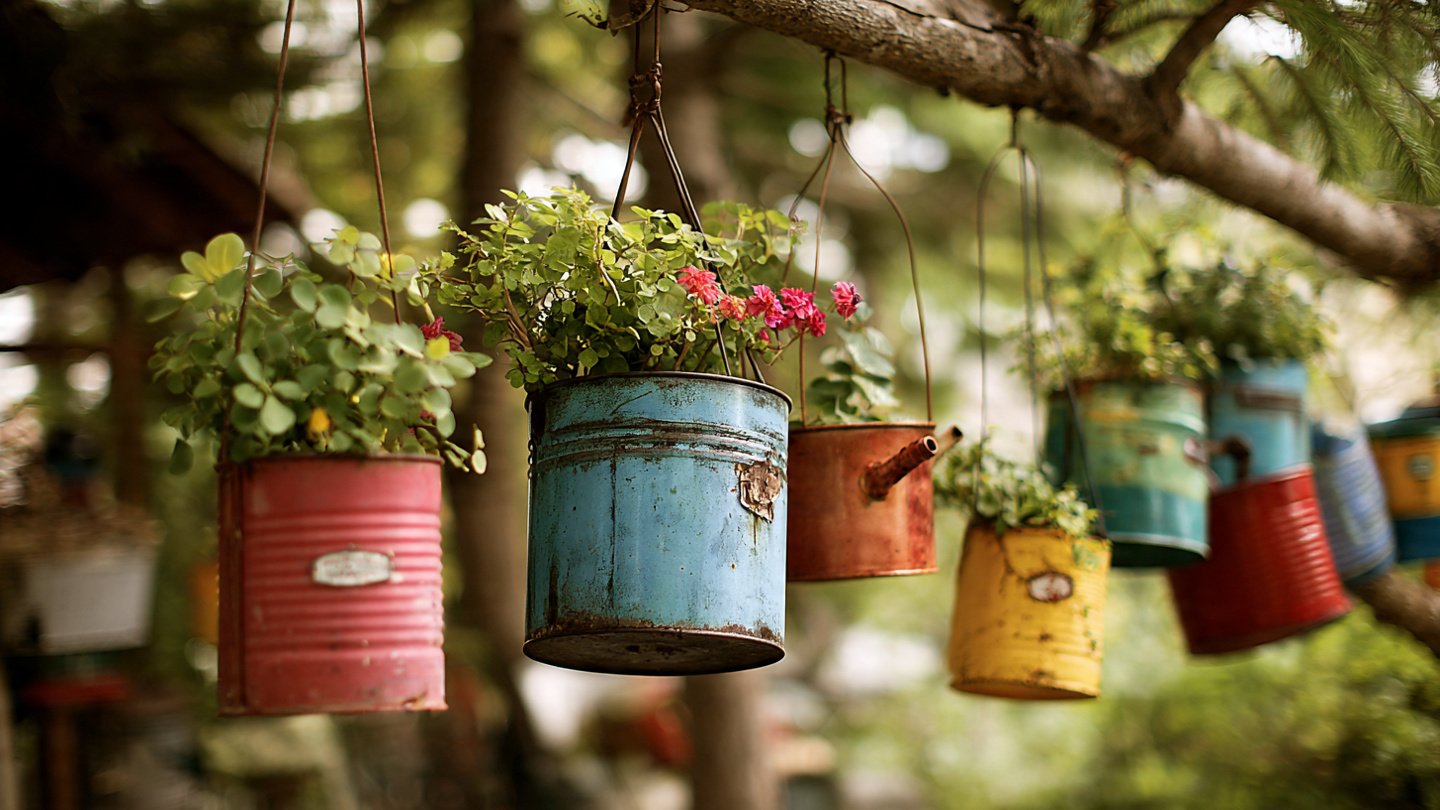
Creating a beautiful garden often requires creativity, space, and a willingness to experiment with unconventional ideas. One of the most delightful and environmentally friendly ways to add greenery to your home is by building a hanging garden using recycled broken cookware. This method transforms old, damaged, or unused kitchen items into stunning planters, giving new life to objects that would otherwise end up in the landfill. Not only does this approach promote sustainability, but it also adds charm, color, and personality to any indoor or outdoor space.
Hanging gardens are versatile and suitable for balconies, patios, windows, or even indoor rooms with adequate sunlight. By using broken pots, pans, kettles, or baking trays, gardeners can create a layered, whimsical display of plants that is both practical and artistic. This DIY approach allows homeowners to combine their love for gardening with a passion for upcycling, creating a unique and personalized space.
Why Choose a Hanging Garden
Hanging gardens offer several advantages compared to traditional garden beds or floor planters:
- Space Efficiency: Ideal for small apartments, balconies, or urban areas with limited ground space.
- Visual Appeal: Adds vertical interest and color, creating a natural focal point.
- Plant Health: Improved airflow around hanging plants reduces the risk of pests and fungal diseases.
- Customization: You can mix and match plants, containers, and heights to suit your style.
- Eco-Friendly: Using recycled cookware reduces waste and promotes sustainable living.
Combining these benefits with creative reuse of broken kitchen items allows for an innovative approach to gardening that is as decorative as it is functional.
Choosing the Right Cookware
Not all broken cookware is suitable for planting. When selecting items for your hanging garden, consider the following:
- Material: Metal, ceramic, enamel, and cast iron work well. Avoid non-stick pans with peeling coatings that could be harmful to plants.
- Size and Shape: Deep pots or bowls are ideal for plants with larger root systems, while shallow pans work for succulents, herbs, or small flowers.
- Drainage Possibility: Containers must either have existing holes or be adapted to allow water drainage, which is essential for healthy root development.
- Durability: Heavier items like cast iron may require stronger hooks or chains, while lighter items like aluminum or plastic are easier to hang.
Using mismatched, colorful cookware creates a whimsical and visually appealing hanging garden. Even chips, scratches, and imperfections add character, making your display uniquely yours.
Preparing Cookware for Planting
Before turning old pots and pans into planters, proper preparation is essential:
- Clean Thoroughly: Remove rust, grease, or food residues. Use a mild detergent and scrub well.
- Drill Drainage Holes: For metal or ceramic cookware, carefully drill or punch holes at the bottom to prevent waterlogging. If the container cannot be drilled, layer with pebbles or gravel for drainage.
- Protect Against Rust: If using metal, consider coating the inside with a thin layer of non-toxic sealant to prevent rust from affecting soil and plants.
- Line the Container: For fragile items, you can line the interior with landscape fabric to hold soil while allowing water to drain.
Proper preparation ensures that your recycled cookware not only looks beautiful but also supports healthy plant growth.
Selecting Plants for a Hanging Garden
The choice of plants depends on your space, sunlight availability, and desired aesthetic. Here are some popular options:
- Succulents and Cacti: Perfect for shallow containers and low-maintenance gardens. They require minimal watering and add diverse textures.
- Herbs: Basil, thyme, mint, and rosemary thrive in smaller planters and provide culinary benefits.
- Trailing Plants: Ivy, pothos, or string-of-pearls create cascading effects that enhance vertical appeal.
- Flowers: Petunias, marigolds, and geraniums add vibrant colors and attract pollinators if your garden is outdoors.
- Foliage Plants: Ferns, spider plants, and small palms can provide lush greenery and fill empty spaces in your hanging garden.
Mixing different plant types and heights creates a layered and dynamic display, giving depth and visual interest.
Hanging Methods and Safety Considerations
Proper installation is key to a successful hanging garden. Several methods can be used to suspend cookware safely:
- Hooks and Chains: Secure ceiling hooks or wall brackets can support heavy pots. Chains or strong cords attach cookware for stability.
- Macramé Plant Hangers: Fabric or rope hangers are ideal for lightweight pans and bowls, offering an aesthetic, boho touch.
- Tiered Hanging Systems: Vertical arrangements maximize space and allow multiple layers of planters.
- Wall-Mounted Shelves: Some shallow cookware can sit on wall-mounted shelves, creating a vertical garden without overhead hanging.
Safety is crucial. Ensure hooks are properly anchored, weight is distributed evenly, and containers are stable to prevent accidents. Outdoor setups must consider wind and weather, while indoor hanging gardens should avoid blocking walkways.
Soil and Planting Tips
Using the right soil mix is essential for plant health. Different plants require different soil types:
- Succulents: Use a well-draining cactus or succulent mix. Add sand or perlite to improve drainage in shallow cookware.
- Herbs: A light, loamy soil rich in organic matter works best. Avoid overly compacted soil to promote root growth.
- Flowers and Foliage Plants: Standard potting mix with compost ensures nutrients for flowering and leafy growth.
Layering soil with gravel or small pebbles at the bottom helps drainage, particularly for cookware without pre-drilled holes. Avoid overwatering, as hanging containers dry differently than ground planters. Frequent observation and adjustment prevent root rot.
Aesthetic Arrangements
One of the most enjoyable aspects of a hanging garden is the ability to create personalized designs. Consider these ideas:
- Color Coordination: Match cookware colors with plant blooms for a harmonious look.
- Height Variation: Hang containers at different levels to create visual layers.
- Cascading Effects: Use trailing plants in higher containers to spill gracefully over lower ones.
- Themed Displays: Combine herbs for a culinary garden, or colorful flowers for a vibrant balcony retreat.
- Seasonal Rotation: Swap plants according to season for continuous interest and bloom.
Play with textures, colors, and container shapes to make your garden a conversation piece and focal point of your outdoor or indoor space.
Maintenance for Longevity
Even recycled cookware requires attention to maintain a healthy hanging garden:
- Watering: Check soil moisture regularly. Hanging containers dry faster, so adjust watering frequency.
- Pruning: Trim dead leaves and flowers to promote new growth.
- Fertilizing: Light feeding with organic fertilizers ensures consistent growth.
- Cleaning: Periodically wipe leaves and containers to remove dust or debris.
- Inspecting Hangers: Ensure cords, hooks, and chains remain strong and secure over time.
Routine care ensures your garden remains vibrant and prevents structural or plant health issues.
Environmental and Creative Benefits
Recycling broken cookware into planters offers multiple advantages beyond aesthetics:
- Waste Reduction: Prevents old kitchen items from ending up in landfills.
- Sustainability: Encourages eco-friendly gardening practices and resourcefulness.
- Creativity: Allows gardeners to experiment with unique shapes, colors, and arrangements.
- Accessibility: Makes gardening possible in small spaces, apartments, or urban settings.
This approach combines practicality, sustainability, and artistry, making gardening accessible and rewarding.
Conclusion
A super lovely hanging garden using recycled cookware is a creative, sustainable, and visually stunning way to transform your space. By repurposing broken pots, pans, and other kitchen items, you can create a vertical garden that is both functional and decorative. Proper preparation, careful plant selection, and secure installation are key to ensuring success.
Whether you aim to grow herbs for cooking, colorful flowers for aesthetic appeal, or trailing plants for a lush vertical display, this approach allows you to maximize space while minimizing waste. Hanging gardens made from recycled cookware offer an eco-friendly, low-maintenance alternative to traditional gardening, providing beauty, greenery, and personality to any balcony, patio, or indoor area.
By embracing creativity and sustainability, your hanging garden can become a unique focal point, a source of fresh herbs and flowers, and a testament to the power of upcycling. With the right plants, containers, and care, your recycled cookware garden can thrive year-round, transforming ordinary spaces into extraordinary green havens.