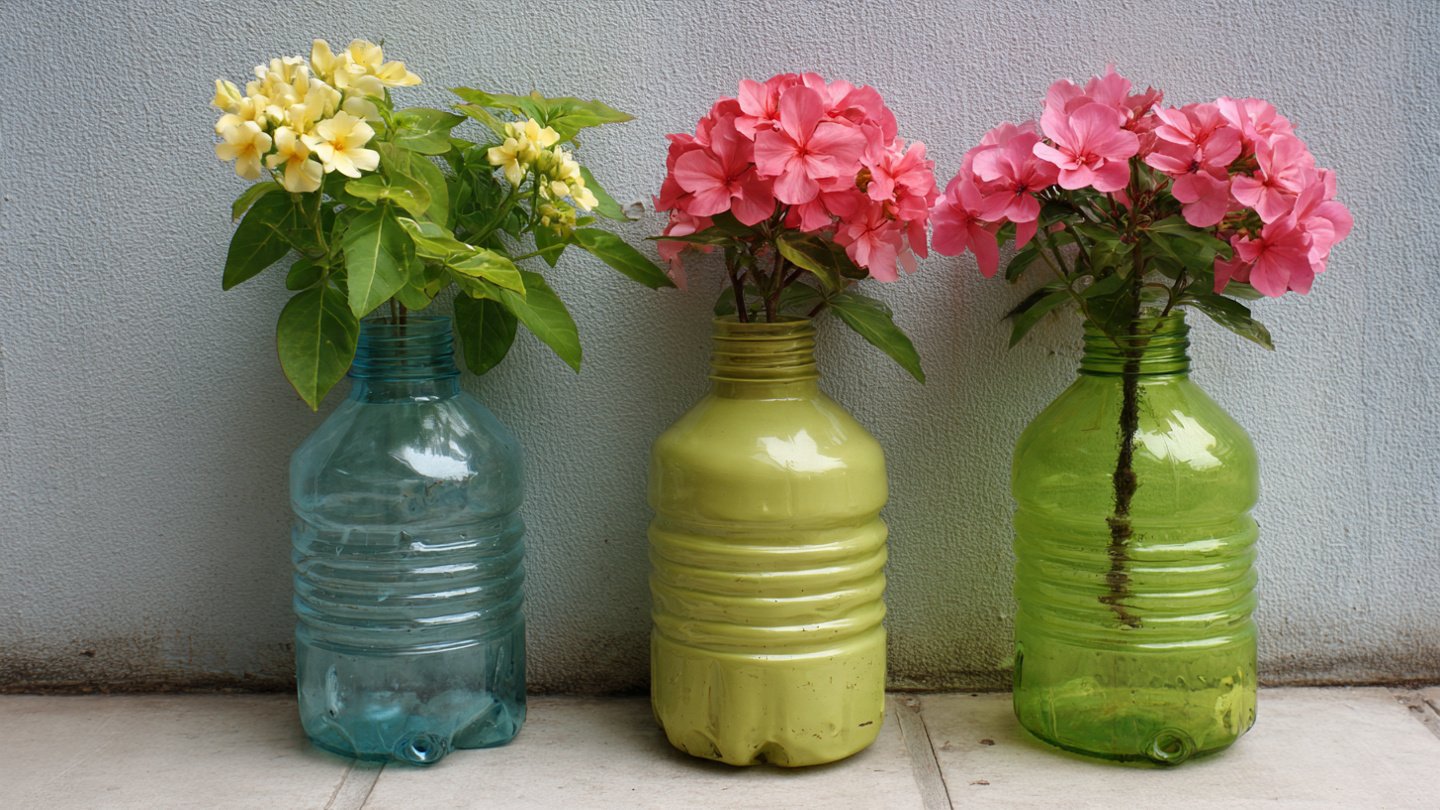
In today’s world, where environmental awareness is increasingly important, finding creative ways to reduce waste has become both a necessity and a rewarding hobby. One of the simplest yet most impactful methods is recycling plastic bottles into flower pots. Plastic bottles, which are ubiquitous and often discarded carelessly, can be transformed into functional and aesthetically pleasing containers for plants. By repurposing these everyday items, gardeners, DIY enthusiasts, and eco-conscious individuals can contribute to sustainability while adding a personal touch to their gardens or indoor spaces. This article explores creative ways to recycle plastic bottles into beautiful flower pots, provides step-by-step DIY ideas, and highlights how this trend contributes to sustainable living.
Why Recycle Plastic Bottles?
Plastic waste is a significant global challenge. Millions of tons of plastic end up in landfills, rivers, and oceans every year, taking hundreds of years to decompose. Among these, plastic bottles are particularly prevalent due to their widespread use in beverages and household products. Recycling plastic bottles into flower pots not only reduces waste but also conserves resources by giving plastic a second life. It’s a practical approach to minimizing environmental impact while creating functional and decorative items for your home or garden.
Beyond the environmental benefits, repurposing plastic bottles allows for customization. Unlike store-bought pots, DIY bottle pots can be tailored in shape, size, color, and style. You can make them suitable for small succulents, herbs, or larger flowering plants. This versatility makes recycled bottle pots an ideal option for indoor and outdoor gardening.
Materials Needed for DIY Bottle Flower Pots
The materials required for creating flower pots from plastic bottles are minimal and often already available at home. Basic supplies include:
- Plastic bottles – Various sizes of bottles can be used, from small water bottles to large soda containers.
- Scissors or craft knife – For cutting the bottles into the desired shape.
- Paint and brushes – Acrylic or spray paint can be used to decorate the bottles.
- Markers or stickers – For adding designs, patterns, or personalized labels.
- Soil and plants – Suitable for the size and type of the pot.
- Optional tools – Glue, rope, string, or wire for hanging planters.
By using these materials creatively, a wide range of flower pots can be made, from simple upright containers to hanging planters and decorative garden displays.
Simple Flower Pot Designs
One of the easiest ways to transform a plastic bottle into a flower pot is to cut it in half and use the bottom portion as a container. After cutting, make small drainage holes at the base to prevent waterlogging, then fill with soil and plant your flowers or herbs. This method is ideal for small to medium-sized plants and works well on windowsills, balconies, or indoor tables.
Another design involves cutting the top off a larger bottle and painting it with bright colors or patterns. Adding a coat of waterproof paint not only enhances the aesthetic but also protects the plastic from UV damage when placed outdoors. For a more sophisticated look, you can wrap bottles with twine, jute, or fabric, creating a rustic or bohemian vibe. These decorative touches allow the pots to blend seamlessly with home decor while keeping them eco-friendly.
Hanging Bottle Planters
Hanging planters are a creative and space-saving option, particularly for small apartments or urban gardens. To create a hanging pot, cut the side of the bottle, leaving an opening for planting. Poke holes at the top for threading string or wire to hang the planter securely. You can make multiple bottles into a vertical garden by suspending them at different heights, creating a cascading effect. This approach is ideal for growing herbs, small flowers, or trailing plants, and it maximizes space while adding visual interest.
Vertical Gardens and Multi-Pot Designs
Plastic bottles can also be used to create vertical gardens, an innovative trend in sustainable gardening. Cut bottles in half or make side openings, then stack or attach them to a wooden board, wall, or fence. Each bottle serves as a mini-pot for individual plants, and together they form a living wall. This design is particularly effective for growing herbs, lettuces, or small ornamental flowers. Using vertical space allows gardeners to cultivate more plants in a limited area and transforms ordinary walls into green, eco-friendly displays.
Decorative Painting and Customization
Personalizing recycled plastic bottles adds charm and uniqueness to your garden. Use acrylic paints to create patterns, stripes, or floral designs on the surface of your bottles. Waterproof paint is ideal for outdoor use, ensuring that colors remain vibrant despite rain or sunlight. Stickers, stencils, or decoupage techniques can also enhance the visual appeal, making your DIY flower pots a focal point in any space. Customization allows gardeners to match pots to their decor, seasonal themes, or personal preferences, turning waste into beautiful art.
Sustainable Practices in DIY Gardening
Repurposing plastic bottles aligns with broader sustainable gardening practices. By reducing reliance on store-bought pots, you decrease the demand for new plastic production. Additionally, growing plants in recycled containers encourages mindfulness about consumption and waste management. Combining recycled pots with organic soil, compost, and natural fertilizers further enhances eco-friendly gardening. Sustainable trends emphasize reducing waste, conserving resources, and promoting biodiversity, and recycled bottle pots play a small but significant role in this movement.
Community and Educational Benefits
Recycling plastic bottles into flower pots also has educational and social benefits. Schools, community centers, and gardening clubs can use this activity to teach children and adults about recycling, environmental stewardship, and plant care. It encourages creativity, problem-solving, and an appreciation for nature. Moreover, organizing community workshops to make recycled pots fosters collaboration, spreads awareness about plastic waste, and promotes sustainable living practices. These initiatives can inspire a new generation of environmentally conscious gardeners.
Seasonal and Indoor Gardening Applications
Plastic bottle flower pots are suitable for both indoor and outdoor gardening throughout the year. In winter, they can be used for indoor herb gardens, bringing greenery and fresh flavors into the kitchen. In spring and summer, they can be placed on patios, balconies, or garden beds. The versatility of bottle pots allows gardeners to experiment with different plants, arrangements, and designs according to seasonal needs. Indoor placement also benefits plants by controlling temperature and light conditions more easily than outdoor gardens.
Innovative Trends in Upcycling
Upcycling plastic bottles into flower pots is part of a growing trend in sustainable living. Many designers and DIY enthusiasts are taking the concept further by creating elaborate planter installations, vertical gardens, and even artistic sculptures using bottles. These innovative trends demonstrate that recycled materials can be functional, attractive, and environmentally responsible. Social media platforms and online tutorials provide inspiration and guidance, making it easier than ever for people to participate in eco-friendly DIY projects.
Practical Tips for Longevity and Plant Health
To ensure the health of plants in recycled plastic bottles, there are a few practical tips to follow. Always provide adequate drainage by drilling or puncturing small holes at the bottom of the container. Use high-quality soil and add compost or natural fertilizers to supply essential nutrients. Monitor water levels regularly to avoid overwatering, which can lead to root rot. Place pots in locations suitable for the specific light requirements of the plants. Regular maintenance, pruning, and occasional cleaning of bottles will extend the life of the pots and keep plants thriving.
Conclusion
Recycling plastic bottles into flower pots is a simple, creative, and highly sustainable way to reduce waste while enhancing indoor and outdoor gardens. From basic cut-and-plant designs to hanging planters, vertical gardens, and personalized decorative pots, the possibilities are virtually endless. This practice not only minimizes environmental impact but also promotes sustainable living, encourages creativity, and provides educational opportunities for communities. By repurposing plastic bottles thoughtfully and artistically, gardeners can enjoy vibrant, flourishing plants while making a meaningful contribution to the planet. Embracing this eco-friendly DIY trend transforms ordinary plastic waste into functional art, demonstrating that sustainability and beauty can go hand in hand.