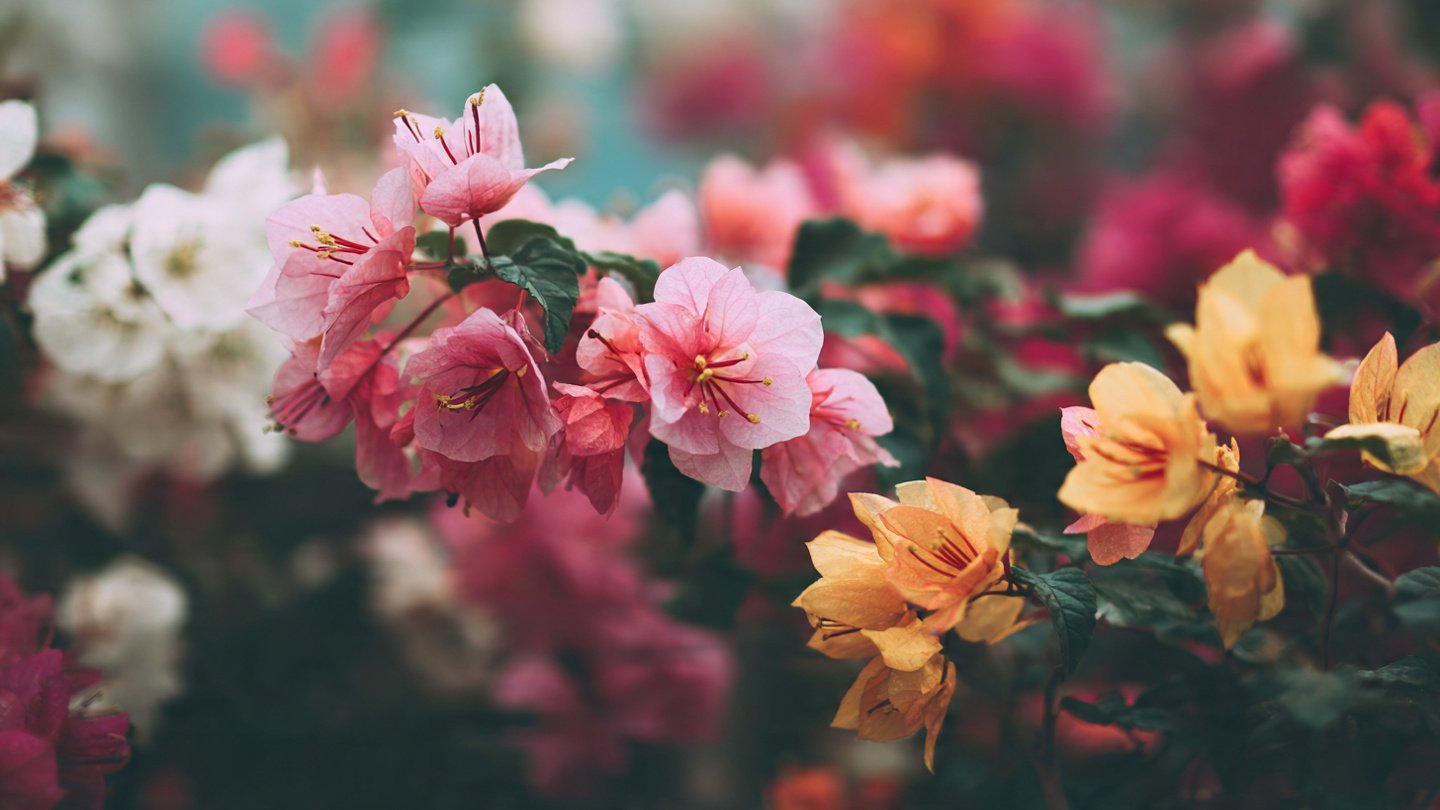
Gardening can be incredibly rewarding, but not everyone has the time, memory, or energy to tend to plants every day. For busy homeowners, apartment dwellers, or gardeners who travel frequently, low maintenance flowers are the perfect solution. These resilient blooms can survive periods of neglect while still providing vibrant colors, texture, and fragrance to your garden or balcony. If you want a garden that thrives with minimal effort, here are 11 low maintenance flowers that can tolerate forgetfulness while still brightening up any space.
1. Marigolds (Tagetes)
Marigolds are known for their vibrant orange, yellow, and red blooms and their exceptional resilience. They thrive in full sun and well-drained soil, tolerating periods of drought once established. Marigolds are also natural pest repellents, keeping insects like nematodes and aphids away from other plants. Simply water them occasionally and remove spent blooms to encourage new flowers. Their hardiness and cheerful colors make marigolds a favorite for beginner gardeners.
2. Zinnias (Zinnia elegans)
Zinnias are bright, cheerful flowers that bloom all summer long. They tolerate heat and drought well and require minimal attention. Plant them in full sun with moderately fertile soil, and they will reward you with vibrant blooms. Deadheading spent flowers encourages continuous flowering, but even without it, zinnias maintain their charm. They attract pollinators like butterflies and bees, adding life to your garden without extra work.
3. Coneflowers (Echinacea)
Coneflowers are hardy perennials that are extremely low maintenance. They can survive poor soil, drought, and even occasional neglect. Plant them in sunny spots, and they will produce large, daisy-like blooms that attract pollinators and butterflies. They are long-lasting, and their seeds can self-sow, allowing new plants to grow year after year with minimal intervention. Their sturdy stems make them ideal for cutting gardens or mixed borders.
4. Daylilies (Hemerocallis)
Daylilies are famous for their “set it and forget it” nature. They thrive in a wide range of soil conditions and tolerate drought well. Each bloom lasts only one day, but the plant produces many flowers over the season. Daylilies require little more than occasional watering during prolonged dry periods. Their dense foliage also helps suppress weeds, reducing maintenance further. With a variety of colors and sizes available, they can suit almost any garden style.
5. Lavender (Lavandula)
Lavender is a fragrant herbaceous perennial that doubles as a low maintenance ornamental flower. It prefers full sun, well-draining soil, and minimal water once established. Lavender is drought-tolerant, deer-resistant, and even attracts beneficial pollinators. Occasional pruning after blooming encourages bushy growth and prevents the plant from becoming woody, but it will still survive neglect. Its aroma and long-lasting blooms make it perfect for gardens, borders, or even container planting.
6. Black-eyed Susans (Rudbeckia hirta)
Black-eyed Susans are easy-to-grow perennials that thrive in poor soil and sunny conditions. Their bright yellow petals and dark centers add bold color to any garden. These flowers tolerate drought and require minimal care once established. Deadheading is optional, as the plants will continue to bloom without it. They also self-seed, providing new plants in the following seasons, making them an effortless addition to low-maintenance gardens.
7. Sedum (Stonecrop)
Sedums, or stonecrops, are succulent plants with fleshy leaves and star-shaped flowers. They are extremely drought-tolerant and can survive periods of neglect without problem. Sedums grow well in poor, rocky soil and full sun. They are ideal for rock gardens, borders, or container planting. Once established, sedums require virtually no care, and their flowers attract butterflies and bees, adding both color and ecological value to your garden.
8. Calendula (Pot Marigold)
Calendula is a hardy annual known for its bright orange and yellow blooms. It tolerates poor soil and irregular watering, making it perfect for forgetful gardeners. Calendula blooms continuously if deadheaded occasionally, but even without attention, it will still produce cheerful flowers. Beyond its ornamental value, calendula petals are edible and can be used in salads, teas, or DIY skincare projects, adding both beauty and functionality to your garden.
9. Coreopsis (Tickseed)
Coreopsis is a sun-loving perennial that produces bright yellow or pink blooms throughout the summer. These plants tolerate heat, drought, and poor soil, making them exceptionally low maintenance. Minimal watering is required once established, and they are resistant to most pests and diseases. Coreopsis is ideal for borders, wildflower gardens, or containers, providing long-lasting color with very little effort.
10. Petunias (Petunia × hybrida)
Petunias are versatile, vibrant flowers that can bloom in beds, hanging baskets, or containers. While they benefit from occasional deadheading, petunias are generally resilient and can survive periods of irregular care. They thrive in sunny locations with well-draining soil and are tolerant of heat. Petunias come in a variety of colors and patterns, making them perfect for gardeners who want maximum visual impact without extensive maintenance.
11. Nasturtiums (Tropaeolum majus)
Nasturtiums are both beautiful and edible, producing bright, cheerful flowers and edible leaves. They tolerate poor soil and dry conditions and can grow in sunny or partially shaded areas. Nasturtiums are excellent companion plants, repelling pests and attracting beneficial insects like pollinators. They require little care beyond occasional watering, and their trailing habit makes them perfect for hanging baskets, containers, or cascading along fences and trellises.
Why Low Maintenance Flowers Are Perfect for Forgetful Gardeners
Low maintenance flowers are more than just convenient—they are essential for gardeners who don’t have the time or memory to water, fertilize, and deadhead regularly. These plants are typically drought-tolerant, pest-resistant, and resilient in poor soil conditions. They can survive periods of neglect and still reward gardeners with vibrant blooms season after season.
Choosing low maintenance flowers reduces stress and allows gardeners to enjoy the beauty of a garden without feeling overwhelmed. It also makes gardening accessible to beginners, children, or people with busy lifestyles. With these hardy plants, you can create a colorful, thriving garden that requires minimal effort and attention.
Tips for Growing Low Maintenance Flowers Successfully
- Choose the Right Location: Even low maintenance flowers need appropriate sunlight. Most of these blooms thrive in full sun, but some, like nasturtiums, can tolerate partial shade.
- Use Well-Draining Soil: Many hardy flowers dislike waterlogged roots. Ensure containers or garden beds drain well to prevent rot.
- Mulch to Retain Moisture: A layer of mulch helps regulate soil temperature and moisture, reducing the frequency of watering.
- Water Deeply but Infrequently: Established low maintenance flowers often prefer deep watering at longer intervals rather than frequent shallow watering.
- Prune When Needed: While these flowers tolerate neglect, occasional pruning or deadheading can encourage more blooms and keep plants tidy.
Benefits Beyond Low Maintenance
Planting low maintenance flowers is not only convenient—it also provides ecological benefits. Many of these hardy blooms attract pollinators such as bees, butterflies, and hummingbirds. By supporting pollinators, you contribute to the health of local ecosystems while increasing the productivity of your own garden.
Additionally, these flowers often resist pests and diseases naturally, reducing the need for chemical interventions. This creates a safer and more sustainable garden environment for humans, pets, and wildlife alike.
Low maintenance flowers also offer seasonal color, texture, and fragrance, enhancing the aesthetic appeal of your garden year-round. They can be mixed with other plants to create vibrant borders, rock gardens, container arrangements, or wildflower patches.
Combining Plants for Maximum Effect
For a garden that truly thrives with minimal effort, consider mixing these hardy flowers. Combining different shapes, colors, and bloom times ensures continuous visual interest. For example, plant marigolds and zinnias together for summer brightness, coneflowers and black-eyed Susans for midseason appeal, and sedums for late-season color.
Grouping low maintenance flowers in clusters can also simplify care. Plants with similar water and sunlight requirements can be watered and positioned together, making your gardening routine more efficient.
Conclusion
Gardening doesn’t have to be complicated or stressful. By choosing low maintenance flowers like marigolds, zinnias, coneflowers, daylilies, lavender, black-eyed Susans, sedum, calendula, coreopsis, petunias, and nasturtiums, you can create a vibrant, thriving garden with minimal effort. These hardy blooms survive periods of neglect, tolerate poor soil, resist pests, and provide continuous color and interest.
Whether you are a busy professional, a beginner gardener, or someone who simply prefers to enjoy the beauty of nature without intensive labor, these 11 low maintenance flowers are perfect for your garden. With proper placement, occasional watering, and a little creativity, you can design a flourishing garden that rewards you with flowers, pollinators, and natural beauty—even if you occasionally forget to care for it.
By incorporating these hardy plants, your garden becomes a sustainable, low-stress sanctuary, proving that beautiful blooms don’t require constant attention. These flowers are proof that resilience, beauty, and convenience can coexist in every gardener’s paradise.