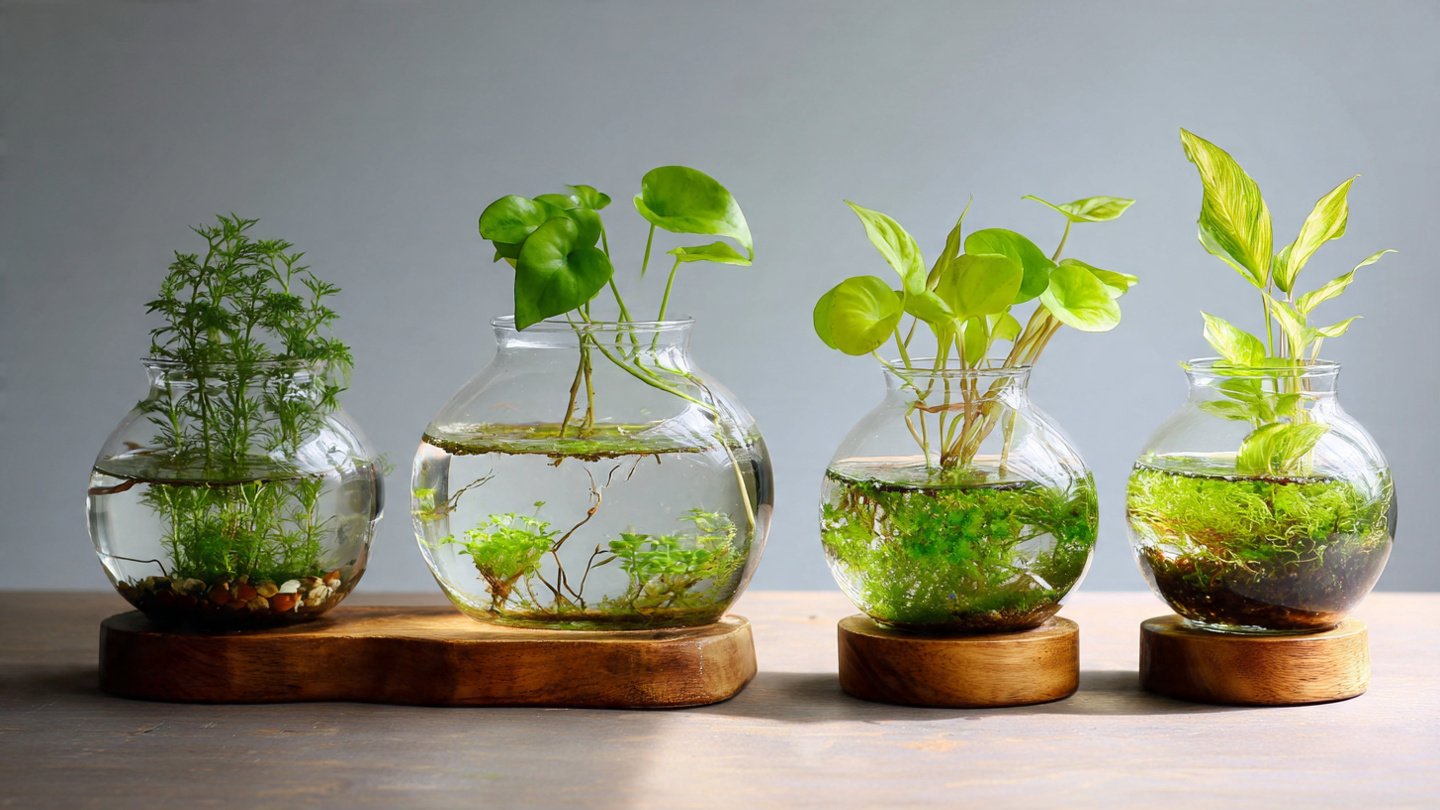
Indoor gardening is evolving beyond traditional potted plants. One of the most exciting trends taking homes by storm is floating plants. These ethereal, easy-to-maintain plants can transform your space, adding a sense of airiness, natural beauty, and even improved air quality. Unlike conventional houseplants that rely on soil, floating plants thrive in water, making them perfect for small apartments, minimalist interiors, or anyone looking to experiment with unique greenery.
Here’s a guide to 11 indoor floating plants that can effortlessly elevate your home décor and bring a touch of serenity to your living spaces.
1. Water Lettuce (Pistia stratiotes)
Water lettuce is a delicate floating plant with soft, velvety leaves that resemble a miniature head of lettuce. Its light green rosettes can float effortlessly on the surface of aquariums, glass bowls, or small indoor water gardens.
Benefits:
- Helps filter water by absorbing excess nutrients.
- Provides a natural habitat for small aquatic creatures if you have a fish tank.
- Adds a calming, tropical vibe to your indoor water feature.
Care Tips: Keep it in bright, indirect light and ensure the water surface remains clean to prevent decay.
2. Duckweed (Lemna minor)
Duckweed is one of the smallest floating plants, often used in aquariums and indoor water features. Despite its tiny size, it spreads quickly, creating a lush green carpet on the water’s surface.
Benefits:
- Improves water quality by absorbing excess nutrients.
- Easy to propagate and virtually maintenance-free.
- Can add a whimsical, moss-like texture to your indoor water décor.
Care Tips: Moderate indirect sunlight and occasional thinning to prevent overcrowding.
3. Water Hyacinth (Eichhornia crassipes)
Water hyacinth is known for its striking lavender flowers and bulbous green leaves. It’s a floating plant that can thrive indoors in water bowls or larger containers.
Benefits:
- Produces beautiful blooms that brighten indoor water features.
- Helps oxygenate water for fish or aquatic pets.
- Adds a bold, tropical flair to home décor.
Care Tips: Needs bright, indirect sunlight. Remove yellowing leaves to keep it healthy.
4. Frogbit (Hydrocharis morsus-ranae)
Frogbit has small, round leaves resembling lily pads, making it a charming addition to any indoor water setup. It floats effortlessly and can multiply quickly, creating a dense floating layer.
Benefits:
- Provides shade and shelter for aquatic life in indoor ponds.
- Reduces algae growth by limiting sunlight penetration.
- Its soft, circular leaves create a playful, natural look.
Care Tips: Bright, indirect light is ideal. Keep water clean and nutrient levels balanced.
5. Salvinia (Salvinia natans)
Salvinia, or water spangles, is a small, fern-like floating plant. It’s perfect for shallow containers, tabletop water gardens, or aquariums.
Benefits:
- Controls algae growth by shading the water surface.
- Adds a soft, textured layer to your indoor water display.
- Easy to care for and propagates rapidly.
Care Tips: Keep water clean and provide indirect sunlight. Avoid overcrowding to maintain airflow around each plant.
6. Amazon Frogbit (Limnobium laevigatum)
Amazon Frogbit is similar to traditional frogbit but larger and more robust. It creates a lush green mat on the water surface, perfect for decorative bowls or aquariums.
Benefits:
- Helps filter and oxygenate water.
- Provides natural shelter for aquatic creatures.
- Adds a full, tropical look indoors.
Care Tips: Prefers bright, filtered light. Trim leaves regularly to prevent excessive coverage.
7. Marimo Moss Ball (Aegagropila linnaei)
Marimo moss balls are unique, spherical floating plants that are both decorative and low-maintenance. They roll gently with water movement, creating a captivating display.
Benefits:
- Extremely easy to care for — just rinse and rotate occasionally.
- Absorbs pollutants and improves water quality.
- Adds a playful, modern aesthetic to aquariums or glass bowls.
Care Tips: Low to moderate indirect light is sufficient. Keep them in cool water and occasionally roll to maintain their shape.
8. Pennywort (Hydrocotyle leucocephala)
Pennywort is a charming floating plant with round leaves that resemble coins. Its trailing stems can create cascading effects if placed in taller containers or aquariums.
Benefits:
- Can be grown floating or partially submerged.
- Provides natural shade and shelter for small fish.
- Adds a whimsical, leafy charm to your indoor garden.
Care Tips: Bright, indirect light encourages lush growth. Trim regularly to prevent overgrowth.
9. Water Sprite (Ceratopteris thalictroides)
Water sprite is a versatile floating fern that can thrive both as a floating plant and fully submerged. Its delicate, feathery foliage adds a soft, ethereal quality to water displays.
Benefits:
- Offers a natural hiding place for small aquatic pets.
- Can grow quickly to create a dense floating layer.
- Provides a lush, airy aesthetic perfect for minimalist indoor gardens.
Care Tips: Bright indirect light works best. Remove dead leaves to keep the plant healthy.
10. Floating Heart (Nymphoides aquatica)
Floating heart produces heart-shaped leaves that float gracefully on the water’s surface. During warmer months, it may also bloom small, yellow flowers, adding a delicate touch to your indoor water feature.
Benefits:
- Adds visual interest with unique leaf shapes.
- Can bloom indoors with adequate light, enhancing décor.
- Helps shade water and reduce algae growth.
Care Tips: Needs moderate indirect sunlight. Keep the water nutrient-rich but not stagnant.
11. Red Root Floater (Phyllanthus fluitans)
Red root floater is an eye-catching floating plant with reddish stems and roots that dangle into the water, creating a dramatic contrast against green leaves or water surfaces.
Benefits:
- Provides a pop of color in indoor water gardens.
- Adds texture and movement to aquariums or bowls.
- Easy to propagate and low-maintenance.
Care Tips: Bright indirect light promotes vibrant color. Keep water clean and slightly nutrient-rich.
Why Choose Floating Plants for Your Home?
Floating plants offer more than just aesthetic appeal. Here’s why they’re becoming a must-have in modern indoor gardening:
- Minimal Maintenance: Most floating plants require no soil, reducing the risk of pests and eliminating the need for heavy pots.
- Improved Air and Water Quality: They help absorb excess nutrients, reduce algae growth in aquariums, and even increase humidity slightly in dry indoor spaces.
- Space Efficiency: Floating plants take advantage of water surfaces, making them ideal for small homes or apartments.
- Visual Appeal: They introduce movement, texture, and natural elegance, enhancing the overall ambiance of your living space.
- Therapeutic Value: Watching floating plants gently move with water can be relaxing, reducing stress and creating a peaceful atmosphere.
Tips for Incorporating Floating Plants Indoors
- Choose the Right Container: Glass bowls, aquariums, or small water gardens work well. Transparent containers let you enjoy the beauty of both roots and leaves.
- Control Water Quality: Change water regularly to prevent stagnation and promote healthy plant growth.
- Provide Adequate Light: Most floating plants thrive in bright, indirect sunlight. Too much direct sunlight can scorch leaves, while too little slows growth.
- Combine with Other Decor: Floating plants pair beautifully with pebbles, driftwood, or LED water lighting to create a modern, serene display.
- Rotate and Prune: Trim dead leaves and thin plants when necessary to prevent overcrowding and ensure continued growth.
Conclusion
Floating plants are revolutionizing indoor gardening. From velvety water lettuce to the playful Marimo moss ball, these plants are versatile, low-maintenance, and visually stunning. By introducing floating greenery into your home, you not only enhance the aesthetic appeal but also create a calming, natural environment that promotes wellbeing.
Whether you have a tiny apartment, a minimalist home, or a full-scale indoor garden, floating plants offer a creative way to bring nature indoors. By experimenting with combinations, containers, and plant varieties, you can design a unique, tranquil space that feels alive and refreshing all year round.
If you haven’t explored floating plants yet, now is the perfect time. Transform your home, elevate your décor, and immerse yourself in the serene beauty of these aquatic wonders.