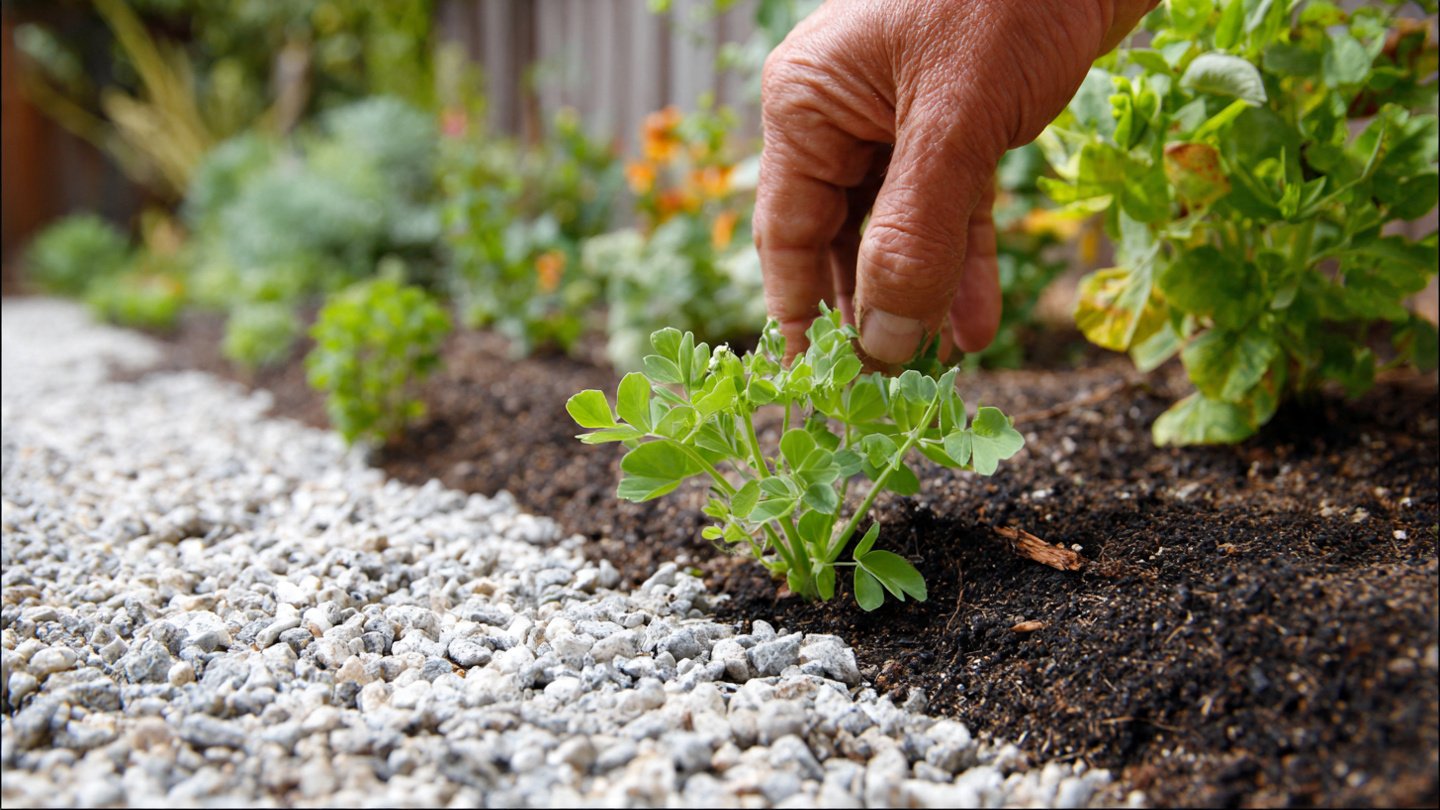
Pea gravel is a popular choice for garden paths, patios, driveways, and decorative landscaping. Its smooth texture, natural look, and affordability make it ideal for both functional and aesthetic purposes. However, one persistent problem many homeowners face is weeds growing through the gravel, turning a neat, low-maintenance surface into a frustrating chore. If you’ve ever pulled weeds from pea gravel only to watch them reappear within days, you know how discouraging it can be. Fortunately, there are proven strategies to prevent weeds and maintain a pristine pea gravel surface, saving time and keeping your landscape looking clean.
Understanding Why Weeds Thrive in Pea Gravel
Before exploring prevention strategies, it’s important to understand why weeds often thrive in pea gravel. While gravel itself is not fertile, it doesn’t completely eliminate the potential for plant growth. Weeds can germinate and grow for several reasons:
- Soil underneath: Pea gravel is often laid over soil, sand, or a substrate that contains weed seeds. These seeds remain dormant until moisture, sunlight, and nutrients trigger germination.
- Moisture retention: Gravel can trap rainwater or irrigation runoff, creating a damp environment where seeds can sprout.
- Wind and wildlife: Weed seeds can be carried by wind, birds, or animals, depositing new seeds directly onto your gravel.
- Organic debris accumulation: Leaves, grass clippings, or mulch that settle on the gravel can decompose, creating small pockets of soil where weeds can take root.
Understanding these causes highlights why simply pulling weeds or rinsing gravel is usually a temporary solution. To stop weeds permanently, a combination of preventive measures and proper installation techniques is necessary.
1. Start With a Weed Barrier
The single most effective way to prevent weeds in pea gravel is installing a high-quality weed barrier fabric. This layer acts as a physical barrier, stopping weeds from emerging from the soil beneath while still allowing water to drain.
When installing a weed barrier:
- Clear the area first: Remove existing weeds, roots, and debris. Level the soil to create a stable base.
- Lay the fabric correctly: Roll out landscaping fabric over the entire area, overlapping seams by at least 6 inches to prevent gaps.
- Secure the fabric: Use landscape staples or pins to hold the fabric in place, especially along edges.
A properly installed weed barrier can dramatically reduce weed growth for years. It is important to select a fabric designed for landscaping and heavy-duty use, as cheaper options may tear or degrade over time.
2. Use the Right Depth of Pea Gravel
Even with a weed barrier, the depth of gravel matters. Shallow gravel is more prone to weeds, as seeds can find their way through gaps. Experts recommend a depth of 2 to 3 inches for most applications.
- Less than 2 inches: Seeds can easily penetrate and establish roots in underlying soil.
- More than 3 inches: Gravel may become unstable, making walking paths or patios uneven.
A proper depth ensures that seeds are less likely to reach soil and establishes a dense, self-shading layer that discourages sunlight from reaching potential weed seeds.
3. Edge Your Gravel Areas
Weeds often creep in from surrounding garden beds, lawns, or cracks along pathways. Installing physical edging around your gravel area prevents encroachment and gives the area a neat, contained appearance.
Common edging options include:
- Metal or plastic strips: These create a clean, invisible barrier and are long-lasting.
- Brick or stone borders: Decorative and functional, they prevent grass and weeds from spilling into the gravel.
- Concrete curbs: Ideal for driveways or heavy-traffic areas, providing a permanent boundary.
By defining the gravel’s boundaries, you reduce the chance of weeds migrating from nearby soil into the gravel area.
4. Remove Debris Regularly
Even the best-prepared gravel can attract weeds if organic debris accumulates. Leaves, twigs, grass clippings, and wind-blown soil create pockets of fertile material that weeds love.
To minimize this:
- Rake or sweep gravel surfaces regularly: This removes debris before it decomposes.
- Blow with a leaf blower: Quick and effective for larger areas, ensuring no debris stays trapped.
- Inspect after storms or wind: Heavy rain or wind can deposit seeds and soil onto your gravel.
Keeping the gravel clean reduces the opportunity for weeds to take hold, complementing other preventive measures like barriers and edging.
5. Apply Natural or Chemical Weed Control
For added protection, consider preventive weed control products. There are both natural and chemical options, each with benefits and considerations:
- Natural options: Corn gluten meal can prevent weed seeds from germinating. Vinegar-based sprays can kill young weeds but may need repeated applications.
- Chemical herbicides: Pre-emergent herbicides create a barrier that stops seeds from sprouting. Post-emergent herbicides can target weeds that already appear.
If using chemicals, follow safety instructions carefully to avoid harming nearby plants or pets. For sustainable and eco-conscious gardeners, natural methods combined with good installation practices often suffice to keep weeds at bay.
6. Consider Layering With Sand or Fine Gravel
Some experts recommend adding a layer of fine sand or smaller gravel under the pea gravel. This creates a dense, compacted surface that is harder for weeds to penetrate while improving drainage.
- Spread a 1-inch layer of sand over the weed barrier before adding pea gravel.
- Level and compact the sand to create a uniform base.
- Add pea gravel on top and rake evenly.
This dual-layer system discourages weeds, reduces shifting of the gravel, and makes maintenance easier.
7. Maintain Your Gravel Surface
Even after installation, your gravel needs ongoing care to remain weed-free. Key maintenance tips include:
- Raking periodically: Keeps gravel level, prevents compaction, and disrupts early weed growth.
- Top up gravel when necessary: Over time, gravel may thin due to use or erosion. Adding a new layer reinforces depth and prevents weed seeds from reaching the soil.
- Check for damage to weed barrier: Heavy use or digging can tear the fabric. Repair or replace sections as needed.
A small amount of seasonal attention ensures your gravel area remains attractive and low-maintenance.
8. Patience and Persistence
Stopping weeds in pea gravel is rarely a “set it and forget it” project. Even with barriers, edging, and proper gravel depth, some weeds may appear over time. The key is consistent monitoring and quick removal.
- Pull weeds promptly: Early removal prevents seeds from spreading.
- Spot treat problem areas: Use natural sprays or herbicides on persistent weeds.
- Reinforce prevention measures: Replace gravel, repair edging, and maintain the barrier as needed.
With persistence, you can dramatically reduce weed growth and eventually achieve a nearly weed-free pea gravel surface.
Conclusion
Weeds in pea gravel can be a frustrating problem, but with proper planning, installation, and maintenance, they don’t have to dominate your outdoor space. Key strategies include installing a durable weed barrier, maintaining proper gravel depth, edging your gravel area, removing organic debris, applying preventive treatments, and monitoring your garden consistently.
By combining these expert tips, you can create a beautiful, low-maintenance pea gravel landscape that remains functional and visually appealing year-round. Whether it’s a pathway, patio, or decorative bed, a little effort upfront ensures long-term satisfaction and eliminates the constant battle with invasive weeds.
Pea gravel is meant to be a low-maintenance alternative to grass or paved surfaces, and with the right approach, you can finally enjoy your gravel areas weed-free and stress-free.
Remember, preventing weeds is easier than controlling them once established. Start with a solid base, maintain depth and cleanliness, and reinforce boundaries. Over time, these measures will pay off, giving you a durable and attractive pea gravel landscape that looks effortless and inviting.