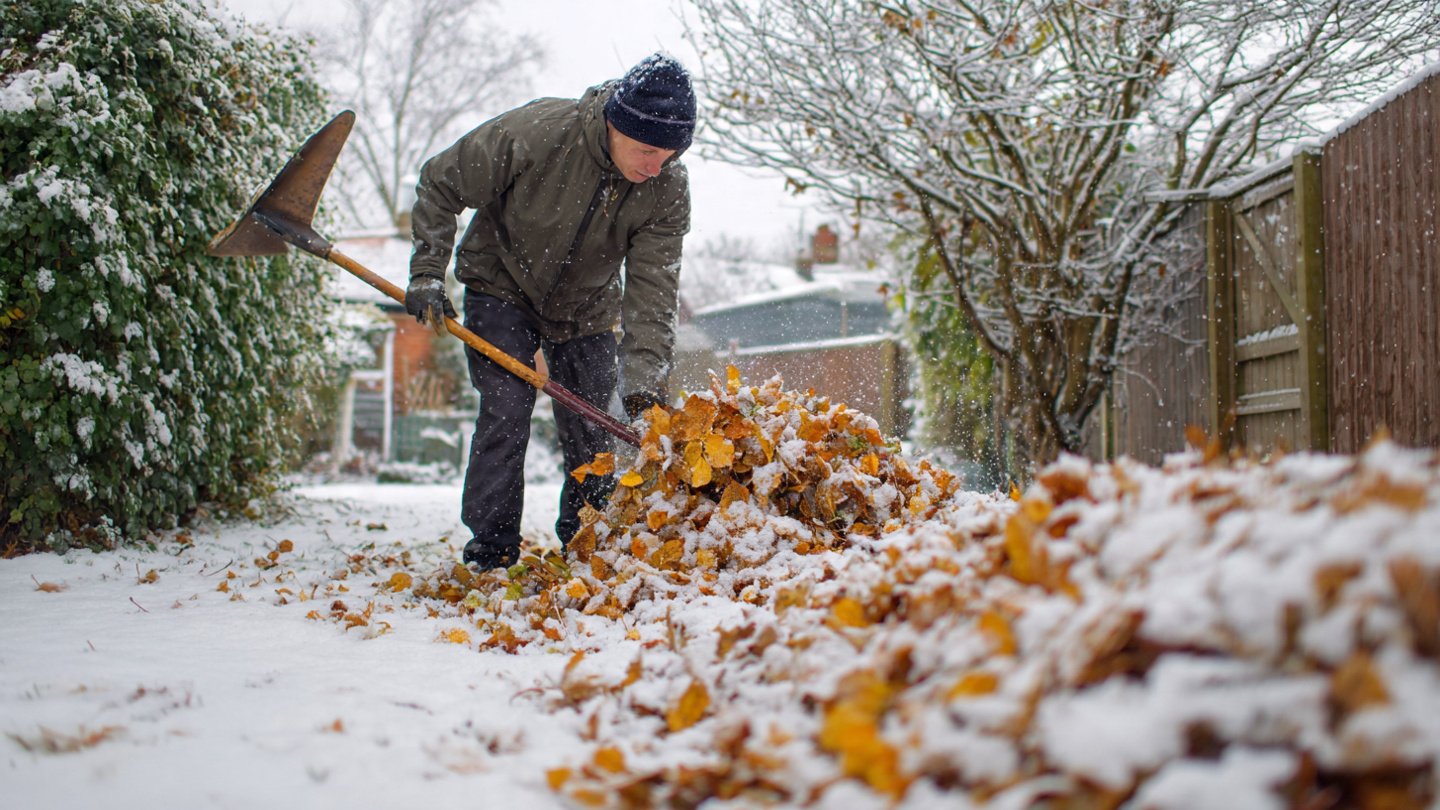
As the days grow shorter and frost begins to dust the edges of your garden, it’s easy to assume that your gardening season is over. Many homeowners put away their tools, retire their gloves, and settle in for months of hibernation. However, a well-maintained garden doesn’t truly rest in winter—it simply shifts focus. Performing certain chores during the colder months can save you time, effort, and disappointment come spring. Here are five essential winter garden chores that are worth your attention, even when your garden seems dormant.
1. Clean Up and Prune Perennials
Winter is the perfect time for cleanup and pruning. Many perennials and shrubs may look lifeless, but their structure remains, and careful pruning encourages healthier growth in spring. Dead stems, wilted leaves, and diseased foliage should be removed promptly. Not only does this improve the appearance of your garden, but it also reduces the risk of pests and disease lingering until the warmer months.
Pruning techniques depend on the plant type. For example, woody perennials like hydrangeas can benefit from removing old stems to encourage stronger new growth. Fruit trees, meanwhile, respond well to light pruning, which helps improve air circulation and sunlight penetration, enhancing the fruit yield in the next season. Avoid heavy pruning of plants that bloom in early spring, as cutting them too late may remove buds that are already forming.
Cleaning up your garden beds is also crucial. Rake fallen leaves, remove spent annuals, and tidy borders. While some gardeners prefer leaving leaves as natural mulch for wildlife, piles of decaying foliage can harbor fungal diseases, so a balance between sheltering beneficial insects and maintaining garden hygiene is essential.
2. Protect Vulnerable Plants
Winter weather can be harsh, especially for tender plants not suited to low temperatures. Frost, snow, and icy winds can damage leaves, stems, and roots, potentially killing plants if they are not adequately protected. A little preventive action now can save you from costly replacements in spring.
Methods for protection include:
- Mulching: Applying a thick layer of mulch around plant bases insulates roots and retains soil warmth. Materials like bark, straw, and shredded leaves are excellent options.
- Frost cloths or covers: Lightweight fabric covers can shield sensitive plants from frost without suffocating them. Avoid plastic directly on foliage, as it can trap moisture and cause freezing damage.
- Relocating potted plants: Move tender pots into sheltered areas, such as unheated greenhouses, garages, or sunrooms, to avoid frost exposure.
Even evergreen shrubs, which may seem hardy, benefit from winter care. Cold winds can desiccate their foliage, leaving brown tips in spring. Wrapping them in breathable fabric or building temporary windbreaks helps prevent such damage.
3. Plan for Spring
Winter is not just a time for maintenance—it’s also an opportunity to strategically plan your garden for the coming season. A few hours of winter planning can make spring planting smoother and more productive.
Start by assessing your garden layout. Are there areas where plants struggled this past year? Would you like to introduce new varieties or change the color scheme? Take note of these considerations and create a planting map or journal. You can also research plants suited to your climate, soil type, and sunlight exposure.
Seed planning is another critical winter task. Many gardeners order seeds months in advance to ensure availability. Starting a seed journal during winter—listing desired plants, germination times, and ideal sowing dates—can prevent last-minute stress when spring arrives.
Planning now allows you to consider crop rotation if you grow vegetables. This prevents soil depletion and reduces the risk of pests and disease. Even ornamental gardens benefit from thoughtful winter planning, as it gives you time to source hard-to-find plants, garden structures, or containers before the busy season begins.
4. Prepare Soil and Compost
Although the ground may be cold and wet, winter is still an ideal time to improve soil health and work on composting. Winter garden chores focused on soil preparation lay the foundation for a successful growing season.
Soil improvement: Spread compost, well-rotted manure, or organic fertilizers over garden beds. Over winter, these amendments integrate into the soil naturally, enriching it for spring planting. Lightly turning the soil or aerating compacted areas ensures nutrients penetrate evenly. Avoid heavy digging in frozen soil, which can damage soil structure.
Composting: Winter is a slower season for composting, but adding kitchen scraps, shredded leaves, and pruned plant material helps maintain a steady supply of compost for spring. Consider using a covered compost bin to protect it from rain and snow while keeping it aerated. By the time warmer weather arrives, you’ll have nutrient-rich compost ready to rejuvenate your garden beds.
Additionally, winter is a good time to test your soil’s pH and nutrient levels. Simple home testing kits or professional analysis can guide amendments needed for specific plants, ensuring optimal growth and reducing the need for chemical fertilizers later.
5. Maintain Tools and Garden Equipment
Winter is the perfect season to care for your tools, so they are ready when the growing season resumes. Proper maintenance extends the lifespan of garden equipment and ensures efficiency.
- Cleaning: Remove dirt, sap, and debris from pruners, shovels, rakes, and trowels. This prevents rust and keeps cutting edges sharp.
- Sharpening: Pruning shears, loppers, and blades should be sharpened to maintain clean cuts, which reduce plant stress and disease risk.
- Lubrication: Oil moving parts of tools, including hinges and blades, to prevent rust and ensure smooth operation.
- Storage: Store tools in a dry, sheltered area to prevent corrosion. Winter is also an ideal time to inventory what you have, repair broken handles, and replace worn-out items.
Maintaining irrigation systems is equally important. Drain hoses, sprinkler lines, and drip systems to prevent freezing damage. Covering faucets and pumps reduces the risk of cracks from ice expansion. By taking these steps, you minimize springtime emergencies and enjoy a smooth start to the growing season.
Additional Winter Garden Tips
Beyond these five essential chores, a few extra tasks can enhance winter garden health:
- Encourage wildlife: Birds and beneficial insects can support your garden. Installing feeders, nesting boxes, or insect hotels helps them survive winter and return in spring.
- Monitor pests: Some pests, like slugs or certain fungi, can overwinter in your garden. Regular inspection and removal of affected leaves or debris can prevent infestations.
- Decorate with purpose: Winter gardens don’t have to be dull. Evergreens, winter-blooming flowers, and decorative branches can bring structure, color, and interest, maintaining visual appeal during the cold months.
Winter gardening is not just about survival—it’s about preparation, protection, and planning. By paying attention to your garden during this quieter season, you set the stage for a thriving, beautiful spring garden.
Conclusion
Just because your garden looks dormant in winter doesn’t mean it’s truly at rest. By performing essential chores such as cleaning and pruning perennials, protecting vulnerable plants, planning for spring, preparing soil and compost, and maintaining tools, you ensure a healthier and more vibrant garden come spring.
These tasks might seem minor compared to the excitement of planting and harvesting, but their impact is long-lasting. A little attention in winter reduces spring workload, prevents disease, and improves the overall resilience of your garden. Think of winter not as the end of gardening but as an opportunity for preparation, reflection, and strategic planning.
When spring arrives, you’ll be ready—not scrambling, not improvising, but confidently planting, nurturing, and enjoying a garden that has been carefully tended all year round. By embracing winter chores, you not only preserve the life and beauty of your garden but also cultivate a sense of satisfaction and accomplishment that extends well beyond the first frost.
Winter gardening might require patience, but it rewards foresight. The chores may be simple, but their benefits are immense. Even in the coldest months, your garden can thrive with your attention, setting the stage for a successful and flourishing season ahead.