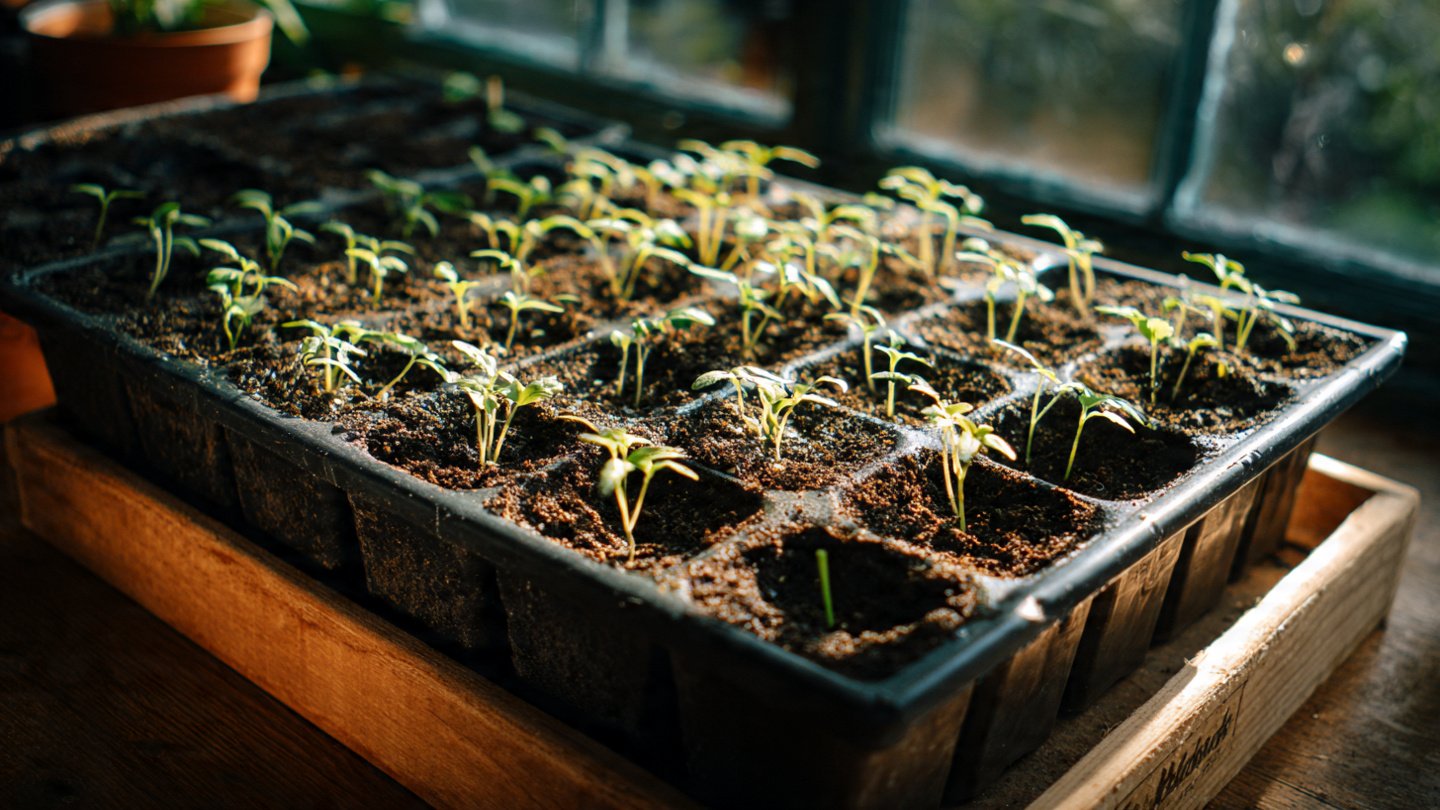
Gardening in winter can feel impossible. Short days, low temperatures, and limited sunlight make growing plants outdoors challenging. Yet, with a bit of planning, determination, and the right setup, winter can be the perfect season to start seeds indoors. Seed starting under lights allows gardeners to grow vegetables, herbs, and flowers ahead of spring, ensuring a head start for a bountiful garden. By understanding the techniques, equipment, and timing involved, anyone can jumpstart their winter garden successfully.
Why Start Seeds Indoors in Winter?
Winter seed starting is an essential strategy for gardeners who want early harvests. Many vegetables, such as tomatoes, peppers, and eggplants, require a long growing season to mature. Waiting until spring to sow seeds outdoors can shorten the growing window, reducing yield and delaying harvests.
Starting seeds indoors under artificial light provides a controlled environment where warmth, moisture, and light are optimized. This encourages faster germination, stronger seedlings, and a higher success rate compared to direct outdoor sowing in cold or low-light conditions.
Selecting Seeds for Winter Indoor Growing
Not all seeds perform equally well indoors in winter. Leafy greens like lettuce, spinach, kale, and arugula are excellent choices because they germinate quickly and tolerate cooler temperatures. Herbs such as basil, parsley, cilantro, and chives also grow well under artificial light, providing fresh greens even during the darkest months.
Vegetables with long maturation periods, such as tomatoes, peppers, and eggplants, benefit greatly from indoor seed starting. By the time outdoor planting is possible, seedlings are strong, healthy, and ready to thrive in the garden.
Flower seeds, including marigolds, petunias, and zinnias, can also be started under lights during winter. This allows for early blooms and extends the flowering season once plants are transplanted outdoors.
Choosing the Right Containers
Seed-starting containers come in various shapes and sizes, from small plastic trays and cell packs to repurposed cups or shallow pots. The goal is to provide enough space for root development while maintaining manageable moisture levels.
Shallow trays work well for small seeds, while deeper cells accommodate plants with larger root systems, such as tomatoes or peppers. Proper drainage is essential to prevent waterlogging, which can lead to damping-off disease—a common fungal problem that kills seedlings at the base.
Reusing containers is possible, but thorough cleaning and sterilization are necessary to eliminate pathogens that may harm young plants.
Selecting a Growing Medium
Seedlings require a light, well-draining medium. Commercial seed-starting mixes are ideal because they are sterile, finely textured, and retain moisture without becoming compacted. Avoid using garden soil, which can harbor diseases and pests and may impede root growth.
A good seed-starting mix often contains a combination of peat moss, coconut coir, and perlite or vermiculite. These components provide aeration, retain water, and support healthy root development. Moisture should be evenly distributed but not soggy, as excessive water reduces oxygen availability for delicate roots.
Providing Adequate Light
One of the most critical factors for winter seed starting is light. In low-light winter conditions, relying solely on windows is usually insufficient. Seedlings need 12 to 16 hours of light daily to grow strong stems, vibrant leaves, and healthy roots.
Fluorescent, LED, or specialized grow lights work well for winter seed starting. Adjustable-height lights allow seedlings to receive consistent intensity as they grow. Placing the lights 2 to 4 inches above the seedlings helps prevent leggy, weak growth, which occurs when plants stretch toward insufficient light.
Timers are useful for maintaining a consistent light schedule. Overexposure is generally less harmful than underexposure, but balancing light duration prevents stress and encourages uniform development.
Maintaining Optimal Temperature
Temperature control is equally important. Most seeds germinate best in warm conditions, typically between 65°F and 75°F (18°C to 24°C). Bottom heat, such as seedling mats, can encourage faster germination by warming the soil while preventing leaves from overheating.
After germination, cooler temperatures around 60°F to 70°F (15°C to 21°C) support sturdy growth. Avoid placing seedlings near drafts, heaters, or cold windows, as fluctuating temperatures can slow development or cause stress.
Watering and Humidity
Seedlings are sensitive to both overwatering and underwatering. The growing medium should remain consistently moist but not waterlogged. Using a gentle spray bottle or watering can with a fine spout helps prevent soil disturbance and root damage.
Humidity can aid germination and reduce water loss from seedlings. Covering trays with clear domes or plastic wrap retains moisture until seedlings emerge. Once true leaves appear, removing the cover prevents excessive humidity that could foster fungal disease.
Thinning and Transplanting
Once seedlings develop their first set of true leaves, thinning may be necessary to ensure strong, healthy plants. Crowded seedlings compete for light, nutrients, and water, resulting in weaker plants. Select the strongest seedlings and remove the smaller ones carefully.
When seedlings grow large enough to handle, they may be transplanted into individual pots to continue developing. This step provides additional root space and prevents root entanglement, improving survival rates when moved outdoors.
Hardening Off Seedlings
Before transferring seedlings to outdoor conditions, they must undergo a process called hardening off. Gradually exposing plants to outdoor temperatures, sunlight, and wind strengthens their resilience. Start with a few hours outdoors daily, gradually increasing exposure over one to two weeks.
Hardening off reduces transplant shock and improves the ability of seedlings to withstand the natural fluctuations of spring weather, such as wind, temperature swings, and rain.
Fertilization for Indoor Seedlings
Seedlings benefit from light feeding once true leaves develop. Diluted liquid fertilizers or water-soluble nutrient solutions provide essential nitrogen, phosphorus, and potassium for healthy growth. Overfertilization can burn tender roots and leaves, so applying a gentle, balanced feed is recommended.
Maintaining proper nutrition during winter growth ensures that seedlings emerge strong and prepared for transplanting into garden beds or larger containers.
Common Problems and How to Avoid Them
Several issues can arise during winter seed starting. Leggy seedlings are typically caused by insufficient light. Damping-off disease results from overly wet conditions, poor ventilation, or contaminated soil. Yellowing leaves may indicate nutrient deficiency, water stress, or temperature fluctuations.
Addressing problems promptly, maintaining clean trays and tools, and observing seedlings daily helps prevent major setbacks. Regular adjustments to light, temperature, and watering can make a significant difference in success rates.
Advantages of Winter Seed Starting
Starting seeds under lights in winter offers numerous advantages. It extends the growing season, allowing gardeners to enjoy earlier harvests and more productive crops. It also provides greater control over plant varieties, enabling the selection of rare or specialty seeds not commonly available as seedlings in stores.
Additionally, indoor seed starting fosters engagement and learning. Gardeners develop a deeper understanding of plant needs, timing, and environmental factors, which translates to more success when plants are transplanted outdoors.
Expanding the Winter Garden
Once the basics of seed starting under lights are mastered, gardeners can expand their winter garden to include a variety of vegetables, herbs, and flowers. Combining fast-growing crops like lettuce and radishes with slower-growing tomatoes and peppers allows for continuous harvests and maximizes the use of indoor space.
Creative use of vertical shelving, multiple light setups, and staggered planting schedules can transform a small indoor area into a productive winter garden capable of supplying fresh produce year-round.
Conclusion
Winter seed starting under lights is a game-changer for gardeners who want to make the most of the growing season. By providing warmth, moisture, and consistent light, indoor seed starting creates ideal conditions for strong, healthy seedlings that will thrive when transplanted outdoors.
With careful attention to seed selection, containers, soil, light, temperature, and watering, gardeners can overcome the challenges of short winter days. Hardening off and proper fertilization further ensure seedlings transition successfully into garden beds.
Jumpstarting your garden in winter not only extends the growing season but also cultivates skills, knowledge, and confidence. By harnessing the power of seed starting under lights, you can enjoy earlier harvests, vibrant plants, and a productive spring, proving that winter is not a time to pause—it is a time to prepare, nurture, and grow.