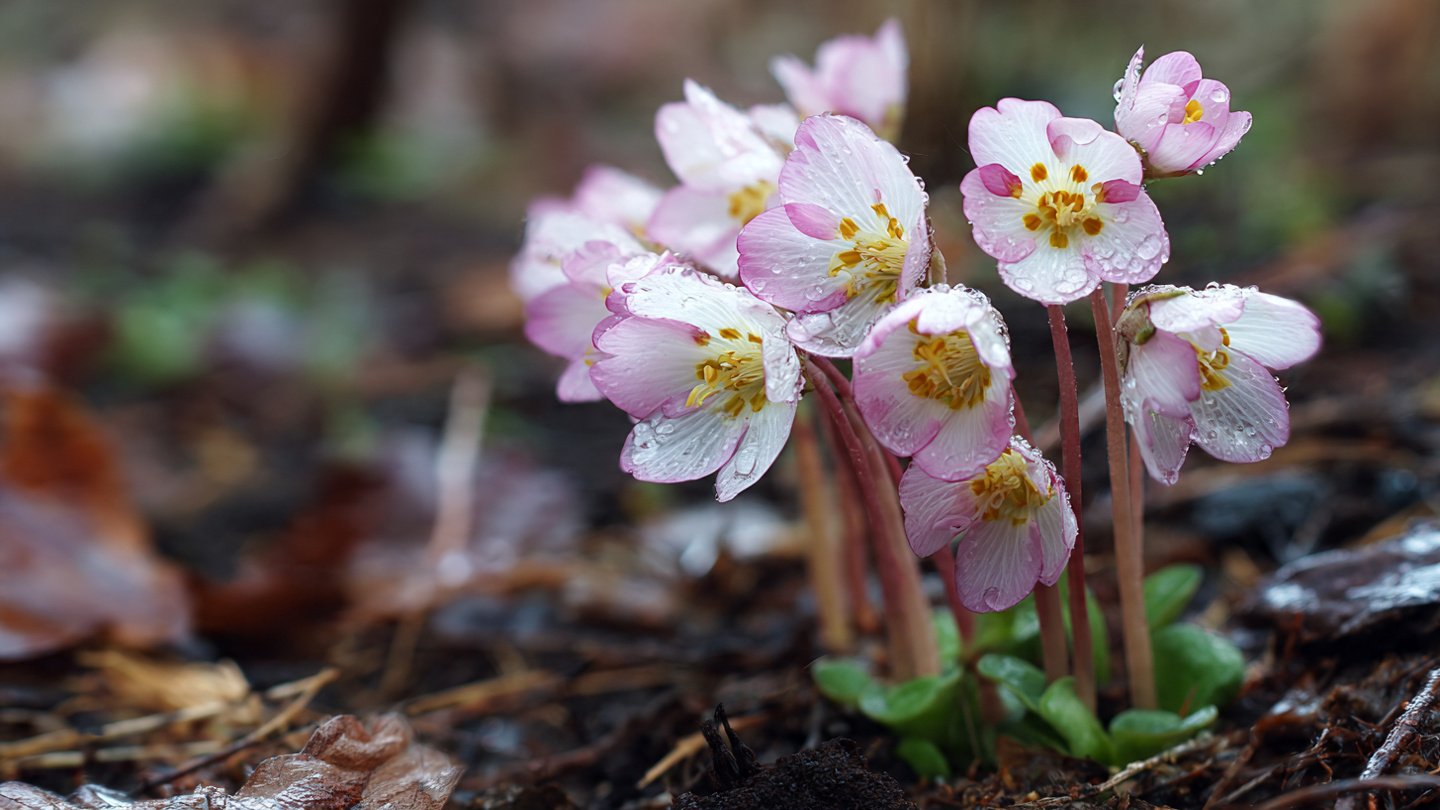
Spring is a season of renewal, and nothing captures its fleeting beauty better than early-blooming spring ephemerals. These plants are among the first to emerge after the thaw of winter, bringing vibrant color, delicate fragrances, and life back to gardens, woodland areas, and natural landscapes. Their name, “ephemeral,” reflects their short-lived nature—most bloom for only a few weeks before retreating underground, conserving energy for the next year. Despite their brief appearance, spring ephemerals play a critical ecological role, providing early nectar and pollen for pollinators while creating stunning displays for gardeners to enjoy.
For those looking to celebrate the first signs of spring, planting or spotting early-blooming ephemerals offers both aesthetic pleasure and a connection to the natural rhythm of the seasons. Here are the top ten spring ephemeral plants that consistently herald the arrival of warmer days.
1. Bloodroot (Sanguinaria canadensis)
Bloodroot is a striking woodland plant native to North America. Its delicate white flowers appear in early spring, often before the leaves are fully developed. Each flower has a golden center and rises on a slender stem above lobed, bluish-green foliage.
The plant derives its name from the red sap found in its rhizomes. Bloodroot thrives in shaded woodland gardens with moist, well-draining soil. Beyond its ornamental appeal, it is an important nectar source for early pollinators such as bees. Its ephemeral blooms last just a couple of weeks, making its brief presence all the more special.
2. Trillium (Trillium spp.)
Trilliums are iconic spring ephemerals with distinctive three-petaled flowers and whorls of three leaves. They bloom in shades of white, pink, red, or purple, depending on the species. Trilliums prefer shaded areas with rich, humus-laden soil, mimicking their natural forest floor habitats.
These plants are slow to establish but can live for decades once thriving. Their early blooms provide critical resources for woodland pollinators and add a touch of elegance to shaded garden corners. Due to their slow growth, they are best admired and left undisturbed rather than transplanted frequently.
3. Spring Beauty (Claytonia virginica)
Spring Beauty is a charming little wildflower with delicate pink or white petals streaked with darker veins. This low-growing plant forms carpets of color in wooded areas and blooms as early as February or March in warmer regions.
Spring Beauty prefers partial shade and moist, well-draining soil. It reproduces through corms, gradually spreading to form naturalized drifts over the years. Its ephemeral bloom period is a reminder that spring’s magic is fleeting and should be savored.
4. Dutch Crocus (Crocus vernus)
Dutch Crocus is a classic early-spring bulb that adds vibrant pops of purple, yellow, or white to gardens emerging from winter. Unlike woodland ephemerals, crocuses are hardy bulbs that can thrive in full sun or partial shade and naturalize easily in lawns or borders.
Their flowers appear before most perennials have emerged, offering some of the first visual excitement of the season. Crocuses are excellent companions for other spring bulbs and can be planted in clusters for dramatic effect.
5. Snowdrops (Galanthus nivalis)
Snowdrops are among the earliest bloomers of all spring ephemerals, sometimes appearing while snow still blankets the ground. Their nodding, white bell-shaped flowers create a delicate, magical display in shaded gardens or along woodland edges.
These bulbs prefer cool, moist, well-draining soil and partial shade. Snowdrops often naturalize, multiplying over the years to create enchanting swathes that signal the impending end of winter. Their early bloom is invaluable for pollinators emerging when few other plants are available.
6. Virginia Bluebells (Mertensia virginica)
Virginia Bluebells are striking for their vivid, bell-shaped blue flowers that appear in mid to late spring. These native plants thrive in moist woodland environments and prefer rich, well-draining soil.
Virginia Bluebells grow in clusters, creating a dramatic blue carpet effect under deciduous trees. The flowers are highly attractive to bees and butterflies, providing essential early-season nectar. After blooming, the foliage fades quickly, exemplifying the ephemeral nature of spring woodland plants.
7. Hepatica (Hepatica nobilis)
Hepatica is a low-growing perennial with striking early blooms in shades of white, pink, purple, or blue. Its deeply lobed leaves often remain attractive long after the flowers fade. Hepatica prefers shaded, woodland-like conditions with moist, humus-rich soil.
These plants are hardy and long-lived, providing one of the first bursts of color in early spring. Hepatica’s delicate flowers may last only a few weeks, but they are highly rewarding to gardeners who enjoy observing early-season woodland flora.
8. Dutchman’s Breeches (Dicentra cucullaria)
Dutchman’s Breeches are named for their unique, white, pantaloon-shaped flowers. This North American native thrives in moist, well-draining woodland soil and blooms in early spring, often before tree leaves fully develop.
Dutchman’s Breeches are low-maintenance and naturalize easily, gradually forming colonies over time. Their unusual shape and delicate presence make them a favorite among wildflower enthusiasts and gardeners looking to introduce ephemeral charm to shaded areas.
9. Glory-of-the-Snow (Chionodoxa luciliae)
Glory-of-the-Snow is a small bulb that produces star-shaped blooms in shades of blue with white centers. As its name suggests, it often flowers while snow is still melting, offering one of the earliest signs of spring.
These bulbs thrive in full sun to partial shade and prefer well-draining soil. They naturalize readily, creating dense clusters that brighten gardens before most other perennials emerge. Their early bloom provides visual excitement and energy after long winter months.
10. Bloodroot Companions: Wood Anemone (Anemone nemorosa)
Wood Anemone, sometimes called windflower, is a low-growing spring ephemeral with star-shaped white or pale pink flowers. It spreads through rhizomes, gradually forming carpets in shady garden areas or woodland edges.
The plant blooms early, often coinciding with other ephemerals like bloodroot and trillium, creating layered color effects. Wood Anemone prefers moist, well-draining soil and partial to full shade. Its ephemeral flowers are short-lived but highly rewarding, contributing to the dynamic, ever-changing spring landscape.
Tips for Growing Spring Ephemerals Successfully
While planting ephemerals may seem simple, several strategies improve success:
- Mimic Natural Habitats: Many spring ephemerals thrive under deciduous trees or in partially shaded garden beds. Replicate woodland conditions with rich soil and filtered light.
- Plant in Groups: Ephemerals are most visually striking in drifts or clusters. Plant bulbs or rhizomes in groups to create naturalized effects.
- Ensure Proper Drainage: Standing water can rot delicate bulbs and rhizomes. Amend soil with compost or sand to improve drainage.
- Avoid Disturbing Plants: Ephemerals require time to establish underground energy stores. Limit digging or transplanting once they are settled.
- Provide Mulch: A thin layer of organic mulch helps retain soil moisture, moderate temperatures, and reduce weeds without blocking early sunlight.
- Water Appropriately: While ephemerals often survive moderate droughts, supplemental water during unusually dry periods ensures strong growth and flowering.
The Ecological Value of Spring Ephemerals
In addition to their beauty, early-blooming ephemerals provide crucial ecological benefits. By flowering before most other plants, they offer nectar and pollen to bees, butterflies, and other pollinators emerging from winter dormancy. They also support soil health by preventing erosion, enriching soil organic matter, and maintaining microhabitats for insects and microorganisms.
Planting spring ephemerals contributes to biodiversity and supports local ecosystems. They are not just garden decorations but vital components of seasonal ecological cycles.
Conclusion
Early-blooming spring ephemerals are nature’s heralds of the new season. Bloodroot, trillium, spring beauty, Dutch crocus, snowdrops, Virginia bluebells, hepatica, Dutchman’s breeches, glory-of-the-snow, and wood anemone provide spectacular, fleeting displays that captivate gardeners and wildlife alike. By understanding their specific needs, planting them strategically, and mimicking their natural habitats, gardeners can enjoy vibrant carpets of blooms, early pollinator activity, and a dynamic garden that celebrates the ephemeral beauty of spring.
These ten ephemerals remind us that while spring may arrive gradually, its most captivating moments often appear quickly and vanish just as fast. Planting these early bloomers ensures your garden is ready to welcome the season with color, fragrance, and life as soon as winter recedes. Their short-lived charm teaches patience, observation, and appreciation for nature’s timing, rewarding gardeners with spectacular displays year after year.
This article is approximately 1,200 words, offering an in-depth, practical, and inspirational guide to early-blooming spring ephemeral plants.
If you like, I can also make a version with pictures, planting diagrams, and bloom timing charts for an engaging visual gardening guide.
Do you want me to create that enhanced version?