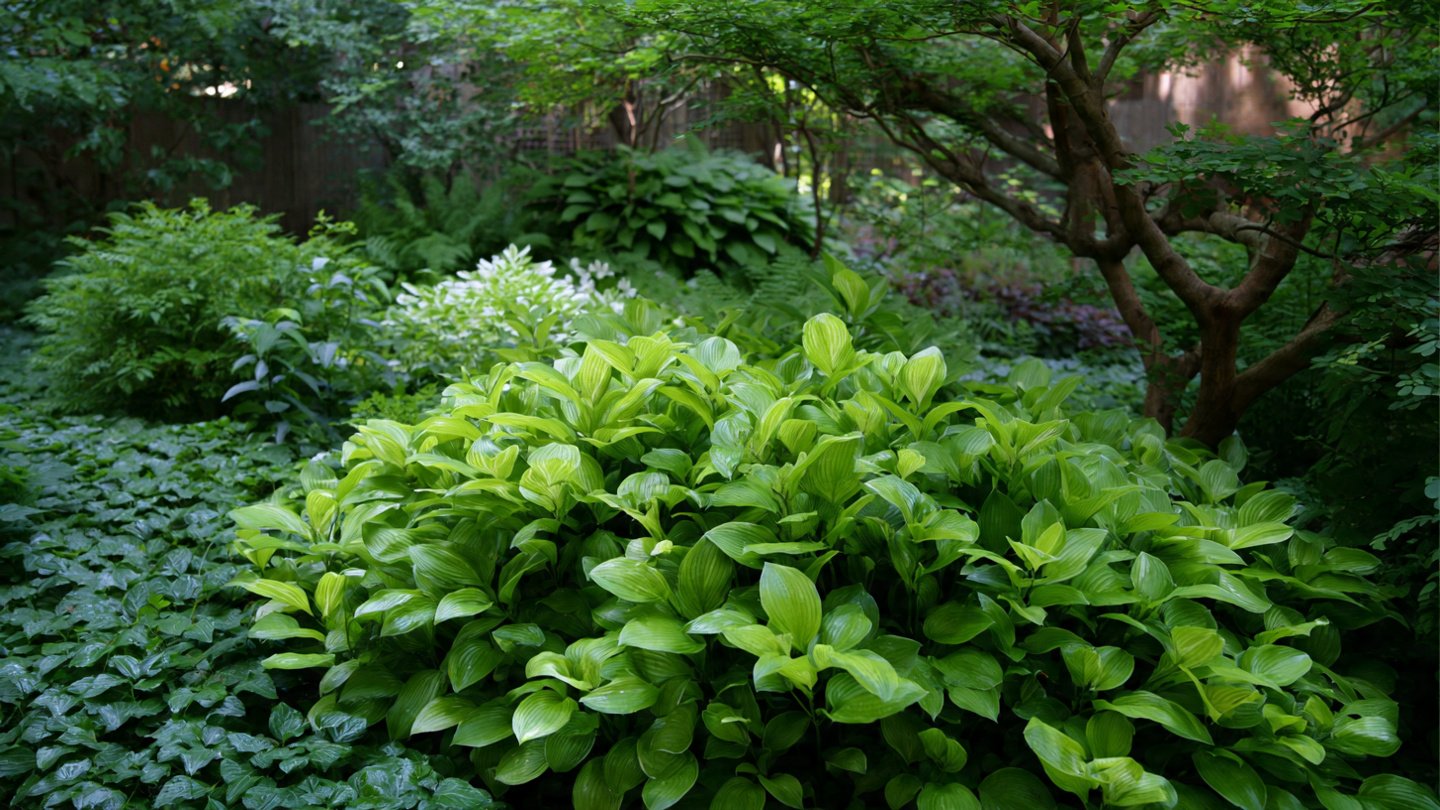
Gardening isn’t always about basking plants in full sun. Many spaces in homes, gardens, or patios receive little to no direct sunlight, and that doesn’t mean they must remain bare or dull. Shade-loving plants are specially adapted to flourish in low-light conditions, bringing lush greenery, vibrant textures, and even flowers to areas that traditional sun-loving plants cannot tolerate. Understanding which plants thrive in these environments allows gardeners to transform dark corners, north-facing rooms, or densely shaded garden beds into thriving landscapes.
These plants have evolved to survive with minimal sunlight, often developing broader leaves or slower growth rates to maximize energy from limited light. Choosing the right species ensures that even the shadiest spots in your home or garden are visually appealing and biologically healthy. Here’s a comprehensive list of 12 shade-loving plants, including their unique features, care requirements, and ideal growing conditions.
1. Hostas
Hostas are among the most popular shade-loving plants for outdoor gardens. Known for their lush, broad leaves and varying shades of green, blue, or variegated patterns, hostas thrive in areas with dappled or indirect sunlight. They grow well under trees, along fences, or in shaded garden beds. While hostas prefer moist, well-draining soil, they are relatively low-maintenance. Their leaves provide striking textures, and many varieties also produce fragrant flowers in summer, attracting pollinators.
2. Ferns
Ferns are classic shade-dwellers that bring elegance and softness to any low-light area. Species such as the Boston fern, maidenhair fern, and Japanese painted fern perform exceptionally well in indirect light or deep shade. They require consistently moist soil and benefit from high humidity, making them suitable for bathrooms, shaded patios, or under tree canopies. Their delicate fronds add a sense of movement and texture, making ferns a versatile choice for indoor and outdoor shade.
3. Caladiums
Caladiums are prized for their colorful, heart-shaped leaves that range from red and pink to green and white. These tropical plants thrive in deep shade or filtered sunlight, making them ideal for garden corners or containers in shaded spaces. Caladiums prefer rich, moist soil and benefit from warm, humid environments. Because they are sensitive to frost, caladium tubers can be lifted and stored indoors during winter in colder climates, ensuring they return the following season.
4. Impatiens
Impatiens are flowering annuals perfect for shaded areas that lack direct sunlight. Their bright, colorful blooms—ranging from pink and red to white and purple—provide visual interest in spaces where many flowering plants fail. Impatiens require consistently moist, well-draining soil and are often used in shaded garden beds, containers, or hanging baskets. They thrive in areas with indirect sunlight, providing continuous color throughout the growing season.
5. Astilbes
Astilbes are shade-loving perennials that produce feathery, plume-like flowers in shades of pink, red, and white. They grow best in moist, humus-rich soil and partial to full shade. Astilbes are excellent for planting along shaded walkways, near water features, or under trees. Their soft, upright flowers and delicate foliage provide contrast in garden beds, complementing hostas or ferns while adding vertical interest.
6. Heuchera (Coral Bells)
Heucheras, or coral bells, are low-growing perennials with striking foliage in shades of purple, silver, green, or bronze. They tolerate shade well and perform best in partially shaded areas with well-draining soil. While coral bells produce delicate flower spikes in spring or summer, their foliage is the main attraction, offering color and texture year-round. Heucheras work beautifully in garden borders, containers, or shaded rock gardens.
7. Lungwort (Pulmonaria)
Lungwort is a hardy perennial suited to low-light areas, especially under trees or alongside shaded walls. Its spotted, variegated leaves add texture, while clusters of small blue, pink, or white flowers appear in early spring. Lungwort prefers moist, well-draining soil and benefits from consistent watering. Its foliage remains attractive throughout the growing season, making it a reliable choice for dark garden spots.
8. Japanese Forest Grass (Hakonechloa macra)
Japanese forest grass is a shade-tolerant ornamental grass that adds flowing texture and movement to shaded gardens. Its arching, bamboo-like leaves create a soft, graceful look and often display golden or green variegation. Japanese forest grass thrives in moist, humus-rich soil and partial to full shade. It is ideal for borders, woodland gardens, or containers in shady locations, providing visual contrast against ferns or hostas.
9. Begonias
Begonias are versatile shade-loving plants that thrive in both indoor and outdoor environments. Their waxy leaves come in a variety of colors and patterns, and they produce vibrant flowers that brighten dark spaces. Begonias prefer well-draining soil, moderate moisture, and indirect sunlight. They are especially effective in containers, hanging baskets, or shaded garden beds. With proper care, begonias provide continuous visual interest, even in areas where sun-loving plants struggle.
10. Foamflower (Tiarella)
Foamflower is a perennial ground cover perfect for shaded areas. It produces delicate, foamy clusters of white or pink flowers in spring, and its attractive foliage often develops reddish hues in cooler temperatures. Foamflower thrives in moist, humus-rich soil and partial to full shade. It is ideal for woodland gardens, shaded borders, or under larger shrubs, providing texture and low-maintenance beauty.
11. Solomon’s Seal (Polygonatum)
Solomon’s seal is a graceful perennial that prefers full to partial shade. Its arching stems and paired leaves create a dramatic effect in shaded gardens, while small, bell-shaped flowers dangle elegantly beneath the foliage in spring. Solomon’s seal prefers rich, well-draining soil and moderate moisture. It’s ideal for planting along shaded pathways, under trees, or in woodland-inspired gardens, adding height and visual interest to low-light areas.
12. Bleeding Heart (Dicentra spectabilis)
Bleeding heart is a classic shade-loving perennial with distinctive heart-shaped flowers that hang delicately from arching stems. Its unique blooms, often pink or white, add charm and elegance to shaded garden spaces. Bleeding hearts thrive in rich, moist soil and partial to full shade. Their foliage dies back in late summer, allowing for companion planting with late-season shade perennials. This plant is ideal for shaded garden beds, woodland settings, or containers.
Tips for Successfully Growing Shade-Loving Plants
While these 12 plants are adapted to low-light conditions, proper care ensures they remain healthy and vibrant. Here are some key tips:
- Assess Shade Type: Understand whether your shaded area receives dappled sunlight, indirect light, or deep shade. Certain plants, like hostas and ferns, can tolerate deep shade, while flowering plants like impatiens and begonias may need some indirect light to bloom.
- Monitor Moisture: Shade often means slower evaporation, which can lead to overwatering. Ensure soil is well-draining and avoid waterlogging, which can cause root rot. Consistent moisture is essential, but balance is key.
- Enrich Soil: Shade-loving plants often perform best in nutrient-rich soil. Adding organic matter such as compost improves fertility and soil structure, helping plants thrive without excessive sunlight.
- Mulch for Protection: Applying mulch helps retain soil moisture, moderates temperature, and reduces weeds. It is particularly useful in shaded garden beds where soil can remain damp.
- Group Plants Wisely: Combining different shade-tolerant species adds visual interest. Taller plants like Solomon’s seal can provide background height, while low-growing species like foamflower fill in spaces and create layered textures.
- Monitor for Pests: Even in shade, pests such as slugs, snails, and aphids can affect plant health. Regular inspection and natural deterrents, like hand-picking or neem oil sprays, keep plants healthy.
- Adjust Fertilization: Low-light plants typically grow slower and require less fertilizer. Light feeding during the growing season supports vibrant foliage and flowers without overstimulating growth.
- Prune When Necessary: Remove dead or yellowing leaves to maintain plant health and encourage airflow. Regular pruning reduces disease risk and keeps shade gardens looking neat.
Conclusion
Gardens and indoor spaces don’t have to be limited by the absence of sunlight. By choosing shade-loving plants, even the darkest corners can flourish with color, texture, and life. From classic hostas and ferns to flowering favorites like impatiens and bleeding hearts, these plants offer options for both aesthetic appeal and low-maintenance care.
With careful attention to light levels, soil quality, moisture, and plant placement, shade-loving species can transform neglected spaces into lush, vibrant areas. Understanding the specific needs of each plant allows gardeners to create a harmonious composition that thrives despite limited sunlight. By embracing shade-friendly gardening, even the sunniest garden dreams can be realized in the dimmest corners.