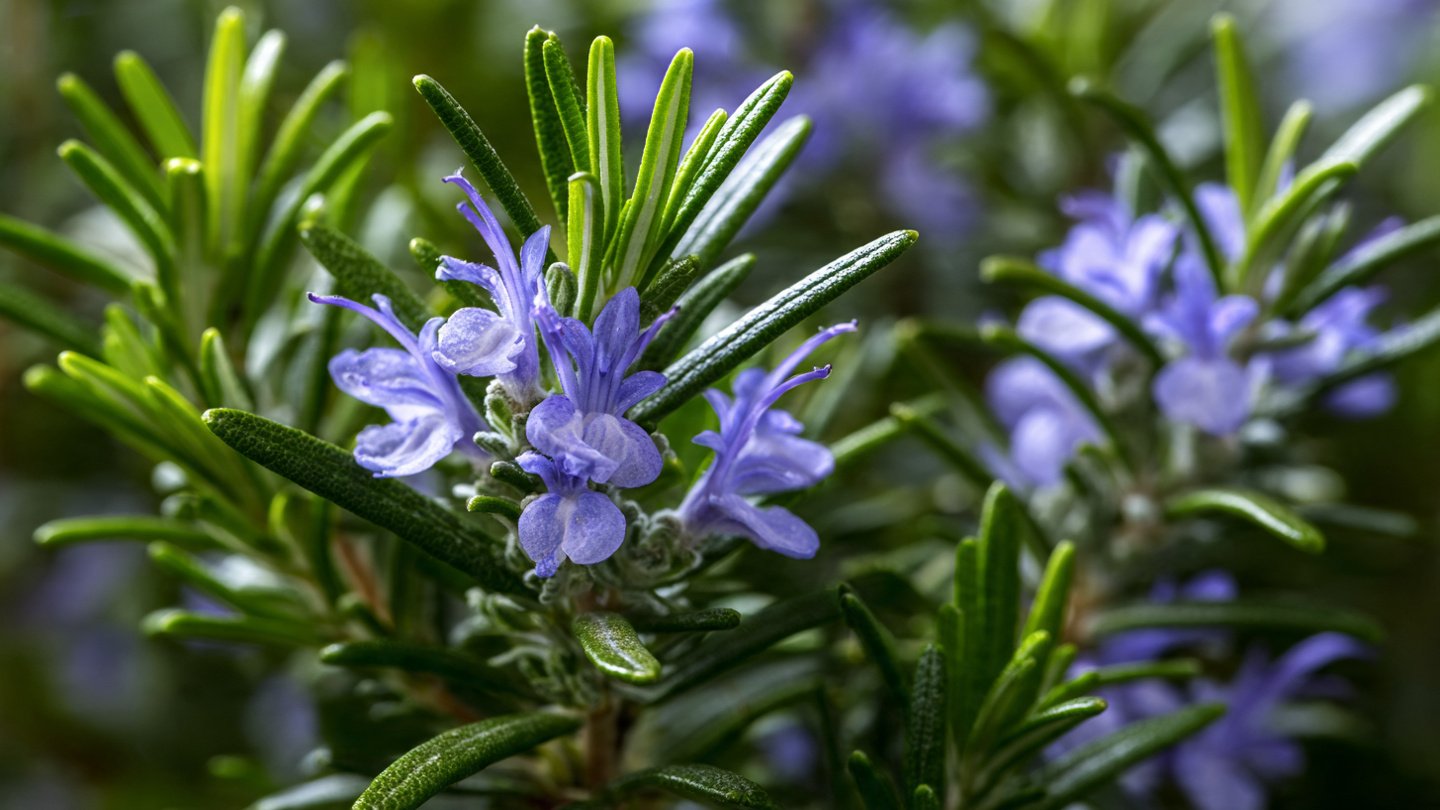
A garden buzzing with life is one of the most satisfying sights for any gardener. Butterflies drifting from flower to flower, bees working methodically among blossoms, and beneficial insects quietly supporting the health of your plants all signal a thriving ecosystem. If rosemary already has a place in your garden, you are off to a strong start. This aromatic Mediterranean herb is not only useful in the kitchen, but also a quiet ally in attracting pollinators. When paired with the right neighboring herbs, rosemary can become the centerpiece of a pollinator-friendly planting that benefits your harvest, your soil, and the wider environment.
Rosemary’s woody stems, evergreen leaves, and delicate blue flowers make it attractive to bees, especially early in the season when other blooms may be scarce. Its long flowering period provides a steady nectar source, and its strong scent can help deter certain pests. By planting complementary herbs nearby, you can extend bloom times, diversify nectar and pollen sources, and create layers of scent, color, and texture that pollinators find irresistible.
One of the best companions to plant near rosemary is thyme. Low-growing and mat-forming, thyme fills in the space around rosemary’s base without competing aggressively for nutrients. When thyme flowers, it produces tiny but abundant blossoms that bees love. Because thyme tolerates similar conditions to rosemary—well-drained soil, full sun, and moderate watering—it thrives in the same garden bed. Together, rosemary and thyme form a fragrant, flowering partnership that supports pollinators while requiring minimal maintenance.
Another excellent choice is oregano. Often thought of as a purely culinary herb, oregano becomes a pollinator magnet when allowed to flower. Its small pink or purple blooms attract bees, hoverflies, and butterflies in large numbers. Oregano’s bushy growth complements rosemary’s upright form, helping to fill visual gaps in the garden while also suppressing weeds. Allowing oregano to bloom rather than cutting it back immediately is a simple way to dramatically increase insect activity around your rosemary plants.
Lavender is perhaps one of rosemary’s most famous companions, and for good reason. Both herbs originate from similar climates and share a preference for sun and free-draining soil. Lavender’s tall flower spikes offer an abundance of nectar, drawing in bees and butterflies throughout summer. When planted near rosemary, lavender extends the overall flowering season of the area, ensuring that pollinators have consistent food sources from spring through late summer. The combined scent of rosemary and lavender also creates a soothing, aromatic corner of the garden that humans appreciate just as much as insects do.
Sage is another herb that pairs beautifully with rosemary. Its soft, textured leaves and vibrant flowers provide both visual interest and pollinator appeal. Sage blossoms are particularly attractive to bees, especially larger species that can easily access the nectar-rich blooms. Like rosemary, sage is drought-tolerant once established, making it ideal for low-water gardens. Planting sage nearby helps create a cohesive planting scheme that supports pollinators while reinforcing the resilience of your herb garden.
Chives offer a different but equally valuable contribution. Their slender green stems and globe-shaped purple flowers add vertical contrast and bursts of color near rosemary’s woody structure. When chives bloom, they become magnets for bees and beneficial insects. Chives are also known to repel certain pests, which can indirectly benefit rosemary and neighboring plants. By allowing some chives to flower while harvesting others, you can balance kitchen use with ecological support.
Basil, though more tender than rosemary, can still play a supporting role during the warmer months. When basil is allowed to flower, it produces small white or purple blossoms that bees eagerly visit. Basil prefers slightly more water than rosemary, so planting it nearby but not directly competing at the root level works best. In return, basil contributes to a diverse pollinator buffet and adds another layer of scent that enriches the garden environment.
Mint is another herb that attracts pollinators enthusiastically, especially bees. Its flowers are rich in nectar, and it blooms over a long period. However, mint’s aggressive growth habit means it should be planted with care. Keeping mint in containers placed near rosemary allows you to enjoy its pollinator benefits without risking it overtaking your garden bed. This approach offers flexibility while still contributing to a pollinator-friendly layout.
Fennel, with its feathery foliage and umbrella-like yellow flowers, attracts a wide range of beneficial insects, including pollinators and predatory species. When planted near rosemary, fennel adds height and visual drama to the garden. Its flowers are particularly valuable to insects that require shallow, accessible nectar sources. While fennel can be a bit more water-hungry, thoughtful placement and spacing can help balance its needs with rosemary’s preferences.
Planting these herbs near rosemary does more than simply attract pollinators. It creates a small ecosystem where plants support one another through pest deterrence, improved pollination, and shared growing conditions. Pollinators drawn to one plant often move among neighboring herbs, increasing flower fertilization and seed production throughout the garden. This interconnectedness leads to healthier plants, more abundant blooms, and a more resilient growing space.
Design also plays an important role in maximizing pollinator appeal. Grouping herbs in clusters rather than scattering them individually makes it easier for insects to forage efficiently. Providing a mix of flower shapes, colors, and bloom times ensures that different pollinator species can find what they need throughout the season. Leaving some herbs to flower rather than harvesting them all immediately is one of the simplest and most effective ways to support insect life.
Beyond the practical benefits, a garden filled with pollinators offers a deeper sense of connection to nature. Watching bees work among rosemary and its companions reminds us that gardening is not just about yields, but about participating in a living system. By choosing herbs that support pollinators and planting them thoughtfully near rosemary, you transform your garden into a welcoming refuge for insects that play a crucial role in our food systems and ecosystems.
In the end, filling your garden with pollinators does not require exotic plants or complicated techniques. Simple herbs, carefully chosen and planted near rosemary, can create a vibrant, buzzing space that benefits both you and the environment. With thyme, oregano, lavender, sage, chives, and other supportive herbs working together, your rosemary becomes more than a culinary staple—it becomes the heart of a thriving pollinator haven.