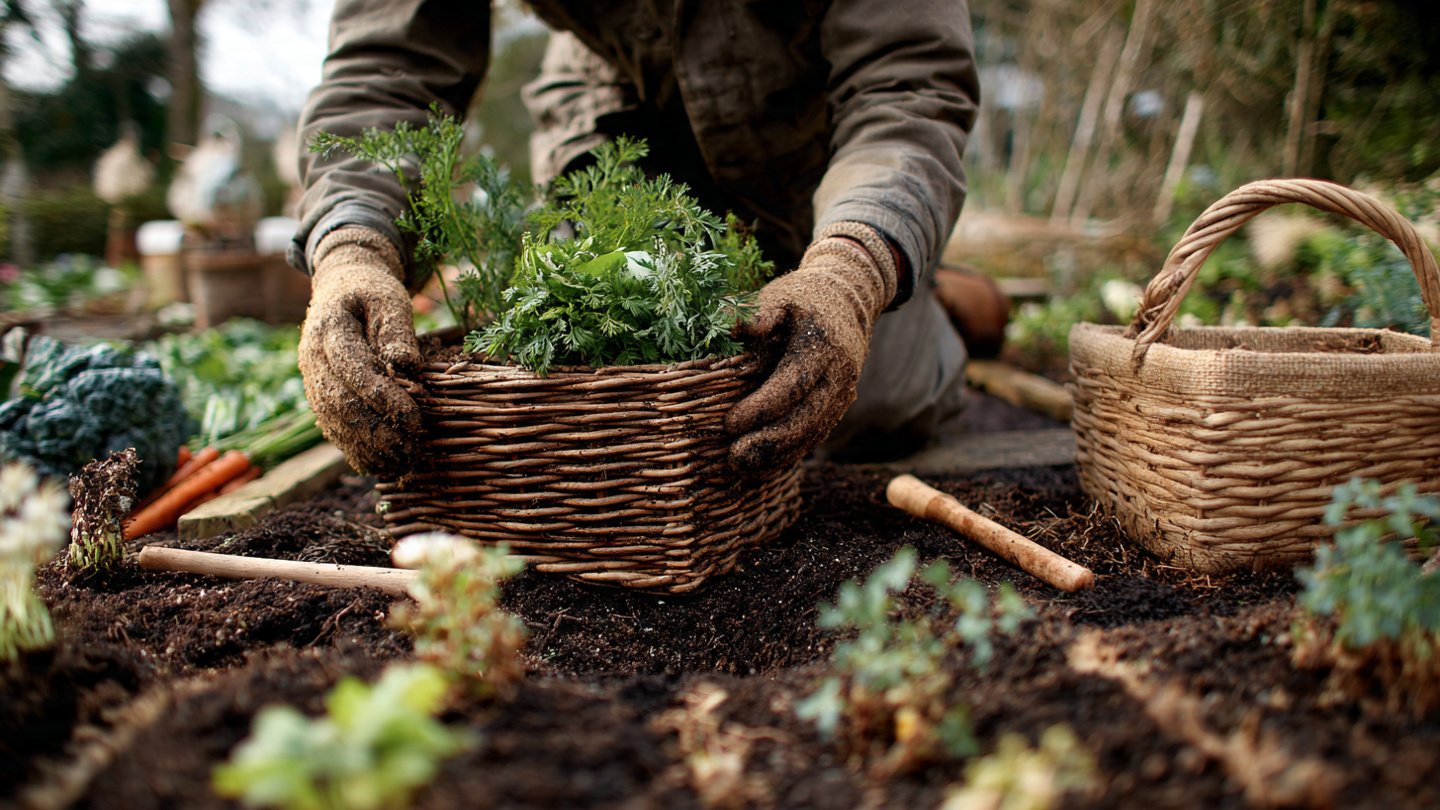
February is a pivotal month in the gardening calendar. While winter may still hold its grip in many regions, subtle signs of the upcoming growing season begin to appear. Days slowly lengthen, soil starts to warm, and plants prepare for renewed growth. For gardeners, February is not a time to be idle but an opportunity to lay strong foundations for a successful year ahead. Tackling the right gardening jobs now can improve plant health, boost productivity, and make spring far more manageable. Here are ten essential gardening tasks to focus on in February.
1. Prepare and Improve Garden Soil
Healthy soil is the backbone of any productive garden, and February is an excellent time to improve it. As long as the ground is not frozen or waterlogged, you can begin preparing beds for spring planting. Remove weeds, old plant debris, and stones that may hinder root growth later.
Incorporate organic matter such as compost, well-rotted manure, or leaf mold to enhance soil structure and fertility. This process improves drainage in heavy soils and moisture retention in sandy ones. Turning the soil lightly also exposes pests to cold weather and birds, naturally reducing their numbers.
2. Prune Trees, Shrubs, and Roses
February is ideal for pruning many deciduous trees, shrubs, and roses while they are still dormant. Without leaves, the plant’s structure is clearly visible, making it easier to remove dead, damaged, or crossing branches. Proper pruning improves air circulation, encourages healthy new growth, and enhances flowering or fruiting later in the season.
Roses, in particular, benefit from February pruning. Cut back weak stems and shape the plant to promote strong, outward-facing growth. Avoid pruning spring-flowering shrubs that bloom on old wood, as this can reduce flowering.
3. Start Seeds Indoors
For gardeners eager to get a head start, February is the perfect time to begin sowing seeds indoors. Many vegetables and flowers benefit from early indoor sowing, including tomatoes, peppers, eggplants, leeks, onions, and slow-growing annuals.
Use clean containers and fresh seed-starting compost to reduce the risk of disease. Place seedlings in a warm, bright location or under grow lights to prevent leggy growth. Starting seeds now ensures sturdy plants ready for transplanting when warmer weather arrives.
4. Plan the Year’s Garden Layout
February is an excellent time for garden planning. Take advantage of quieter days to sketch out planting layouts, rotate crops, and decide what new varieties you want to try. Crop rotation helps prevent soil-borne diseases and nutrient depletion, particularly in vegetable gardens.
Review notes from the previous year to identify successes and areas for improvement. Ordering seeds and plants early ensures you get preferred varieties before they sell out and allows you to schedule planting more efficiently.
5. Clean and Maintain Gardening Tools
Well-maintained tools make gardening easier and safer. February is the perfect time to clean, sharpen, and repair tools before the busy season begins. Remove dirt and rust from spades, pruners, and hoes, then sharpen blades for clean cuts that minimize plant damage.
Check wooden handles for cracks and sand them smooth if needed. Oil metal parts lightly to prevent rust. Organizing tools now saves time later and extends their lifespan.
6. Feed and Mulch Perennials and Shrubs
Perennial plants and shrubs benefit from an early boost of nutrients as they prepare for spring growth. Apply a balanced fertilizer or organic feed around established plants, taking care not to disturb emerging shoots.
Mulching is another important February task. A layer of organic mulch, such as compost or bark chips, helps suppress weeds, conserve moisture, and regulate soil temperature. Mulching also improves soil structure as it breaks down over time.
7. Protect Plants from Late Frosts
Although February brings hints of spring, frost remains a threat in many regions. Tender plants, early buds, and newly emerging shoots may need protection from sudden cold snaps. Keep fleece, cloches, or old sheets handy to cover vulnerable plants overnight.
Check protective coverings regularly to ensure they are secure but not smothering plants. Providing protection now prevents damage that could delay growth or reduce flowering later in the season.
8. Care for Lawns
Lawns may appear dormant in February, but early care can make a big difference. Remove fallen leaves, debris, and moss to improve airflow and prevent disease. Avoid walking on frost-covered or waterlogged grass, as this can damage turf.
If conditions allow, lightly rake the lawn to remove dead grass and encourage new growth. Applying a moss control treatment or lawn conditioner in late February can prepare the lawn for vigorous spring growth.
9. Check for Pests and Diseases
February is an ideal time to inspect plants for overwintering pests and disease problems. Look for aphid eggs, scale insects, and signs of fungal infection on stems and bark. Removing these early reduces infestations later in the year.
Clean up fallen leaves and plant debris where pests may be hiding. Good garden hygiene at this stage plays a crucial role in maintaining healthy plants throughout the growing season.
10. Prepare Greenhouses and Cold Frames
If you have a greenhouse or cold frame, February is the time to get it ready for action. Clean glass or plastic panels to maximize light levels, and disinfect surfaces to eliminate lingering pests or pathogens.
Check ventilation systems, heaters, and staging to ensure everything is in good working order. Once prepared, greenhouses can be used for seed sowing, hardening off plants, or protecting tender crops from cold weather.
Bonus Tip: Observe and Learn
February is also a month for observation. Spend time walking through your garden, noting where sunlight falls, where water collects, and which plants are beginning to stir. These observations provide valuable insights that help you make informed decisions throughout the year.
Pay attention to wildlife activity as well. Birds and beneficial insects play an important role in garden health, and providing food, water, or shelter now supports a balanced ecosystem.
Conclusion
February may seem quiet compared to the vibrant months of spring and summer, but it is one of the most important times for gardeners. The tasks completed now set the stage for healthy growth, abundant harvests, and fewer problems later in the year. From soil preparation and pruning to seed sowing and tool maintenance, each job contributes to a more productive and enjoyable gardening season.
By focusing on these ten must-do gardening jobs in February, gardeners can work with nature rather than against it. A little effort during this transitional month leads to stronger plants, better yields, and a smoother start to spring. With preparation, patience, and attention to detail, February becomes not just a waiting period but a powerful beginning to the gardening year ahead.