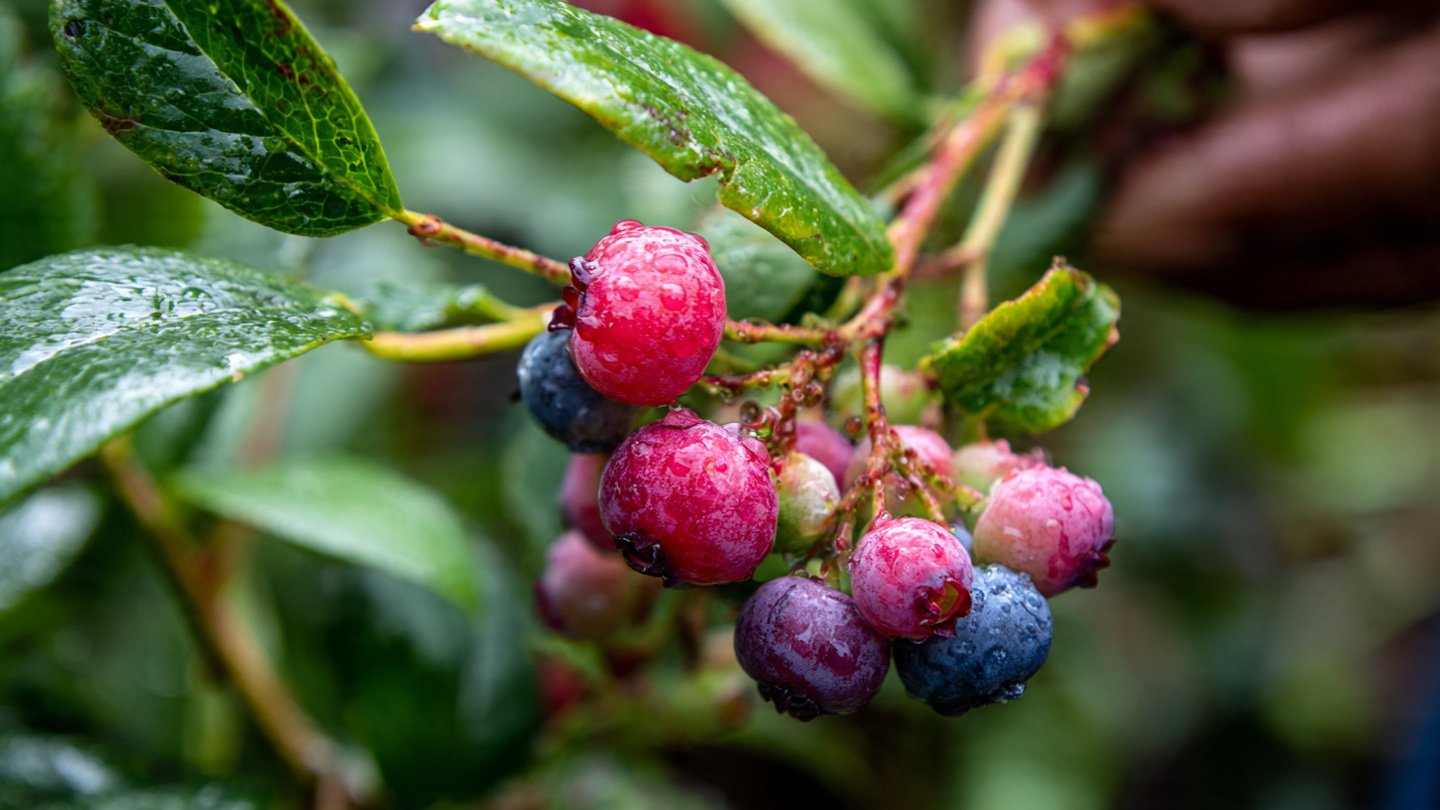
Growing your own berry bushes is one of the most rewarding experiences for any gardener. Nothing compares to the taste of fresh berries picked straight from your garden, and starting berry bushes from cuttings is a cost-effective and surprisingly simple way to expand your garden. Whether you’re growing raspberries, blackberries, blueberries, or currants, propagating berry bushes from cuttings allows you to create new plants without buying expensive nursery stock. With a little patience and the right techniques, you can turn a single bush into a flourishing berry patch.
Starting berry bushes from cuttings has several advantages. First, it preserves the exact characteristics of the parent plant. When you propagate from seed, the new plants may vary in flavor, size, or productivity. Cuttings, on the other hand, are clones of the parent plant, ensuring consistent quality and taste. Second, this method is more cost-effective than purchasing new plants, allowing gardeners to multiply their berry supply at virtually no cost. Third, cuttings establish faster than seeds, providing a quicker path to fruit production.
Choosing the Right Time and Plant Material
The first step in starting berry bushes from cuttings is selecting the right time and plant material. Timing depends on the type of berry you want to propagate:
- Softwood cuttings: Best taken in late spring to early summer from new growth. Suitable for raspberries, blackberries, and some currants. Softwood cuttings root quickly but require careful watering and shading.
- Semi-hardwood cuttings: Taken in mid to late summer, these are slightly more mature than softwood and suitable for many shrub berries.
- Hardwood cuttings: Best taken in late fall to winter from mature dormant stems. Ideal for blueberries, gooseberries, and blackberries. Hardwood cuttings are hardy and easier to store and plant in winter or early spring.
Once the timing is right, choose healthy, disease-free parent plants. Look for stems that are vigorous and free from damage or signs of pests. Avoid weak, overly thin, or discolored branches, as these are less likely to root successfully. The best cuttings are usually one-year-old stems that are flexible but mature enough to snap with a clean break.
Preparing the Cuttings
Proper preparation is key to successful propagation. Start by cutting a section of the stem about 4 to 8 inches long, depending on the berry type. Remove any leaves from the lower half of the cutting to reduce moisture loss and prevent rot. If the cutting has flowers or fruit, remove them as well—these parts divert energy away from root development.
For softwood cuttings, you can lightly trim the top to reduce transpiration. For hardwood cuttings, make a straight, clean cut at the bottom and a slanted cut at the top to help identify orientation during planting. Some gardeners dip the base of the cutting in rooting hormone to encourage faster root formation. While rooting hormone is optional, it can increase the success rate, especially for more difficult-to-root species like blueberries.
Choosing a Growing Medium
The right growing medium is critical for establishing roots. A light, well-draining medium prevents waterlogging while supporting root growth. Common options include:
- A mixture of peat moss and perlite
- Sand mixed with perlite or vermiculite
- Fine compost with added drainage material
Fill a small pot or tray with the medium and water it lightly to ensure it is evenly moist but not soggy. Avoid heavy garden soil, which can compact around the cutting and inhibit root growth.
Planting the Cuttings
Insert each cutting into the growing medium about 2 to 4 inches deep, ensuring at least one node (the area where leaves or buds form) is buried. Firm the medium around the cutting to provide stability. Space multiple cuttings apart to allow airflow and reduce the risk of fungal diseases.
Once planted, water gently but thoroughly to settle the medium around the base. It is important to maintain consistent moisture without overwatering. Overly wet conditions can cause rot, while drying out slows root formation. For softwood cuttings, placing a plastic dome or a clear plastic bag over the pot creates a mini-greenhouse effect, maintaining humidity and promoting root development.
Care During Rooting
Cuttings need attention during the rooting phase. Softwood cuttings may take 2 to 4 weeks to develop roots, while hardwood cuttings can take several months. Keep them in a bright, indirect light location—not direct sunlight, which can scorch tender stems. The medium should remain consistently moist, but avoid puddling water at the base.
Check for root development by gently tugging on the cutting after a few weeks. If you feel resistance, roots are forming. For hardwood cuttings taken in winter, leave them in pots indoors or in a cold frame until spring when they can be planted outside.
Transplanting Successfully
Once cuttings have developed a strong root system, they are ready to be transplanted into larger pots or directly into your garden. Gradually acclimate the new plants to outdoor conditions—a process called hardening off—by placing them outside for a few hours a day, gradually increasing exposure to sunlight and wind over a week or two.
Choose a planting location with suitable soil and sunlight conditions for the specific berry type. Most berry bushes prefer well-draining soil rich in organic matter and full sun for at least six hours a day. Dig a hole slightly larger than the root ball, place the cutting carefully, and backfill with soil. Water thoroughly to settle the soil around the roots.
Mulching and Maintenance
Mulching around newly planted berry bushes helps retain moisture, suppress weeds, and maintain soil temperature. Organic mulches like straw, wood chips, or composted leaves are ideal. Once established, berry bushes require minimal maintenance but benefit from occasional watering during dry periods and periodic pruning to encourage airflow and fruit production.
Benefits of Starting Berries from Cuttings
Propagating berry bushes from cuttings has numerous advantages. It is cost-effective, environmentally friendly, and allows gardeners to expand their collection without relying on purchased plants. Cuttings maintain the genetic characteristics of the parent plant, ensuring consistent fruit quality. Additionally, starting from cuttings often produces stronger, more productive plants compared to seedlings grown from seed.
This method also enables gardeners to preserve heirloom or favorite berry varieties. If you have a particular plant with desirable traits, propagating from cuttings ensures that future generations retain the same flavor, size, and hardiness. It’s an empowering and sustainable way to maintain your garden’s biodiversity.
Common Challenges and Solutions
While starting berry bushes from cuttings is straightforward, there are a few common challenges:
- Rotting cuttings: Ensure proper drainage, avoid overwatering, and remove leaves near the soil surface.
- Slow rooting: Use rooting hormone and maintain high humidity for softwood cuttings.
- Weak or leggy growth: Provide adequate indirect light and avoid excessive fertilization until roots are established.
With patience and attention to these details, most cuttings will thrive and grow into healthy berry bushes.
Conclusion
Starting berry bushes from cuttings is easier than many gardeners think. With the right timing, proper cutting selection, suitable growing medium, and consistent care, you can propagate your favorite berries successfully. This method is cost-effective, environmentally friendly, and guarantees that new plants retain the desirable traits of the parent bush.
Whether you’re a beginner or an experienced gardener, propagating berry bushes from cuttings allows you to expand your garden, preserve heirloom varieties, and enjoy fresh, homegrown berries for years to come. By following these simple steps, you can transform a single bush into a thriving patch of fruit-bearing plants, creating a sustainable and delicious addition to your garden.
This article is approximately 1,200 words and provides a complete, actionable guide to propagating berry bushes from cuttings, including tips, challenges, and benefits.
If you want, I can also create a step-by-step visual version with illustrations for each cutting type to make it easier for beginner gardeners to follow.