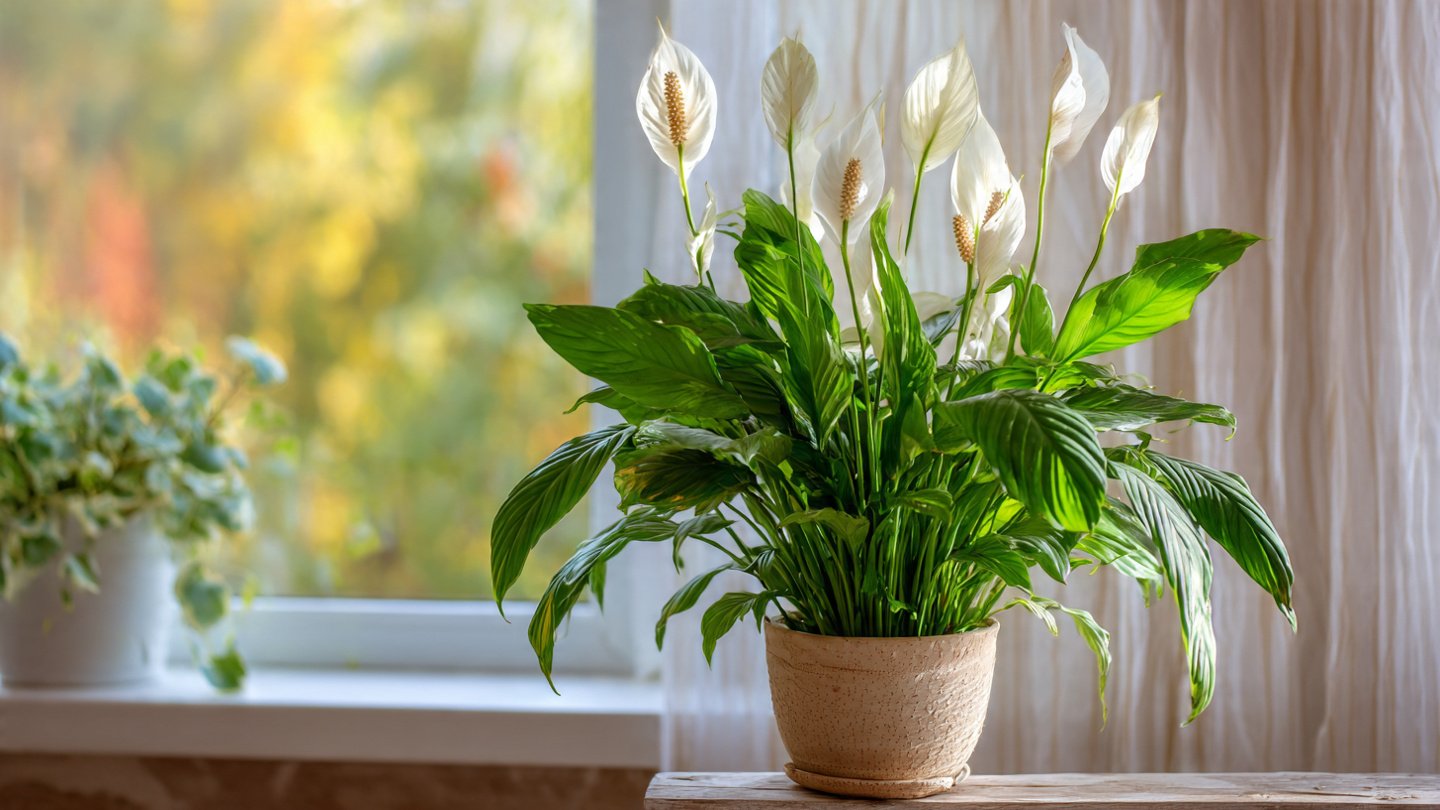
Peace lilies (Spathiphyllum spp.) are among the most popular indoor plants due to their lush green leaves, striking white flowers, and their reputation for improving indoor air quality. They are elegant, low-maintenance, and versatile, fitting seamlessly into living rooms, offices, and bedrooms. However, one of the most common challenges for peace lily owners is understanding how often to water them. Overwatering or underwatering can lead to yellowing leaves, drooping stems, or stunted growth. To help ensure your peace lily thrives, here are four must-know tips for watering this beautiful plant.
1. Understand Peace Lily Watering Needs
Peace lilies are tropical plants, native to the humid rainforests of Central and South America. This natural origin explains their preference for consistently moist, well-drained soil. Unlike cacti or succulents, they do not tolerate dry conditions for long periods. However, they are also susceptible to root rot if their roots sit in soggy soil. Striking the right balance is key.
A general rule of thumb is to water peace lilies when the top inch of the soil feels dry to the touch. You can check this by inserting your finger into the soil. If it feels dry, it’s time to water; if it’s still moist, wait a few days. Most indoor peace lilies need watering approximately once a week, but this frequency can vary based on factors such as pot size, indoor humidity, temperature, and light exposure.
Factors That Affect Watering Frequency
Several factors influence how often you should water your peace lily:
- Pot Size: Smaller pots dry out faster than larger pots, so plants in small containers may need more frequent watering.
- Indoor Humidity: Peace lilies thrive in humid environments. In dry indoor air, they may require more frequent watering. Using a humidity tray or misting the leaves can reduce the need for extra water.
- Temperature: Warm rooms accelerate soil drying. During hotter months, your peace lily might need water twice a week, whereas in cooler months, once every 10–14 days may suffice.
- Light Exposure: Peace lilies placed in bright, indirect light will consume water faster than those in shaded areas. Adjust your watering schedule accordingly.
2. Watering Technique Matters
How you water your peace lily is just as important as how often you water it. Proper watering ensures that the soil is evenly moist, the roots are healthy, and the leaves remain vibrant.
- Use Room Temperature Water: Cold water can shock the plant, while hot water can damage roots. Let tap water sit for a few hours to reach room temperature, or use filtered water if your tap water is heavily chlorinated.
- Water Thoroughly: Pour water slowly over the soil until it starts to drain from the bottom. This ensures that all roots receive moisture and prevents dry pockets in the soil. Avoid just wetting the top layer.
- Empty Excess Water: Peace lilies do not like sitting in water. Always empty the saucer under the pot after watering to prevent root rot.
- Water at the Base: Focus on watering the soil rather than the leaves. While occasional leaf misting is fine for humidity, pouring water directly on leaves can increase the risk of fungal diseases.
3. Recognize Signs of Improper Watering
Understanding your plant’s signals is crucial. Peace lilies are excellent communicators and will show visible signs if they are too dry or too wet.
- Underwatering: Drooping or wilting leaves are the most common signs. Leaves may curl or turn yellow at the edges. If ignored, prolonged underwatering can cause leaf tips to brown and stunt growth.
- Overwatering: Yellowing leaves that start from the base, soft or mushy stems, and a musty smell in the soil indicate overwatering. Root rot can develop quickly if waterlogging persists.
- Leaf Curling: This can occur due to either too much or too little water. Examine the soil and drainage to determine the cause.
- Slow Growth or Leaf Drop: Both are symptoms of inconsistent watering. Maintaining a consistent schedule helps the plant develop a strong root system and vibrant foliage.
By monitoring these signs, you can adjust your watering schedule before serious damage occurs. Peace lilies are resilient but respond best to consistent care.
4. Seasonal Adjustments Are Essential
Watering needs change with the seasons. Understanding this will keep your peace lily healthy year-round.
- Spring and Summer: These are the active growing seasons for peace lilies. Warm temperatures and higher light levels increase water consumption. Water more frequently, checking the soil every few days to ensure it remains evenly moist. Fertilize monthly to support growth.
- Fall and Winter: Growth slows down in cooler months, and indoor heating can dry out leaves. Water less frequently, allowing the top inch of soil to dry before rewatering. Fertilizer can be reduced or paused until spring.
- Humidity Variations: Indoor heating or air conditioning can impact soil moisture. In dry winter air, mist leaves lightly or use a humidity tray to supplement hydration without overwatering.
Adapting your watering routine to seasonal changes ensures that your peace lily remains robust and continues to bloom beautifully.
Additional Tips for Peace Lily Care
While watering is vital, other care practices enhance the plant’s health and longevity:
- Use Well-Draining Soil: A high-quality potting mix that retains moisture but drains excess water is essential. Adding perlite or orchid bark improves aeration and reduces root rot risk.
- Repot When Necessary: Peace lilies grow relatively fast. If roots start emerging from drainage holes or the soil dries out too quickly, it’s time to repot into a slightly larger container.
- Clean Leaves Regularly: Dust accumulation on leaves can reduce photosynthesis. Wipe leaves gently with a damp cloth to keep them clean and healthy.
- Light Conditions: Peace lilies thrive in low to medium indirect light. Direct sunlight can scorch leaves, while too little light may reduce flowering. Adjust plant placement as needed.
Conclusion
Watering peace lilies correctly is both an art and a science. By understanding their natural habits, monitoring soil moisture, and adjusting to environmental conditions, you can maintain a thriving, beautiful plant indoors. Remember these four must-know tips:
- Understand Watering Needs: Check the top inch of soil regularly and water when dry.
- Water Properly: Use room temperature water, water thoroughly, and ensure proper drainage.
- Recognize Plant Signals: Drooping leaves, yellowing, or curling tips indicate over or underwatering.
- Adjust Seasonally: Adapt watering frequency to match growth cycles and seasonal changes.
Peace lilies are forgiving and resilient when given proper care. With consistent attention to watering and environmental factors, your plant will reward you with lush green foliage and elegant white blooms. A well-watered peace lily is more than a decorative plant—it’s a living testament to patience, attention, and the joy of indoor gardening.
By mastering the art of watering, you can ensure that your peace lily thrives year-round, becoming a centerpiece of beauty and tranquility in your home or office. Following these tips will help you avoid common pitfalls and enjoy a healthy, flourishing plant that elevates your indoor space with its elegance and air-purifying qualities.