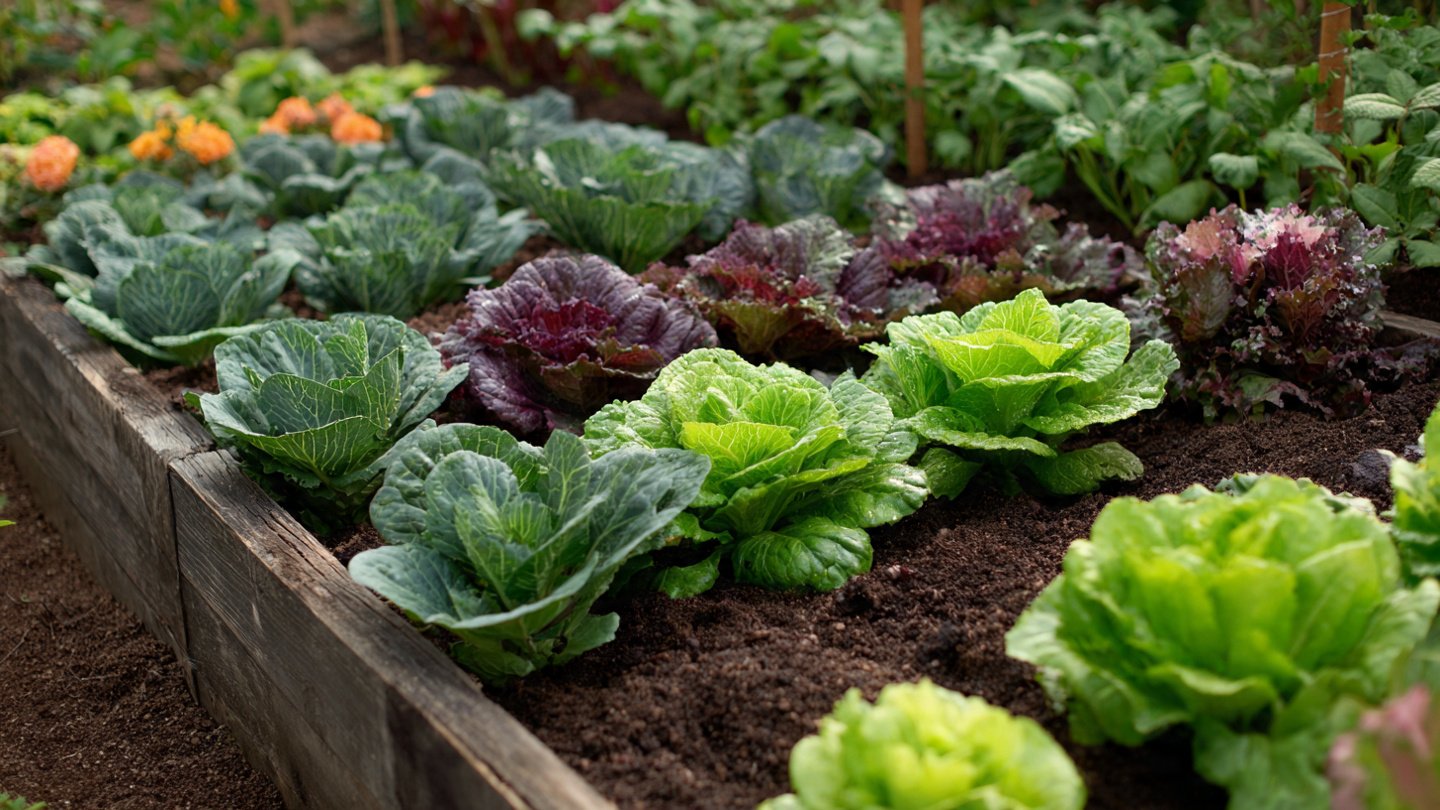
January and February may seem like quiet months in the gardening calendar, but they are actually powerful starting points for a productive growing season. While snow, frost, or chilly rain may dominate outdoors in many regions, these early months offer the perfect opportunity to sow vegetables that thrive when given a head start. With the right approach, gardeners in any growing zone can begin planting now, either indoors, under cover, or directly in the ground where conditions allow.
Early sowing leads to stronger plants, earlier harvests, and better use of the entire growing season. Many vegetables tolerate cool temperatures, while others benefit greatly from being started indoors long before the last frost date. Below are eighteen vegetables you can confidently sow in January and February regardless of where you live, as long as you adapt the method to your climate.
1. Lettuce
Lettuce is one of the easiest and fastest vegetables to grow early in the year. It thrives in cool conditions and can be started indoors or under protection such as cold frames. Loose-leaf varieties are especially forgiving and mature quickly, allowing for early harvests even before spring fully arrives.
2. Spinach
Spinach loves cool weather and actually grows better before temperatures rise. It can be started indoors or sown outdoors in milder climates. Spinach seeds germinate well in low temperatures, making it an ideal vegetable for winter sowing.
3. Kale
Kale is extremely cold-hardy and benefits from early planting. Starting kale in January or February results in strong seedlings that can handle outdoor conditions as soon as the soil is workable. Early-grown kale often develops sweeter leaves due to cool temperatures.
4. Swiss Chard
Swiss chard is adaptable and resilient, making it perfect for early sowing. While it tolerates warmth later in the season, starting it early encourages steady growth and earlier harvests. Chard grows well indoors and transplants easily.
5. Onions
Onions require a long growing season, which makes January and February ideal for starting them from seed. Whether you grow bulb onions or scallions, early sowing ensures larger, more developed plants by summer.
6. Leeks
Leeks grow slowly at first, so early sowing is essential. Starting leeks indoors in winter gives them the extended growing time they need to develop thick, flavorful stalks. They are cold-tolerant and transplant well outdoors.
7. Celery
Celery is notorious for its long growing period, often taking several months to mature. Sowing celery seeds in January or February is necessary in nearly all climates. Early indoor planting ensures plants are ready for outdoor transplanting once temperatures stabilize.
8. Cabbage
Cabbage thrives in cool conditions and benefits from being started early. Winter-sown cabbage seedlings grow strong and compact, producing firm heads before summer heat sets in. Early planting also reduces pest pressure later in the season.
9. Broccoli
Broccoli prefers cooler temperatures and performs best when it matures before hot weather. Starting broccoli seeds in January or February gives plants time to establish and produce dense heads in spring or early summer.
10. Cauliflower
Like broccoli, cauliflower needs a long, steady growth period in cool conditions. Early sowing is critical for success. Starting seeds indoors allows you to control temperature and moisture during the delicate early stages.
11. Peas
Peas are among the earliest vegetables that can be sown. In mild climates, they can be planted directly outdoors in January or February. In colder zones, starting peas in containers or under protection gives them a strong start.
12. Radishes
Radishes grow rapidly and tolerate cold temperatures well. They can be started indoors or under cover and harvested quickly, making them a great option for impatient gardeners eager for early results.
13. Carrots
Carrots germinate slowly in cold soil, but early sowing under protection works well. In warmer zones, they can be direct-sown early in the year. Starting carrots early allows for harvests before summer heat affects root quality.
14. Beets
Beets are cold-tolerant and versatile, providing both edible roots and greens. Early sowing encourages steady growth and sweet flavor. They perform well when started indoors or planted in protected outdoor beds.
15. Turnips
Turnips thrive in cool weather and grow quickly when planted early. January and February sowing results in tender roots and flavorful greens. Early crops also avoid the bitterness that can develop in warmer conditions.
16. Mustard Greens
Mustard greens germinate quickly and grow vigorously in cool temperatures. They are ideal for early sowing and can be harvested young for salads or allowed to mature for cooking greens.
17. Parsley
Parsley is slow to germinate, which makes early sowing especially beneficial. Starting parsley in winter gives it ample time to establish strong roots before outdoor transplanting. It tolerates cool conditions well once established.
18. Peppers (Started Indoors)
While peppers are warm-season crops, January and February are ideal for starting them indoors. Peppers require a long growing season, and early indoor sowing ensures robust plants ready to produce once outdoor temperatures rise.
How These Vegetables Work in Every Growing Zone
The key to sowing vegetables in January and February across all growing zones is flexibility. Gardeners in warm climates can take advantage of outdoor sowing, while those in colder regions rely on indoor seed starting, greenhouses, or cold frames.
Indoor sowing provides control over temperature, moisture, and light, making it possible to grow vegetables even when outdoor conditions are harsh. Cold frames and row covers extend the growing season by protecting seedlings from frost and wind.
By adapting your method rather than delaying planting, you ensure that your garden stays productive year-round.
Benefits of Early Sowing
Starting vegetables early offers several advantages. Plants develop stronger root systems before facing outdoor stress. Early crops mature sooner, often avoiding pests and diseases that become active later in the season.
Early sowing also spreads out the gardening workload. Instead of overwhelming spring planting, winter sowing allows gardeners to manage seedlings gradually and thoughtfully.
Additionally, early harvests provide fresh produce when store-bought vegetables are limited or expensive, improving both nutrition and self-sufficiency.
Tips for Success When Sowing Early
Use high-quality seeds and sterile seed-starting mix to reduce disease risk. Provide consistent light, especially for indoor seedlings, to prevent weak, leggy growth.
Maintain proper moisture levels, as overwatering is a common issue during winter growing. Gradually harden off indoor-grown plants before moving them outdoors to avoid shock.
Label seedlings carefully, as early sowing often involves multiple varieties growing at the same time.
Common Mistakes to Avoid
Starting seeds too late defeats the purpose of winter sowing. Conversely, starting too many plants without enough light or space can result in weak growth.
Avoid placing seedlings near cold drafts or heating vents, which can stress young plants. Neglecting airflow can also lead to mold or fungal issues.
Understanding each vegetable’s specific needs ensures successful early growth.
Conclusion
January and February are not months of gardening dormancy but opportunities for strategic growth. By sowing the right vegetables early, gardeners in any growing zone can jump-start the season, enjoy earlier harvests, and grow healthier plants overall.
From cold-hardy greens like spinach and kale to long-season crops like onions and peppers, these eighteen vegetables prove that productive gardening does not depend on warm weather alone. With indoor sowing, protective structures, and careful planning, winter becomes the foundation for a thriving garden year ahead.
Early planting rewards patience, preparation, and adaptability. By embracing winter sowing, you transform the quietest months of the year into the most promising beginning of your gardening journey.