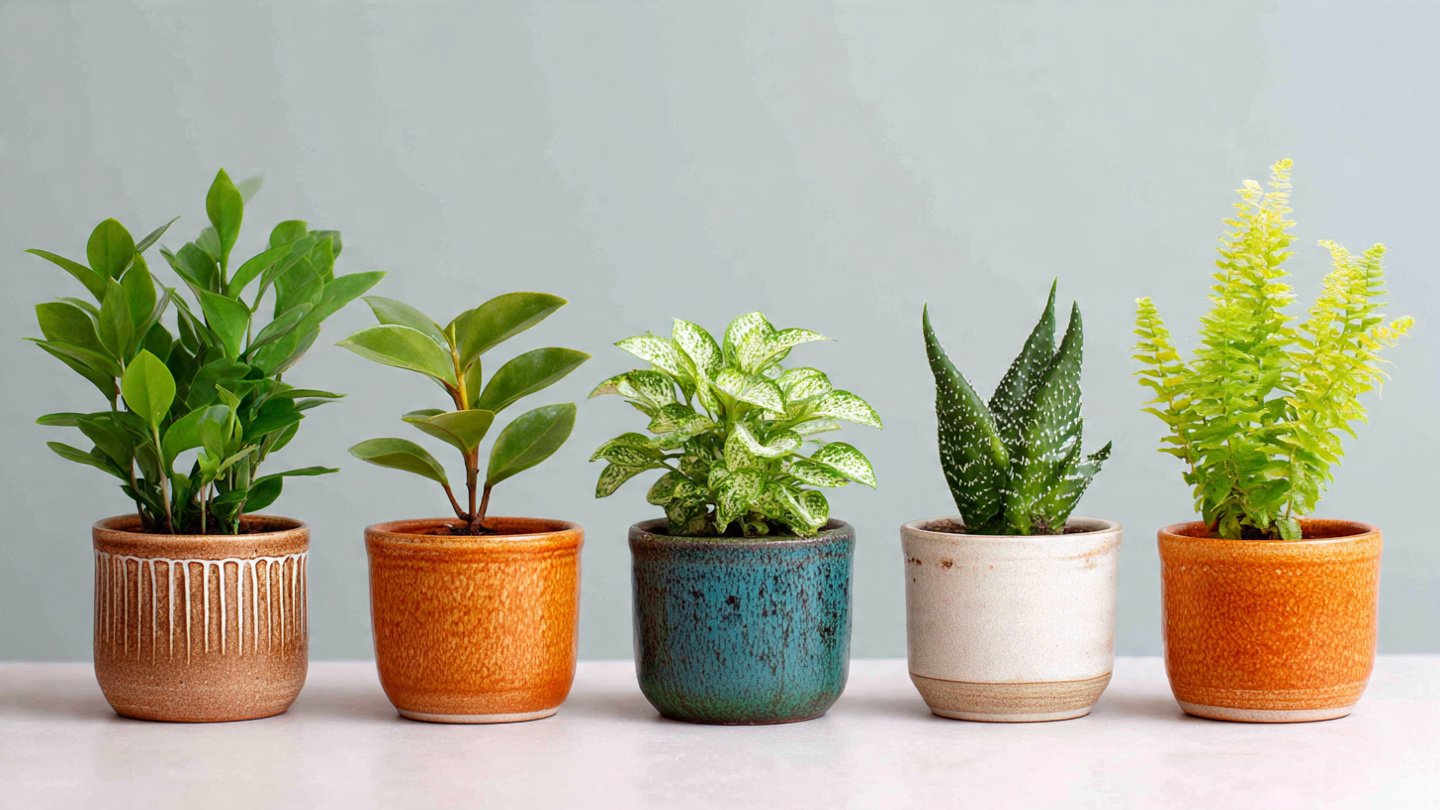
Watering houseplants seems simple, yet the type of water you use can quietly determine whether a plant thrives or slowly declines. While tap water is convenient and safe for humans, it often contains minerals, salts, chlorine, and fluoride that some houseplants cannot tolerate. Over time, these substances can build up in the soil, damage roots, and cause visible stress in sensitive plants. Understanding which houseplants struggle with tap water helps prevent common problems and leads to healthier, more vibrant indoor greenery.
This article explores five popular houseplants that do not do well with tap water, explains why they react poorly, and offers practical insights into recognizing water-related stress.
Why Tap Water Can Be a Problem for Some Plants
Tap water quality varies by location, but it often contains dissolved minerals such as calcium and magnesium, which contribute to hard water. It may also include chlorine or chloramine used for disinfection, as well as fluoride added for dental health. While these substances are generally harmless to people, certain plants evolved in environments with rainwater or mineral-poor water and are sensitive to chemical buildup.
Repeated watering with tap water can cause salts to accumulate in the soil. This interferes with nutrient absorption, alters soil pH, and damages delicate root systems. The result is often leaf discoloration, browning tips, slowed growth, or failure to thrive despite proper care.
Calatheas Are Highly Sensitive to Tap Water
Calatheas are admired for their striking foliage patterns and vibrant leaf movement, but they are notoriously sensitive to water quality. These plants often react quickly to minerals and chemicals in tap water. One of the most common signs of tap water stress in calatheas is brown, crispy leaf edges or curling leaves.
Calatheas naturally grow in tropical rainforest environments where they receive pure rainwater. Tap water minerals accumulate rapidly in their soil, leading to root stress and nutrient imbalance. Even brief exposure to poor-quality water can affect their appearance. Inconsistent leaf color and faded patterns are often early warning signs that the water source is unsuitable.
Because calatheas already require high humidity and stable conditions, poor water quality adds another layer of stress that can make them difficult to maintain indoors.
Spider Plants React Poorly to Fluoride
Spider plants are often recommended for beginners because of their resilience, but they have one notable weakness: fluoride. Fluoride commonly found in tap water can cause spider plants to develop brown leaf tips and margins. This damage is not due to underwatering or low humidity, as many assume, but rather chemical sensitivity.
Over time, fluoride accumulates in the soil and is absorbed by the plant, where it damages leaf tissue. Even healthy spider plants with proper lighting and care can develop unattractive browning if watered exclusively with tap water.
Because spider plants grow quickly and produce many leaves, they are particularly vulnerable to long-term buildup. The damage may start small but gradually worsens, affecting the plant’s overall appearance and vigor.
Peace Lilies Are Sensitive to Chemicals and Salts
Peace lilies are popular for their elegant white flowers and air-purifying reputation, but they are sensitive to both chlorine and dissolved salts in tap water. These substances can cause leaf tip browning, yellowing, and drooping that does not improve with normal watering adjustments.
Peace lilies naturally grow in moist, shaded environments with consistent rainfall. Tap water chemicals disrupt their delicate root systems and interfere with nutrient uptake. When salt levels rise in the soil, roots struggle to absorb water efficiently, even when moisture is present.
Many peace lily owners misinterpret these symptoms as overwatering or underwatering, leading to further stress. In reality, the issue often lies in the water itself rather than the watering schedule.
Dracaenas Are Highly Reactive to Fluoride and Minerals
Dracaenas are among the most common houseplants affected by tap water quality. They are extremely sensitive to fluoride, which causes brown leaf tips and edges, as well as yellow streaking along the leaves. Even trace amounts of fluoride can trigger visible damage.
These plants store water in their tissues, which means harmful chemicals remain inside the plant longer once absorbed. Over time, this leads to cumulative stress that weakens growth and reduces overall health. Dracaenas may appear fine for months before symptoms suddenly appear, making the cause difficult to identify.
Because dracaenas are slow growers, recovery from water-related damage can also be slow. Continued exposure to tap water often results in chronic decline rather than sudden failure.
Orchids Struggle With Mineral Buildup
Orchids are among the most water-sensitive houseplants, particularly epiphytic varieties grown in bark or moss rather than soil. Tap water minerals accumulate quickly in these growing media, coating roots and interfering with oxygen absorption.
Orchid roots are designed to absorb moisture quickly and then dry out. Mineral buildup disrupts this process, leading to root damage, reduced flowering, and eventual decline. White residue on potting material or roots is a clear sign of mineral accumulation from tap water.
Orchids often show stress through bud drop, wrinkled leaves, or failure to rebloom. These symptoms are frequently attributed to light or temperature issues, but water quality is often the underlying cause.
Signs Your Houseplant Is Suffering From Tap Water
Plants sensitive to tap water often show similar warning signs. Brown leaf tips are the most common indicator, especially when the rest of the leaf remains green. Yellowing leaves, stunted growth, and reduced flowering can also signal chemical stress.
White crusts on the soil surface or pot rim indicate salt buildup. In severe cases, roots may appear damaged or discolored when the plant is removed from its container. These symptoms often persist even when watering frequency and lighting are correct.
Recognizing these signs early allows for corrective action before long-term damage occurs.
Why Some Plants Tolerate Tap Water Better Than Others
Not all houseplants are affected by tap water. Many species evolved in environments with mineral-rich soil or fluctuating water quality and can tolerate higher levels of dissolved salts. Succulents, snake plants, and pothos are examples of plants that often handle tap water without noticeable issues.
Sensitive plants, however, typically come from rainforest or tropical environments where rainfall is the primary water source. Their roots are adapted to low-mineral conditions and cannot process excess chemicals efficiently.
Understanding a plant’s natural habitat offers valuable insight into its water preferences and tolerance levels.
Long-Term Effects of Using the Wrong Water
Using unsuitable water may not kill a plant immediately, but it creates chronic stress that weakens overall health. Over time, this reduces resistance to pests, diseases, and environmental changes. Plants may survive but never reach their full potential in size, color, or flowering.
Because symptoms develop gradually, many plant owners blame themselves or change care routines unnecessarily. In reality, switching water sources often resolves persistent issues that seemed unexplainable.
Creating Better Watering Habits
Being mindful of water quality is just as important as watering frequency. Allowing water to sit before use can help chlorine dissipate, but it does not remove fluoride or dissolved minerals. Regularly flushing soil to remove buildup can help, but it is not always sufficient for sensitive plants.
Using appropriate water sources supports healthier roots, stronger leaves, and more consistent growth. For plant lovers who invest time and care into their indoor gardens, adjusting water habits is one of the simplest yet most impactful improvements.
Conclusion
Tap water may be convenient, but it is not always suitable for every houseplant. Calatheas, spider plants, peace lilies, dracaenas, and orchids are among the most common plants that react poorly to chemicals and minerals found in tap water. Their symptoms often appear as brown leaf tips, yellowing, or slowed growth, leading to frustration and confusion.
Understanding water sensitivity allows plant owners to make informed choices that support long-term health. By recognizing which plants struggle with tap water and why, gardeners can prevent damage before it occurs. Small adjustments in watering practices can make a dramatic difference, turning struggling plants into thriving ones and creating a healthier indoor environment overall.