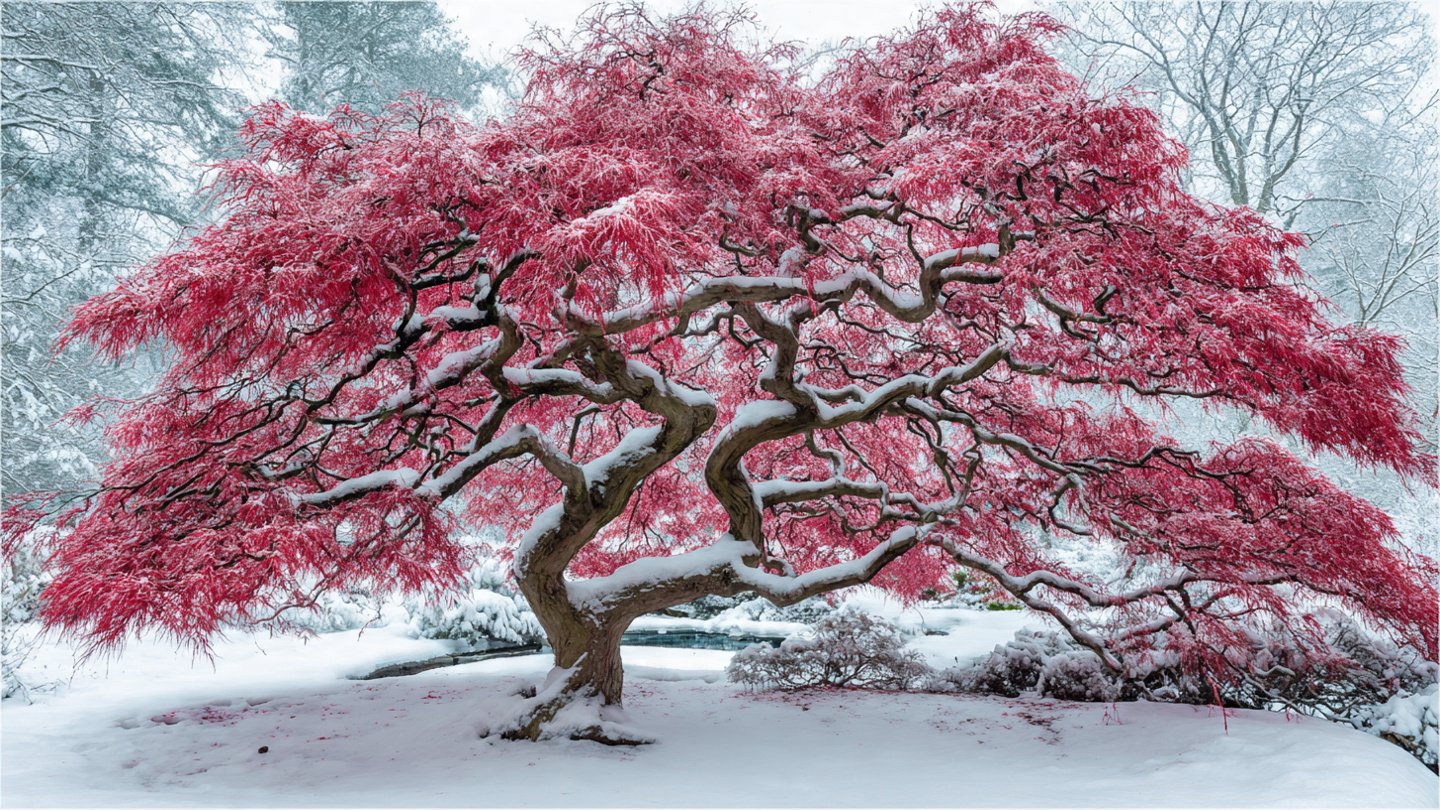
Japanese maple trees are prized for their elegant structure, delicate leaves, and dramatic seasonal color. Because they are often used as focal points in gardens and landscapes, proper pruning is essential to maintain their beauty and long-term health. One of the most common questions gardeners ask is whether winter is a bad time to prune a Japanese maple. The answer is not a simple yes or no. Winter pruning can be beneficial when done correctly, but it also carries risks if approached without understanding the tree’s growth habits and seasonal responses.
To understand winter pruning, it helps to first understand how Japanese maple trees grow. These trees are deciduous, meaning they lose their leaves in autumn and enter dormancy during winter. Dormancy is a period when growth slows dramatically, sap flow is reduced, and the tree conserves energy. Because the tree is not actively growing, pruning during this time does not stimulate immediate new growth, which can be an advantage in certain situations.
One of the main benefits of winter pruning is visibility. Without leaves, the branch structure of a Japanese maple is fully exposed. This makes it easier to see crossing branches, awkward growth patterns, and structural imbalances. Gardeners can evaluate the tree’s natural form and make more precise cuts. Winter pruning allows for thoughtful shaping that enhances the tree’s graceful silhouette rather than relying on guesswork hidden by foliage.
Another advantage of winter pruning is reduced stress on the tree. Because the tree is dormant, it is not actively directing energy to leaves or new shoots. Carefully removing branches during this period allows the tree to redirect its stored energy in spring toward healthy growth rather than maintaining damaged or unnecessary limbs. When done properly, winter pruning can actually improve vigor and structure.
However, winter pruning also has potential drawbacks. One of the most significant concerns is cold damage. Fresh pruning cuts expose inner wood, which can be more vulnerable to extreme cold. In regions where winters are harsh or unpredictable, pruning during the coldest months may increase the risk of frost damage at the cut sites. This can lead to dieback, where the branch dies back beyond the cut, affecting the tree’s appearance and health.
Timing within winter matters greatly. Early winter, just after leaf drop, and late winter, just before bud swell, are generally safer than midwinter during extreme cold. Late winter is often preferred because the worst freezes have usually passed, and the tree is close to resuming growth. This timing allows wounds to heal more quickly once temperatures rise.
Another issue to consider is sap bleeding. Japanese maples are known for bleeding sap when pruned at the wrong time, particularly in late winter or early spring as sap begins to rise. While sap bleeding looks alarming, it is usually not harmful to the tree. Still, excessive bleeding can be stressful and unsightly. Pruning too late in winter, especially just as buds are swelling, increases the likelihood of sap flow from cuts.
The type of pruning being done also determines whether winter is appropriate. Structural pruning, such as removing dead, diseased, or damaged branches, is generally safe and beneficial in winter. These cuts improve airflow, reduce disease risk, and prevent weak branches from breaking under snow or ice. Removing problematic branches during dormancy helps prepare the tree for healthy growth in spring.
On the other hand, heavy aesthetic pruning or aggressive reshaping is riskier in winter. Japanese maples respond best to gradual, minimal pruning that respects their natural form. Removing large amounts of wood during winter can shock the tree, especially if followed by severe weather. Over-pruning may also reduce the tree’s energy reserves, leading to weaker growth in spring.
Young Japanese maple trees require extra caution. Their thinner bark and less established root systems make them more vulnerable to cold injury. Pruning young trees in winter should be limited to correcting structural problems or removing clearly dead branches. For young specimens, light pruning during the growing season may be a safer option for shaping.
Mature Japanese maples are generally more tolerant of winter pruning, provided cuts are made thoughtfully. Mature trees benefit from occasional thinning to remove congested growth and maintain airflow. Winter allows gardeners to see the overall structure clearly, making it easier to preserve the tree’s layered branching pattern.
Tool hygiene is another important consideration. Winter pruning does not eliminate the risk of disease transmission. Using clean, sharp tools is essential regardless of season. Clean cuts heal more efficiently, reducing the chance of infection. Dull tools can crush tissue, leaving wounds that take longer to close and are more susceptible to damage.
Climate plays a major role in deciding whether winter pruning is a bad idea. In mild climates with relatively stable winter temperatures, winter pruning is often safe and commonly practiced. In colder regions with frequent deep freezes, it may be better to wait until late winter or early spring when temperatures begin to moderate. Understanding local weather patterns is key to making the right decision.
Another factor is the tree’s overall health. A stressed or weakened Japanese maple should not be pruned heavily in winter. Trees that have suffered from drought, disease, or pest issues need their stored energy to recover. Removing branches during dormancy may further deplete reserves needed for spring growth. In such cases, delaying pruning until the tree shows signs of active recovery may be wiser.
It is also important to consider the purpose of pruning. If the goal is to remove dead or dangerous branches, winter is often an excellent time. If the goal is to refine shape, reduce size, or enhance ornamental appeal, light pruning in summer may offer better results. Summer pruning slows growth and allows gardeners to see how the tree responds in real time.
Many experts recommend a balanced approach. Major structural decisions can be made in winter when the tree’s form is visible, while fine-tuning and aesthetic adjustments are done during the growing season. This combination reduces stress and allows the tree to recover more evenly throughout the year.
One misconception is that trees need pruning every year. Japanese maples grow slowly and naturally develop graceful forms. Excessive pruning, regardless of season, often causes more harm than good. Sometimes the best decision is to leave the tree alone and let it express its natural shape.
So, is it a bad idea to prune your Japanese maple tree in the winter? The answer depends on how, when, and why you prune. Winter pruning is not inherently bad, but it requires knowledge, restraint, and proper timing. Light, purposeful pruning during dormancy can improve structure and health, while heavy or poorly timed cuts can cause stress and damage.
Understanding your tree, your climate, and your goals makes all the difference. With careful planning and a gentle approach, winter pruning can be a useful tool rather than a risky mistake. When done thoughtfully, it supports the long-term beauty and vitality of Japanese maple trees, allowing them to thrive and remain stunning focal points in the landscape for years to come.