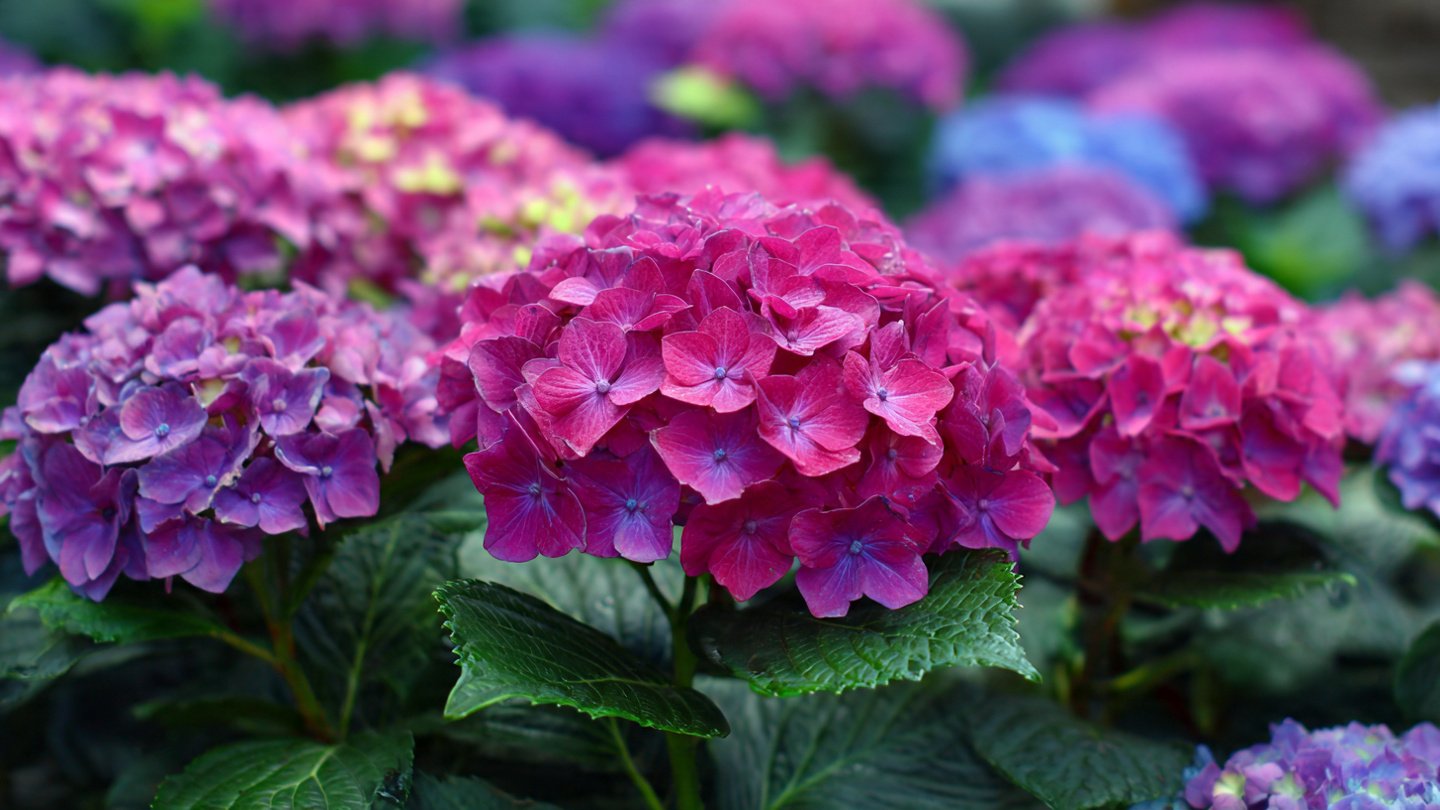
Hydrangeas are beloved for their large, lush blooms and vibrant colors, making them a staple in gardens across the world. However, many gardeners notice a troubling trend: year after year, their hydrangeas produce smaller flowers and diminished growth. If you’ve been wondering why your hydrangeas seem to be shrinking in size, there are several key factors at play. Understanding the biology of hydrangeas, their growth patterns, and the environmental influences that affect them can help you restore your plants to their full glory.
Understanding Hydrangea Growth
Hydrangeas are perennial shrubs, meaning they return year after year. Depending on the variety, they can bloom on old wood, new wood, or both. Understanding this distinction is crucial:
- Old Wood Bloomers: Varieties such as Hydrangea macrophylla produce blooms on stems that grew the previous year. Pruning too late in the season can remove these stems and reduce flower size.
- New Wood Bloomers: Varieties like Hydrangea paniculata and Hydrangea arborescens bloom on current-year growth, making them less sensitive to pruning mistakes but still susceptible to environmental stress.
If your hydrangeas are producing smaller flowers, it’s often because the plant’s growth cycle has been disrupted or stressed, preventing it from developing large, healthy blooms.
Common Causes of Smaller Hydrangeas
Several factors can contribute to smaller flowers, each requiring a different approach to correct.
1. Improper Pruning
Pruning is one of the most common mistakes gardeners make with hydrangeas. Over-pruning old wood bloomers or pruning at the wrong time can significantly reduce bloom size.
- Old Wood Bloomers: Should be pruned immediately after flowering. Cutting them in late summer or fall removes buds for the following season, resulting in smaller blooms.
- New Wood Bloomers: Can tolerate more aggressive pruning in late winter or early spring, but excessive cutting can still stress the plant.
Proper pruning techniques involve removing dead or weak stems while leaving healthy branches intact to support large flowers.
2. Insufficient Sunlight
Hydrangeas require a balance of sunlight and shade, depending on the variety. Insufficient light often leads to smaller blooms:
- Morning Sun: Most hydrangeas thrive with morning sun and afternoon shade. Too little light reduces photosynthesis, weakening the plant and its ability to produce large flowers.
- Too Much Direct Sun: Intense afternoon sun can scorch leaves and stress the plant, leading to smaller or fewer blooms.
Observing how sunlight falls on your hydrangeas throughout the day and adjusting their placement or adding shade cloth can help optimize bloom size.
3. Nutrient Deficiencies
Hydrangeas are heavy feeders, and inadequate nutrients often result in reduced flower size. Key nutrient issues include:
- Nitrogen: Promotes leaf growth but excessive amounts can reduce flower size by prioritizing foliage over blooms.
- Phosphorus: Essential for flower development. Low phosphorus can cause smaller blooms.
- Potassium: Supports overall plant health and bloom quality.
A balanced fertilizer formulated for flowering shrubs, applied at the right time, encourages large, vibrant blooms. Soil testing can determine which nutrients are lacking.
4. Soil pH and Composition
Hydrangeas are sensitive to soil pH, which affects nutrient availability and bloom color (for certain varieties). Poor soil conditions can also stunt flower size.
- Acidic Soil: Encourages blue blooms in Hydrangea macrophylla but can limit nutrient uptake if too acidic.
- Alkaline Soil: Supports pink blooms but may require supplemental nutrients for optimal growth.
- Compacted Soil: Prevents roots from accessing water and nutrients efficiently.
Improving soil with organic matter, such as compost or well-rotted manure, enhances structure, drainage, and nutrient availability.
5. Aging Plants
Older hydrangeas naturally produce smaller flowers over time as the plant diverts energy to maintain existing stems and leaves. Rejuvenating older plants can restore bloom size:
- Rejuvenation Pruning: Cut back one-third of the oldest stems at the base in early spring to encourage new, vigorous growth.
- Division: For some hydrangeas, dividing the plant can stimulate new growth and larger blooms.
A combination of pruning and soil enrichment often revitalizes aging hydrangeas.
6. Pests and Diseases
Hydrangeas are susceptible to various pests and diseases that can stunt growth or reduce bloom size:
- Aphids and Spider Mites: Feed on sap, weakening stems and reducing flower development.
- Powdery Mildew: Interferes with photosynthesis and overall plant vigor.
- Root Rot: Often caused by poor drainage, leading to weaker plants and smaller flowers.
Regular inspection, proper spacing for air circulation, and targeted organic treatments can mitigate these issues.
7. Weather and Climate Factors
Hydrangeas are sensitive to environmental conditions. Late frosts, extreme heat, or prolonged drought can impact flower size:
- Late Frosts: Can kill buds on old wood bloomers, leading to smaller flowers or no blooms.
- Heat Stress: High temperatures can cause flowers to wilt prematurely or form smaller blooms.
- Drought: Inconsistent watering reduces turgor pressure in stems, preventing full flower expansion.
Providing frost protection, mulching to retain soil moisture, and consistent watering schedules help hydrangeas withstand environmental stress.
Practical Solutions to Encourage Larger Blooms
Correcting smaller hydrangeas requires a combination of proper care, pruning, and environmental adjustments:
- Prune at the Right Time: Follow guidelines based on whether your hydrangea blooms on old or new wood. Remove weak stems while retaining bud-bearing branches.
- Fertilize Appropriately: Use a bloom-focused fertilizer with phosphorus to encourage larger flowers. Avoid excessive nitrogen.
- Optimize Light: Ensure plants receive morning sun and afternoon shade. Adjust placement if necessary.
- Improve Soil: Test soil pH and amend with compost, organic matter, or sulfur/limestone to adjust acidity.
- Water Consistently: Hydrangeas require deep watering during dry spells to maintain flower size.
- Control Pests and Disease: Inspect regularly, remove affected leaves, and apply organic treatments when necessary.
- Rejuvenate Aging Plants: Use selective pruning or division to stimulate new growth.
Consistency and attention to detail over several seasons are key to restoring hydrangeas to their full bloom potential.
Tips for Long-Term Success
- Mulch: Apply a 2–3 inch layer of organic mulch around the base to retain moisture, moderate soil temperature, and reduce weeds.
- Avoid Crowding: Plant hydrangeas with adequate spacing to ensure proper air circulation and reduce disease risk.
- Support Stems: For tall varieties, consider staking to prevent stems from bending under the weight of large blooms.
- Monitor Soil Health: Periodically test and amend soil to maintain fertility and pH balance.
By integrating these strategies, your hydrangeas can regain vigor, producing large, vibrant blooms year after year.
Conclusion
Smaller hydrangea blooms are a common challenge, but with careful observation and proper care, it is possible to reverse the trend. Factors such as improper pruning, insufficient sunlight, nutrient deficiencies, soil problems, pests, diseases, and environmental stress all play a role in reducing flower size. By understanding the specific needs of your hydrangea variety and addressing these issues through proper pruning, fertilization, and environmental adjustments, you can restore your plants to their former glory.
Healthy, vibrant hydrangeas not only enhance the beauty of your garden but also provide a sense of satisfaction and accomplishment for any gardener. Paying attention to their unique requirements ensures that your hydrangeas will continue to produce large, stunning flowers for many years to come. With the right care and attention, you can enjoy the lush, full blooms that make hydrangeas such a treasured addition to gardens worldwide.