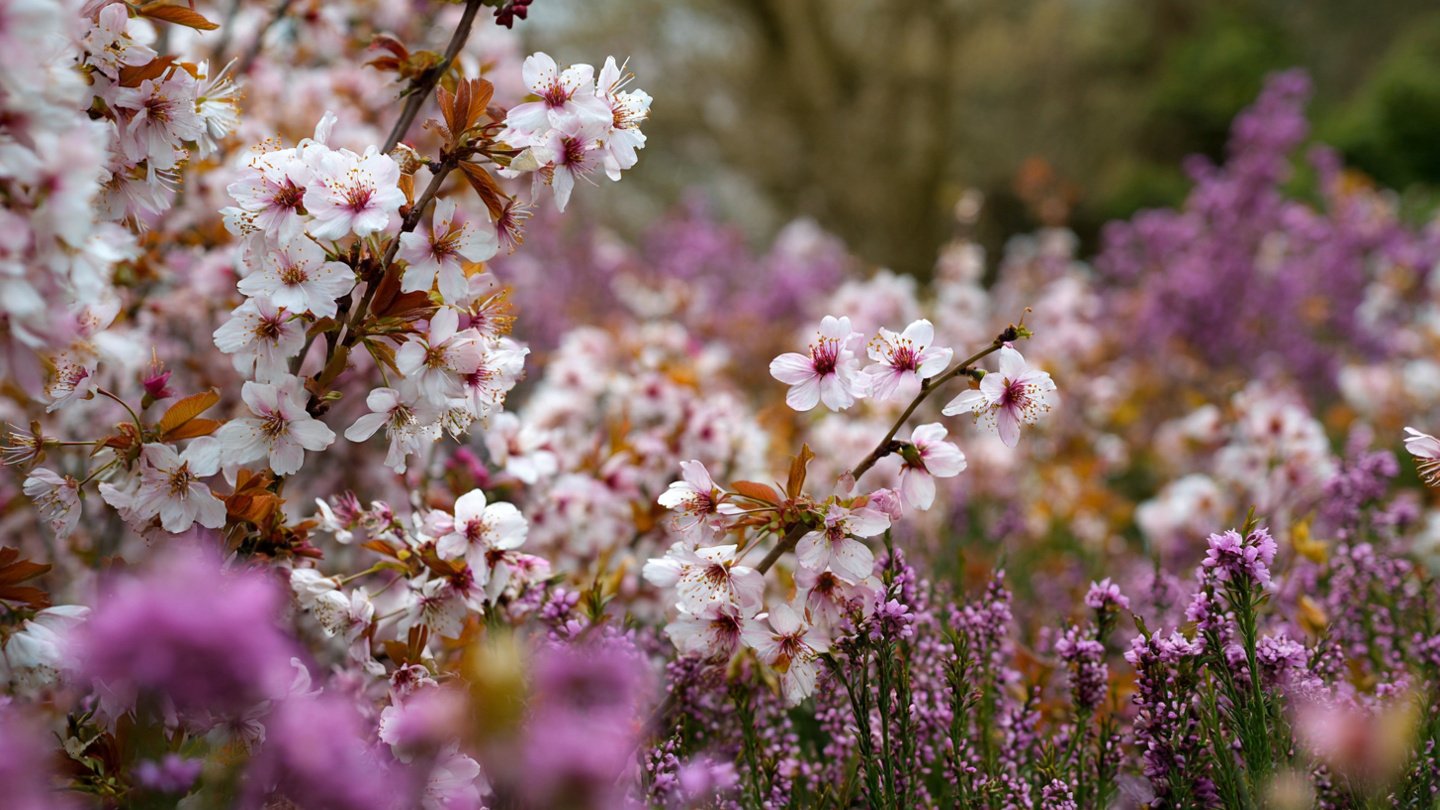
Blossom drop is one of the most frustrating problems gardeners face. You nurture your plants through bud formation, eagerly anticipating vibrant flowers that will develop into fruits or seeds, only to see them fall prematurely. While many factors contribute to blossom drop—including temperature fluctuations, nutrient imbalances, and pest pressure—wind is an often overlooked culprit. Strong winds can cause stress on delicate flowers, physically knocking them off plants or disrupting the reproductive processes that lead to fruit set. Fortunately, a well-designed windbreak can prevent this issue, protecting blossoms and ensuring a healthier, more productive garden. In this article, we explore the mechanics of blossom drop, the role of wind in this phenomenon, and how creating an effective windbreak can save your garden.
Understanding Blossom Drop
Blossom drop occurs when flowers fail to remain attached to the plant until pollination and fruit formation can take place. It is common in many fruiting plants, such as tomatoes, peppers, apples, pears, and citrus, but it can also affect ornamental flowers. There are several causes:
- Environmental Stress: Extreme heat, cold, or drought can weaken the flower’s attachment to the plant.
- Nutrient Imbalance: Excess nitrogen can promote leaf growth over flower retention, while insufficient phosphorus and potassium can reduce flower strength.
- Pollination Issues: Poor pollination can cause flowers to drop prematurely.
- Wind Stress: High winds cause mechanical damage to flowers and interfere with pollination.
Among these, wind stress is both preventable and often underestimated. While gardeners focus on watering, fertilization, or pollination, the physical damage caused by wind can silently sabotage an otherwise healthy garden.
How Wind Causes Blossom Drop
Wind affects plants in several ways, both directly and indirectly:
- Mechanical Damage: Strong gusts physically shake or tear delicate blossoms, causing them to fall before pollination occurs.
- Reduced Pollination Efficiency: Many plants rely on pollinators, such as bees and butterflies, to transfer pollen. Wind can deter these insects from visiting flowers or blow pollen away before fertilization occurs.
- Increased Transpiration: Wind accelerates the evaporation of moisture from leaves and flowers. This can lead to water stress, weakening flowers and causing them to drop.
- Temperature Fluctuations: Wind can intensify heat loss or gain in garden microclimates, exposing blossoms to rapid temperature changes that stress the plant.
Even moderate winds over an extended period can lead to significant blossom loss, reducing overall yield in both vegetable and fruit gardens. This is where the strategic use of a windbreak becomes critical.
What Is a Windbreak?
A windbreak is any structure, natural or man-made, designed to reduce wind speed and protect plants from its damaging effects. Windbreaks do not completely eliminate wind but diffuse it, creating a calmer microclimate behind the barrier. This reduced wind stress allows plants to retain their blossoms, promotes effective pollination, and maintains moisture levels in the soil and foliage.
Windbreaks can be:
- Natural: Rows of trees, shrubs, or hedges.
- Artificial: Fences, screens, or shade cloth structures.
- Temporary: Burlap screens, garden fabric, or movable barriers for seasonal protection.
A properly designed windbreak protects the garden without blocking sunlight or airflow entirely, which is crucial for plant health.
Benefits of a Windbreak Beyond Blossom Retention
While preventing blossom drop is a primary benefit, a windbreak offers additional advantages for garden productivity:
- Reduced Soil Erosion: Windbreaks protect topsoil from being blown away, preserving soil fertility.
- Moisture Conservation: Slower winds reduce evaporation from both soil and plant leaves, promoting consistent moisture levels.
- Temperature Moderation: Windbreaks buffer extreme temperature swings, creating a more stable environment for delicate plants.
- Pest and Disease Management: Windbreaks can reduce the spread of airborne pests and spores while supporting beneficial insects that prefer calmer conditions.
By mitigating multiple environmental stresses, a windbreak creates an ideal microclimate for flowering, fruiting, and overall plant growth.
Designing an Effective Windbreak
Creating a successful windbreak requires consideration of height, density, orientation, and type of barrier. The goal is to reduce wind speed without completely blocking airflow, which could create stagnant conditions conducive to disease.
1. Height and Length:
- Windbreaks should be taller than the plants they protect. For most vegetables and flowers, a height of 4–6 feet is sufficient, while fruit trees may require taller barriers.
- Extend the windbreak beyond the area you want to protect; wind flows around short or narrow barriers and can still affect plants.
2. Density:
- A solid wall or dense barrier may block wind completely, causing turbulence along the edges.
- Semi-permeable barriers (50–60% density) are ideal because they slow wind gradually, reducing mechanical stress on plants. Natural hedges with spaced foliage or mesh screens are perfect examples.
3. Orientation:
- Position windbreaks perpendicular to the prevailing wind direction. Observe seasonal wind patterns to determine the most effective placement.
- Multiple windbreaks may be necessary in areas with variable wind directions.
4. Materials:
- Natural Windbreaks: Trees and shrubs like arborvitae, willow, or bamboo provide long-term protection. Mix deciduous and evergreen plants for year-round coverage.
- Artificial Windbreaks: Wooden slats, bamboo fencing, shade cloth, or garden netting provide flexible, temporary solutions. Choose materials that allow some airflow to avoid creating high-pressure zones that can damage plants.
Planting a Natural Windbreak
Natural windbreaks offer ecological benefits beyond wind protection. They attract pollinators, birds, and beneficial insects, supporting overall garden health.
Steps to plant a natural windbreak:
- Choose Species: Select hardy, fast-growing trees or shrubs suited to your climate. Evergreens provide year-round protection, while deciduous plants offer seasonal benefits.
- Spacing: Plant trees or shrubs in rows with adequate spacing to allow healthy growth. Overcrowding can stunt development, while too much spacing reduces effectiveness.
- Layering: Combine taller trees with lower shrubs to create multiple layers that diffuse wind at different heights.
- Maintenance: Prune regularly to maintain density and shape, ensuring consistent wind protection.
A well-planned natural windbreak not only prevents blossom drop but also improves garden aesthetics and biodiversity.
Temporary or Movable Windbreaks
In situations where permanent planting isn’t feasible, temporary or movable windbreaks provide an excellent solution.
- Burlap Screens: Easily attached to stakes or poles along garden beds. They are semi-permeable, allowing airflow while reducing wind speed.
- Garden Fabric or Shade Cloth: Lightweight fabrics can be draped over frames to protect flowers and young plants from gusts.
- Portable Panels: Wooden or PVC panels can be moved to protect different sections of the garden as needed.
Temporary windbreaks are ideal for vegetable gardens, balcony planters, or seasonal protection in areas with high winds.
Additional Tips for Preventing Blossom Drop
While windbreaks address the mechanical aspect of blossom drop, combining this strategy with other care practices ensures maximum flower retention:
- Water Consistently: Keep soil evenly moist to reduce stress on flowering plants.
- Fertilize Appropriately: Avoid excessive nitrogen, which promotes leafy growth at the expense of flowers. Focus on phosphorus and potassium for strong blooms.
- Timing of Planting: Schedule planting when seasonal winds are minimal or when the windbreak will provide protection during peak flowering periods.
- Support Plants: Use stakes, cages, or trellises to stabilize plants, reducing mechanical stress from residual wind.
These practices, combined with a well-designed windbreak, create a comprehensive strategy for minimizing blossom drop.
Conclusion
Blossom drop can drastically reduce fruit yield, flower display, and garden satisfaction, yet it is largely preventable. Wind stress is a major, often underestimated cause of premature flower loss, but creating a windbreak offers a simple, effective solution. By reducing wind speed, protecting flowers from mechanical damage, and creating a calmer microclimate, windbreaks allow blossoms to stay attached long enough to be pollinated and produce fruits.
Whether through natural hedges, trees, shrubs, or temporary screens and fences, implementing a windbreak transforms your garden environment. Combined with proper watering, fertilization, and plant support, this strategy ensures stronger, healthier plants, more abundant flowers, and higher yields. The next time spring winds threaten your garden, remember that a well-placed windbreak can save your blossoms—and your harvest—for good.
With thoughtful placement, careful selection of materials, and attention to airflow, windbreaks do more than just block gusts—they preserve the beauty, productivity, and vitality of your garden. Protect your blooms, stabilize your plants, and enjoy the rewards of a garden where blossom drop is no longer a problem.