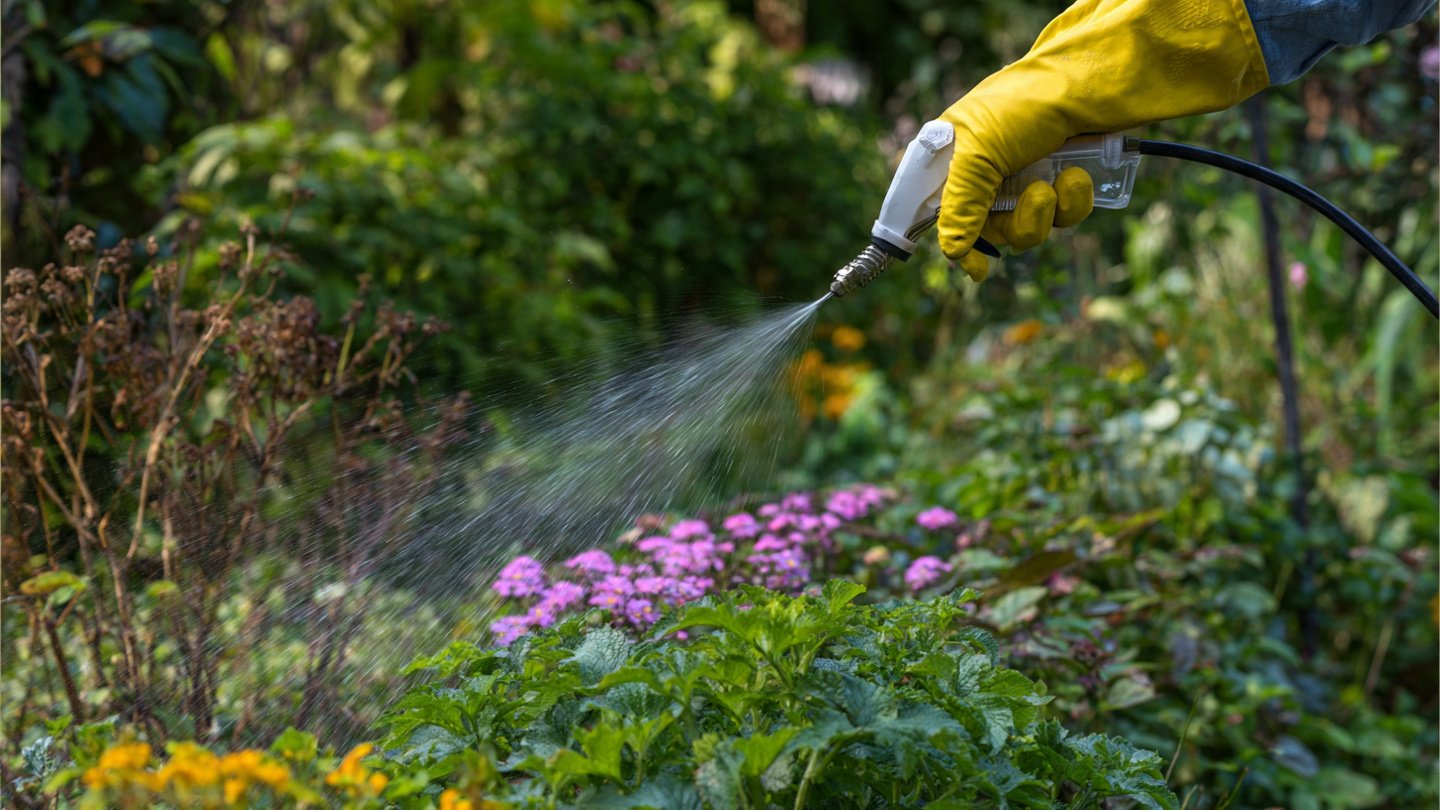
Weeds are one of the most persistent challenges faced by gardeners. They compete with desirable plants for sunlight, nutrients, and water, often growing faster and stronger if left unmanaged. While commercial weed killers are widely available, many gardeners are increasingly looking for natural, affordable, and environmentally friendly alternatives. One solution that has gained popularity is vinegar spray. Using vinegar to control garden weeds is a simple practice with several practical and ecological advantages that make it worth considering.
One of the main reasons gardeners choose vinegar spray is its natural origin. Vinegar is made through the fermentation of alcohol and contains acetic acid, which is effective at breaking down plant tissues. When sprayed directly onto weeds, vinegar draws moisture out of the leaves, causing them to dry out and die back. This process happens quickly, often showing visible results within hours, making vinegar spray an appealing option for those who want fast action without synthetic chemicals.
Environmental safety is another strong reason to use vinegar spray on garden weeds. Many chemical herbicides can linger in the soil, seep into groundwater, or harm beneficial insects and microorganisms. Vinegar, when used carefully, breaks down naturally and does not leave long-lasting residues. For gardeners who are concerned about protecting soil health, pollinators, pets, and nearby wildlife, vinegar spray offers a more eco-conscious approach to weed control.
Cost effectiveness also plays a significant role in the appeal of vinegar spray. Vinegar is inexpensive and widely available in most households, eliminating the need to purchase specialized products. This makes it especially useful for large gardens or frequent weed control, where the cost of commercial herbicides can add up quickly. With vinegar spray, gardeners can manage weeds efficiently without straining their budget.
Vinegar spray is particularly effective against young and annual weeds. These weeds have softer tissues and shallower root systems, making them more vulnerable to the dehydrating effects of acetic acid. By applying vinegar early, gardeners can prevent weeds from establishing themselves and spreading throughout the garden. This proactive approach reduces the need for repeated treatments later in the growing season.
Another advantage of vinegar spray is the level of control it provides. Because vinegar is a contact-based solution, it only affects the plants it touches. This allows gardeners to target specific weeds without disturbing the surrounding soil. When applied carefully, vinegar spray can be used in tight spaces such as between paving stones, along garden borders, or in cracks where weeds tend to thrive.
The simplicity of using vinegar spray is also appealing. There is no need for complicated equipment or protective gear beyond basic precautions. A simple spray bottle or garden sprayer is sufficient for application. This ease of use makes vinegar spray accessible to gardeners of all experience levels, from beginners to seasoned growers.
In addition to its weed-killing properties, vinegar spray can encourage better gardening habits. Because it requires careful application, gardeners become more attentive to the layout of their plants and the growth patterns of weeds. This increased awareness often leads to improved garden planning, mulching, and maintenance practices that further reduce weed problems naturally.
However, it is important to understand that vinegar spray is not selective. While it is natural, it can still harm desirable plants if sprayed directly on them. This is why careful application is essential. Spraying on a calm, sunny day helps ensure that the vinegar stays on the intended weeds and does not drift onto nearby plants. Using vinegar responsibly allows gardeners to enjoy its benefits while minimizing risks.
Vinegar spray also supports sustainable gardening philosophies. Choosing natural solutions over chemical ones aligns with practices that aim to work with nature rather than against it. By reducing reliance on synthetic herbicides, gardeners contribute to healthier ecosystems and promote long-term soil fertility. This approach reflects a growing awareness of the interconnectedness between gardening choices and environmental well-being.
Another reason to consider vinegar spray is its effectiveness in non-planting areas. Paths, driveways, patios, and fence lines often attract weeds that are difficult to remove manually. Vinegar spray is especially useful in these locations, where the risk of harming cultivated plants is minimal. Regular application in these areas can keep them clean and weed-free without resorting to harsh chemicals.
Vinegar spray can also complement other weed management strategies. It works well alongside mulching, hand weeding, and proper plant spacing. When combined with these methods, vinegar spray becomes part of an integrated approach that reduces weed pressure over time. This balanced strategy helps gardeners maintain control without overusing any single method.
Seasonal timing plays a role in the success of vinegar spray. Warm, sunny conditions enhance its effectiveness, as heat and sunlight accelerate the drying process. Applying vinegar during these conditions increases the likelihood of quick and visible results. Understanding when and how to use vinegar spray helps gardeners achieve better outcomes with less effort.
While vinegar spray may not eliminate deep-rooted perennial weeds entirely, it can weaken them over time. Repeated applications to new growth can eventually exhaust the plant’s energy reserves. For gardeners willing to be patient and consistent, vinegar spray can be a valuable tool in managing even stubborn weeds as part of a broader strategy.
Finally, using vinegar spray encourages a mindset of resourcefulness. It demonstrates that effective garden solutions do not always require complex or expensive products. Simple household items, when used thoughtfully, can address common gardening challenges. This perspective fosters creativity and confidence, empowering gardeners to experiment with natural methods and develop a deeper connection to their gardens.
In conclusion, spritzing your garden weeds with vinegar spray offers numerous benefits, from environmental safety and affordability to simplicity and effectiveness. While it requires careful use, vinegar spray provides a practical alternative to chemical herbicides and supports a more sustainable approach to gardening. By understanding its strengths and limitations, gardeners can use vinegar spray as a reliable tool in maintaining healthy, beautiful, and eco-friendly outdoor spaces.