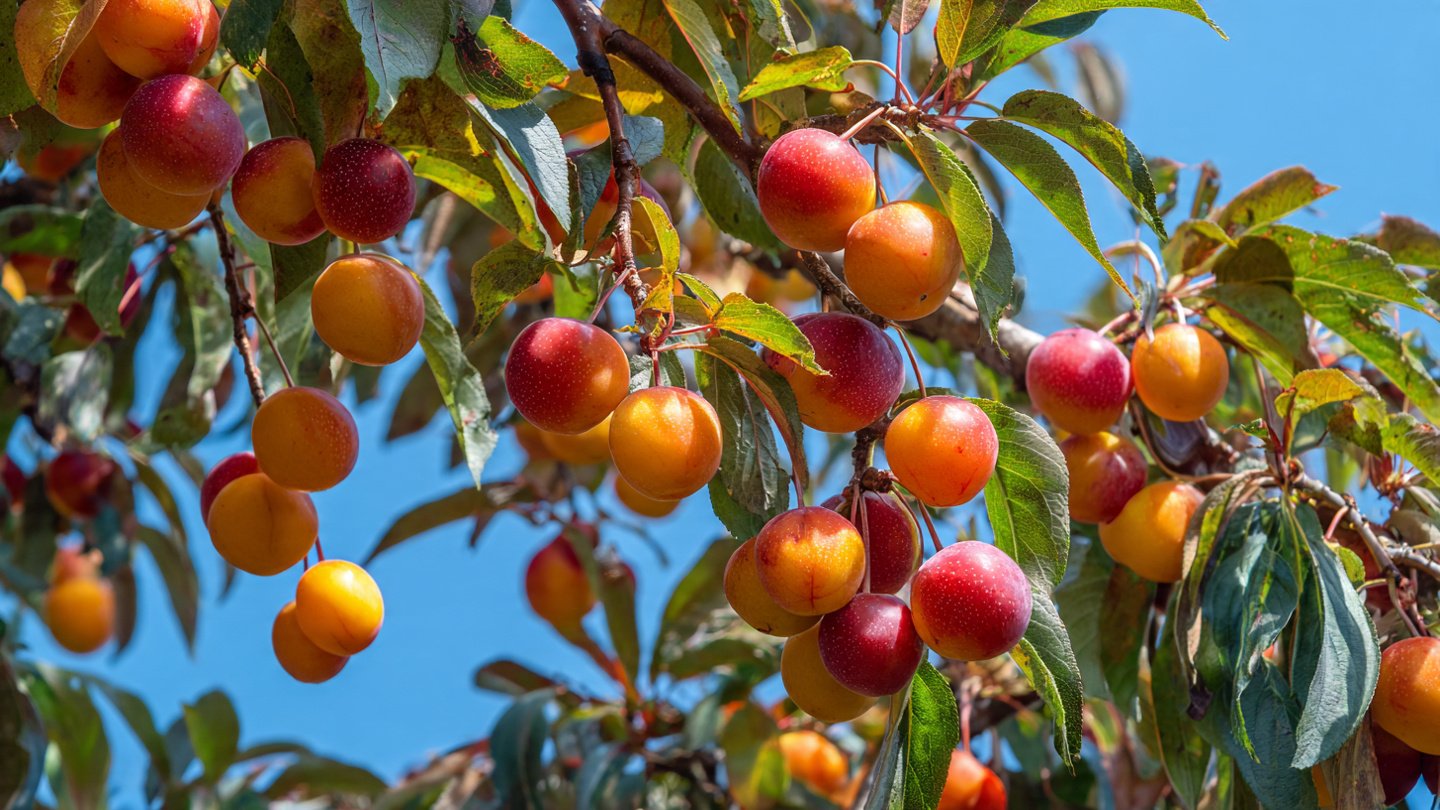
Few things are as disheartening for a gardener as seeing fruit trees drop their fruits prematurely. You may have nurtured the tree throughout the season, provided water and fertilizer, and watched buds bloom, only to find that small fruits fall before ripening. While fruit drop can be a natural process in some cases, early fruit loss often indicates stress, pests, or nutritional imbalances that affect the tree’s health and productivity. Understanding the causes of premature fruit drop is essential for maintaining healthy fruit trees and maximizing yield.
Natural Fruit Drop: When It’s Normal
Before exploring problems, it’s important to recognize that some fruit drop is natural. Many trees overproduce flowers and tiny fruits as part of their reproductive strategy. This early thinning allows the tree to allocate resources to the strongest fruits, ensuring proper development.
- June drop: In many apple, peach, and pear trees, fruitlets drop naturally in late spring, a process known as “June drop.”
- Over-pollination: Some trees produce more flowers than they can support. Fruit drop helps the tree focus energy on fewer, higher-quality fruits.
If fruit drop occurs in small, unripe fruits during the typical thinning period and not repeatedly throughout the season, it may be a normal and healthy process. However, excessive or late fruit drop signals an underlying problem.
Environmental Stress
Fruit trees are sensitive to environmental conditions, and stress is one of the most common causes of early fruit drop.
1. Temperature Extremes
- Frost: Late spring frosts can damage blossoms and young fruit, causing them to drop prematurely.
- Heat stress: High temperatures during fruit set or early growth can result in dehydration and fruit drop.
2. Water Stress
- Underwatering: Lack of water prevents the tree from supporting developing fruits, leading to early drop.
- Overwatering: Excess water reduces oxygen in the roots and may trigger root rot, also causing fruit loss.
3. Wind and Physical Damage
Strong winds or heavy rains can knock fruit off branches, especially in young or weak trees. Protective measures, such as staking or windbreaks, can reduce mechanical fruit loss.
Maintaining consistent, moderate watering and protecting trees from extreme weather can significantly reduce stress-related fruit drop.
Nutritional Deficiencies
Fruit trees require a balanced supply of nutrients to develop healthy fruit. Nutrient imbalances often manifest as early fruit drop.
- Nitrogen: Both too little and too much nitrogen can be problematic. Low nitrogen limits leaf growth and energy production, while excessive nitrogen encourages leafy growth at the expense of fruits.
- Calcium: Deficiency may cause blossom end rot or premature fruit drop in apples, peaches, and tomatoes.
- Potassium and Phosphorus: Essential for fruit development; deficiencies can result in small, weak fruits that fall off.
Regular soil testing and targeted fertilization ensure trees receive the nutrients they need to support fruit growth. Foliar feeding can also be used during flowering and early fruiting stages to correct deficiencies quickly.
Pests and Diseases
Insects and pathogens can cause fruit trees to drop fruit prematurely.
1. Insects
- Aphids: Suck sap from leaves and flowers, weakening the tree and causing fruit to drop.
- Fruit flies: Lay eggs inside developing fruit, causing it to rot and fall prematurely.
- Mites: Infest leaves and reduce photosynthesis, reducing the energy available for fruit support.
2. Diseases
- Brown rot: Common in stone fruits like peaches and plums, causing fruit to drop and decay.
- Fire blight: A bacterial infection in apples and pears that can stress the tree and lead to fruit loss.
- Powdery mildew: Weakens the tree and affects flower and fruit development.
Regular monitoring, proper pruning, and timely treatment with insecticidal soaps or fungicides can help manage pests and diseases effectively.
Overcrowding and Thinning
Many fruit trees naturally produce more fruit than they can support. If small fruits are clustered too closely, the tree may shed excess fruit to allocate energy efficiently.
- Manual thinning: Removing some fruits early in the season can prevent stress and encourage larger, healthier fruits to develop.
- Pruning: Proper pruning improves sunlight penetration and air circulation, reducing competition among developing fruits and minimizing disease risk.
Overcrowding is a natural cause of fruit drop, but strategic thinning improves overall fruit quality and yield.
Improper Pollination
Fruit set depends on effective pollination. Poor pollination can result in underdeveloped fruits that drop early.
- Pollinator absence: Bees and other pollinators are essential for many fruit trees. Lack of pollinator activity may result in insufficient fertilization.
- Weather during flowering: Rain or wind can prevent pollinators from visiting flowers.
- Self-incompatibility: Some fruit trees require cross-pollination from another compatible tree variety to set fruit successfully.
Encouraging pollinators, planting compatible varieties, and ensuring flowering occurs under favorable conditions are critical steps to prevent pollination-related fruit drop.
Chemical and Herbicide Damage
Fruit drop can also be triggered by exposure to chemicals:
- Pesticide drift: Spraying nearby plants with herbicides or insecticides can stress fruit trees.
- Growth regulators: Misapplication of growth regulators or fertilizers with high salt content may cause fruit to drop.
Using chemicals carefully, following label instructions, and avoiding applications during flowering or early fruit development can minimize chemical-induced fruit loss.
Timing of Fruit Drop
Identifying when the fruit drop occurs can help pinpoint the cause:
- Early season drop: Usually linked to environmental stress, poor pollination, or nutrient deficiencies.
- Mid-season drop: Often caused by pests, diseases, or water stress.
- Late-season drop: Typically a sign of disease, nutrient imbalance, or mechanical damage.
Keeping a record of fruit drop patterns helps you diagnose problems and take corrective action efficiently.
Steps to Prevent Premature Fruit Drop
By understanding the potential causes, gardeners can implement proactive measures to reduce fruit loss:
- Provide consistent water: Deep watering once or twice a week is better than shallow, frequent watering.
- Maintain balanced nutrition: Conduct soil tests, apply appropriate fertilizers, and supplement with foliar feeds during critical growth stages.
- Prune regularly: Remove overcrowded branches, improve airflow, and reduce stress on developing fruits.
- Monitor for pests and diseases: Regularly inspect leaves, flowers, and fruits; use organic or chemical treatments as needed.
- Thin excess fruits: Reduce fruit load early to allow remaining fruits to grow larger and healthier.
- Protect from extreme weather: Use shade cloths during heat waves, frost covers during late frosts, and windbreaks to reduce physical damage.
- Encourage pollinators: Plant flowering companion plants nearby, avoid insecticides during bloom, and provide a habitat for beneficial insects.
Consistent care, monitoring, and intervention at the right stages are key to preventing early fruit drop.
Conclusion
Premature fruit drop can be frustrating, but understanding the underlying causes helps gardeners take targeted action. While some fruit loss is natural, excessive or late-stage dropping often indicates stress, nutritional imbalance, pest pressure, disease, or improper care. By addressing environmental factors, maintaining balanced nutrition, monitoring for pests and diseases, encouraging pollination, and thinning fruit strategically, you can reduce losses and ensure your fruit trees produce healthy, abundant harvests.
Healthy trees not only yield more fruit but also grow stronger for future seasons. By observing your trees carefully, providing proper care, and addressing problems promptly, early fruit drop can be minimized, allowing you to enjoy the full bounty of your orchard or backyard garden.
Fruit trees are living investments—when nurtured correctly, they reward gardeners with consistent, high-quality harvests year after year. Understanding why fruits drop early and acting accordingly transforms frustration into successful, fruitful gardening.