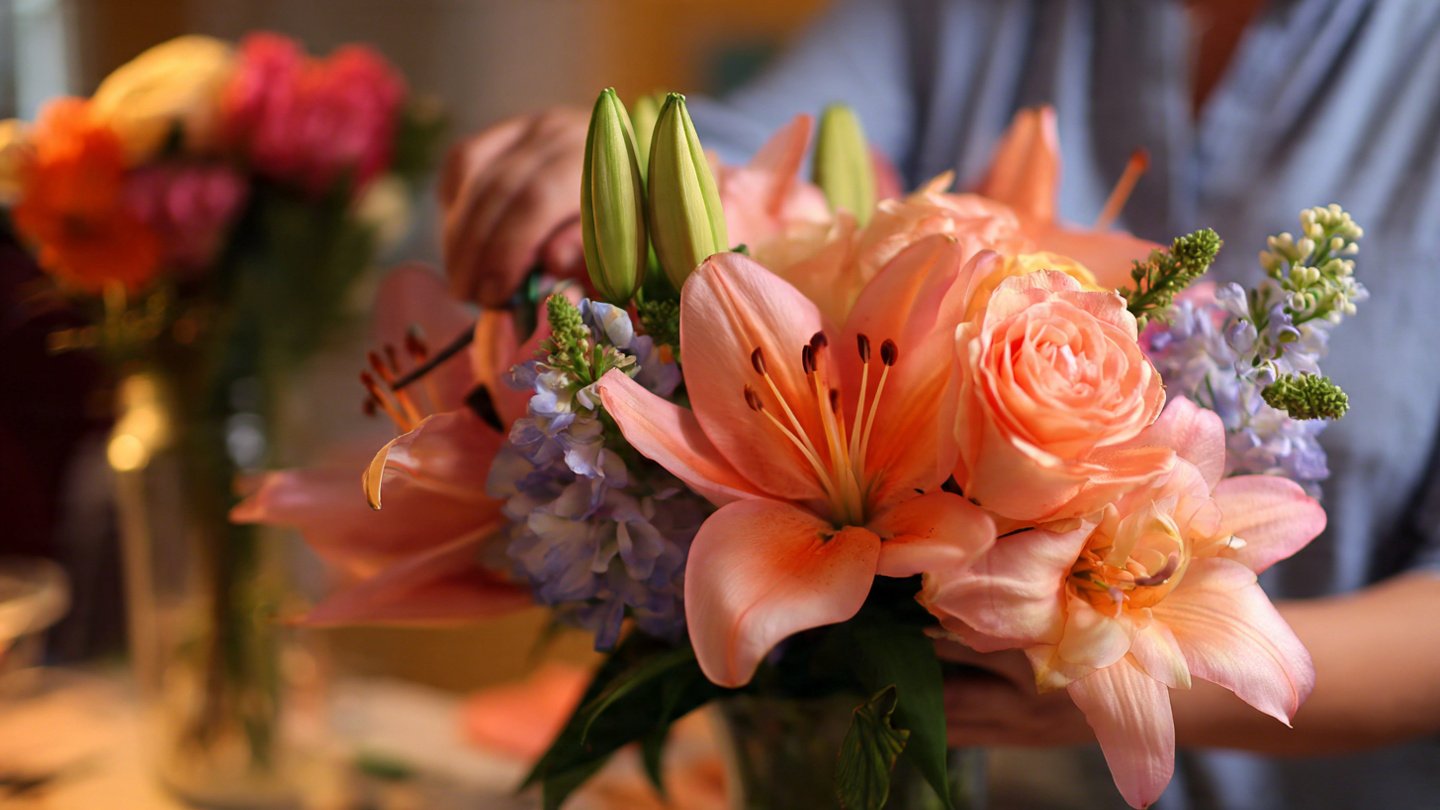
Creating a beautiful bouquet starts long before arranging the flowers in a vase. The process begins in the garden or field, at the very moment the flowers are harvested. One of the most important factors in ensuring a long-lasting, vibrant bouquet is choosing the best time of day to cut flowers. While it may seem like a minor detail, timing can make the difference between flowers that last only a few days and those that remain fresh and radiant for over a week.
Understanding Flower Physiology
Before diving into the ideal timing, it’s helpful to understand the biology of flowers. Plants have a natural rhythm dictated by sunlight, temperature, and water availability. During the day, flowers undergo transpiration, the process of losing water through their leaves and petals. High transpiration rates can lead to wilting, drooping, and reduced vase life.
Early in the morning and late in the evening, temperatures are cooler, and transpiration slows down. This means the flowers retain more water in their stems and petals, making them sturdier and more resilient after cutting. By contrast, cutting flowers during the heat of midday, especially in full sun, can result in stems that are already partially dehydrated, reducing their freshness and longevity.
The Morning Advantage
The early morning, just after sunrise, is widely considered the best time to cut flowers. At this time, the plant is fully hydrated from overnight moisture, and the water pressure within the stem cells is at its highest. This turgor pressure keeps stems firm and petals plump, giving the flowers a fresh appearance that will last longer in a bouquet.
Additionally, morning temperatures are cooler, which slows the evaporation of water. The flowers are less stressed, and the essential oils that give many blooms their fragrance are at their peak. This is particularly important for aromatic flowers like roses, lavender, and gardenias, which release the most fragrance when harvested early in the day.
Harvesting in the morning also allows florists and gardeners to process and arrange flowers immediately, reducing the time the stems are without water. Quick processing ensures that the flowers maintain their peak condition until they reach a vase or bouquet arrangement.
Evening Cuts: A Close Second
While morning is ideal, the late afternoon or early evening can also be a good time to cut flowers, especially in hot climates where daytime temperatures are extreme. In the evening, the heat of the day has subsided, reducing stress on the flowers. Some florists prefer evening harvesting for blooms that are especially delicate or sensitive to heat, such as tulips, peonies, or snapdragons.
Evening cuts should still be carefully timed to avoid dew or high humidity, which can promote fungal growth. After cutting, stems should be immediately placed in cool water to maintain hydration and prevent wilting. Evening-harvested flowers may also benefit from temporary refrigeration, particularly if they are intended for transportation or a later display.
Avoid Midday Harvests
Cutting flowers during midday, especially in summer, is generally discouraged. The combination of high sunlight, heat, and low humidity can cause rapid water loss from the stems and petals. Flowers cut at this time often appear droopy, lose vibrancy faster, and may struggle to recover even after being placed in water.
Some hardy flowers, like marigolds or zinnias, can tolerate warmer conditions better than others. However, even these blooms benefit from early morning or late afternoon harvesting. In regions with intense sunlight, it may be better to wait until temperatures drop rather than risk cutting during peak heat.
Flower Type Matters
While morning cuts work well for most flowers, the type of bloom can influence the best harvesting time. For example:
- Roses: Early morning is best, as petals are firm and turgid. Roses cut in the morning tend to open evenly and last longer in arrangements.
- Lilies: Cut in the morning when buds are still tight. This ensures gradual opening after arranging and maximizes vase life.
- Tulips: These flowers continue to grow after cutting, so cooler morning or evening temperatures help control elongation and prevent premature drooping.
- Dahlias: Morning cuts help prevent dehydration, especially in larger blooms, which can be prone to wilting.
- Sunflowers: These sun-loving blooms can tolerate mid-morning cuts but still perform best when harvested in the cooler early hours.
Understanding the growth and hydration needs of each flower ensures the cut stems will remain robust and vibrant in a bouquet.
Tools and Techniques for Optimal Harvesting
Timing alone is not enough; the method of cutting is equally important. Use sharp, clean scissors or garden shears to make a clean, diagonal cut. This increases the surface area of the stem, allowing for better water absorption. Avoid crushing or tearing stems, as this reduces water uptake and can lead to early wilting.
Immediately after cutting, place stems in lukewarm water, which is absorbed more efficiently than cold water. Remove any leaves that would fall below the water line in the vase to prevent bacterial growth. For delicate flowers, a floral preservative can help extend vase life by providing nutrients and reducing bacteria in the water.
Environmental Considerations
Environmental factors also play a role in determining the best time to cut flowers. In regions with high humidity, flowers may retain water better throughout the day, but morning cuts are still preferred for overall freshness. In extremely hot or dry climates, morning or evening harvesting is essential to prevent dehydration.
Some gardeners also use shade or temporary covers to protect blooms during harvesting, particularly for sensitive flowers like orchids or peonies. This helps reduce heat stress and preserves the integrity of the petals.
Signs of Ideal Harvest Time
Beyond the time of day, it’s important to recognize when flowers are at the right stage for cutting:
- Buds just starting to open: Flowers like roses, lilies, and tulips should be cut when buds are partially opened. They will continue to bloom after cutting, providing a longer display.
- Firm stems: A strong, upright stem indicates proper hydration. Weak or drooping stems suggest the flower may struggle to last in a bouquet.
- Vibrant color: Bright, even coloration is a sign of a healthy flower. Avoid blooms with discoloration or browning edges.
- Fresh fragrance: Aromatic flowers release more scent when freshly harvested. Strong fragrance is a good indicator of optimal harvesting time.
By combining the right stage of bloom with the best time of day, gardeners and florists can maximize the longevity and beauty of their bouquets.
Conclusion
The best time of day to cut flowers for a bouquet is early morning, just after sunrise, when stems are fully hydrated, temperatures are cool, and flowers are at their peak freshness. Late afternoon or early evening can be a suitable alternative, especially in hot climates, but midday cuts should generally be avoided due to heat stress and dehydration.
Understanding the physiology of flowers, recognizing the ideal stage of bloom, and using proper cutting techniques all contribute to a longer-lasting bouquet. Different flowers may have specific preferences, but following these general guidelines ensures your arrangements remain vibrant, fragrant, and healthy for as long as possible.
Harvesting flowers at the right time is more than just a practical step—it is an art. By respecting the natural rhythms of plants and carefully planning your cuts, you can create bouquets that are not only beautiful but also enduring. Whether for personal enjoyment, gifts, or professional arrangements, timing your harvest is the key to unlocking the full potential of your flowers.
In essence, the old gardening wisdom holds true: a flower picked at the right hour can brighten your home and heart far longer than one cut at the wrong time. Early mornings in the garden, with dew on the petals and the sun just rising, may be the most tranquil and rewarding moments to gather your blooms—a practice that combines patience, observation, and a touch of nature’s magic.