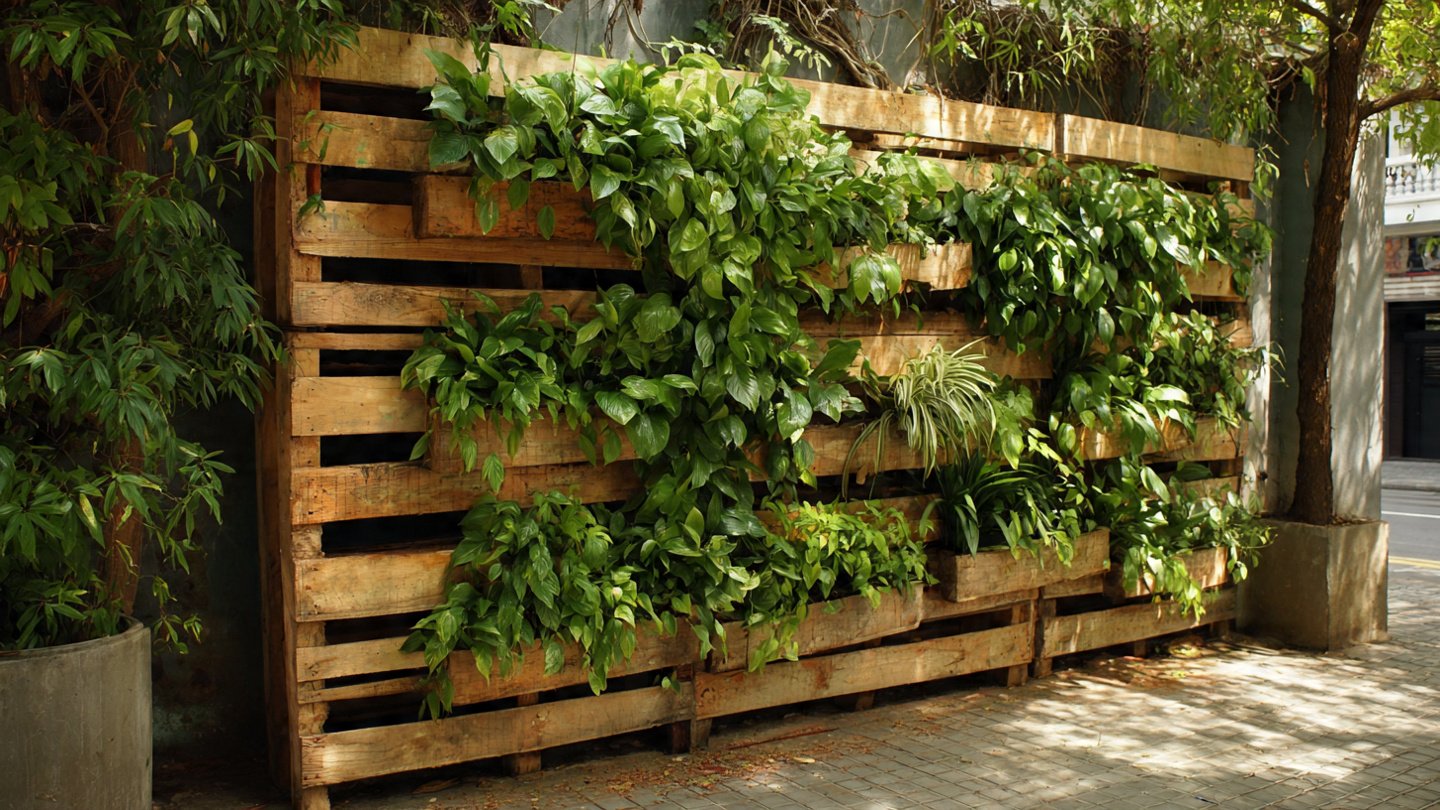
Vertical gardening has become increasingly popular among urban gardeners and homeowners with limited space. Imagine taking a simple wooden pallet—something often discarded or overlooked—and turning it into a vibrant, living wall of greenery. Not only does a vertical garden maximize your space, but it also adds beauty, fresh air, and a touch of nature to your environment. If you’ve ever wondered whether simple pallets can be transformed into stunning vertical gardens, the answer is a resounding yes. This guide will walk you through the step-by-step process, along with tips and creative ideas to make your project a success.
Why Choose Pallets for Vertical Gardening?
Pallets are inexpensive, widely available, and versatile. Most pallets are made of sturdy wood that can support small plants, herbs, or even lightweight flowers. Repurposing a pallet for a vertical garden is not only eco-friendly but also a creative way to upcycle materials that might otherwise be discarded.
Benefits of using pallets for vertical gardens include:
- Cost-effective: Pallets are often free or cheap, reducing your gardening expenses.
- Space-saving: Vertical orientation allows you to grow plants in small areas such as balconies, patios, or even indoors.
- Customizable: You can paint, stain, or decorate pallets to match your aesthetic.
- Eco-friendly: Upcycling wood reduces waste and promotes sustainability.
Choosing the Right Pallet
Not all pallets are suitable for gardening. Start by selecting a pallet that is:
- Sturdy: Ensure the wood is solid, without cracks or rot, to safely hold soil and plants.
- Safe for plants: Avoid pallets treated with harmful chemicals like methyl bromide. Look for pallets marked “HT” (heat treated), which are safe for gardening.
- Size-appropriate: Standard pallets are typically 48 inches by 40 inches, but you can choose smaller or larger sizes depending on your space and needs.
Once you have the right pallet, you’re ready to begin transforming it into a living masterpiece.
Preparing the Pallet
Before adding soil or plants, the pallet needs proper preparation:
- Clean the wood: Wash the pallet with soapy water and allow it to dry completely.
- Sand rough edges: Smooth any splintered areas to prevent injury and create a neat finish.
- Apply a protective coat: Consider using a non-toxic wood sealant to protect the pallet from moisture and extend its lifespan.
- Add a backing: Attach a landscape fabric or plastic sheet to the back and bottom of the pallet. This will hold the soil in place and prevent it from falling through the gaps. Staple or nail the fabric securely.
Proper preparation ensures that your pallet is durable, safe, and ready to support your vertical garden.
Selecting Plants for Your Pallet Garden
The beauty of vertical gardening lies in choosing plants that thrive in this unique arrangement. Consider factors like sunlight, watering needs, and growth habits. Some popular options include:
- Herbs: Basil, parsley, thyme, mint, and rosemary grow well in small spaces and provide fresh flavors for cooking.
- Succulents: Aloe vera, sedum, and echeveria are low-maintenance and require minimal watering.
- Flowering plants: Petunias, marigolds, and pansies add vibrant colors and visual interest.
- Leafy greens: Lettuce, spinach, and kale grow quickly and are perfect for edible vertical gardens.
Mixing different plants creates a layered, textured look, making your vertical garden both functional and beautiful.
Planting Your Pallet Garden
Once you’ve selected your plants, it’s time to fill the pallet with soil and arrange your greenery:
- Fill the pallet with soil: Use a light, well-draining potting mix suitable for the plants you’ve chosen. Avoid heavy garden soil, which can compact and suffocate roots.
- Create pockets for plants: You can plant directly in the spaces between the pallet slats or attach small pots or fabric pockets to hold soil and plants securely.
- Arrange plants strategically: Place taller plants at the top and trailing plants toward the bottom. This ensures that all plants receive adequate sunlight and creates a visually appealing cascading effect.
- Secure the plants: Gently press the soil around the plant roots and water lightly to help them settle in.
Remember that vertical gardens can dry out faster than traditional gardens, so choose drought-tolerant plants or plan for regular watering.
Installing Your Vertical Garden
There are several ways to display your pallet garden, depending on your available space and desired aesthetic:
- Wall-mounted: Secure the pallet to a sturdy wall using screws or brackets. Make sure it is level and firmly anchored.
- Freestanding: If you prefer mobility, prop the pallet against a fence or wall. You can even create a base for stability.
- Hanging: Use heavy-duty chains or ropes to suspend the pallet vertically, creating a floating garden effect.
Choose a location that receives adequate sunlight for your plants and allows easy access for watering and maintenance.
Watering and Maintenance
Vertical gardens require regular care to thrive:
- Watering: Plants in vertical gardens can dry out quickly. Water deeply but gently, ensuring soil in all pockets is moist. Consider installing a drip irrigation system for even watering.
- Pruning: Trim dead or overgrown foliage to encourage healthy growth and maintain a neat appearance.
- Fertilizing: Use a balanced liquid fertilizer every few weeks to replenish nutrients in the soil.
- Monitoring pests: Keep an eye out for insects or fungal issues, and treat them promptly using eco-friendly methods.
Routine maintenance ensures that your pallet garden remains lush, healthy, and attractive year-round.
Creative Ideas for Stunning Vertical Gardens
Beyond simply planting herbs or flowers, there are many ways to make your pallet garden visually striking:
- Color coordination: Choose plants with complementary colors or textures for a harmonious look.
- Themed gardens: Create a themed pallet garden, such as a tropical paradise with ferns and orchids or a herb garden with culinary favorites.
- Decorative accents: Add fairy lights, small garden ornaments, or painted pallet slats for added charm.
- Seasonal rotation: Swap out plants seasonally to keep your vertical garden fresh and dynamic.
These creative touches transform a simple pallet into a true statement piece for your home or garden.
Troubleshooting Common Challenges
Even experienced gardeners encounter challenges when working with vertical gardens:
- Soil falling out: Ensure the backing is secure and consider adding additional pockets or netting.
- Uneven growth: Adjust plant placement to ensure adequate sunlight and avoid overcrowding.
- Water drainage issues: Check for blocked slats or poor drainage; consider elevating the pallet slightly to allow water to escape.
- Plant wilting: Increase watering frequency or choose more drought-tolerant species.
By anticipating and addressing these issues, you can maintain a thriving, visually stunning pallet garden.
Benefits of a Vertical Pallet Garden
Transforming a simple pallet into a vertical garden offers numerous benefits:
- Space efficiency: Ideal for small spaces like apartments, balconies, and patios.
- Aesthetic appeal: Adds greenery and a unique focal point to any area.
- Environmental impact: Promotes recycling and sustainable gardening practices.
- Health benefits: Encourages homegrown produce, improving diet and well-being.
- Stress relief: Gardening has been shown to reduce stress and improve mental health.
The combination of beauty, practicality, and sustainability makes vertical pallet gardens a rewarding addition to any home.
Conclusion
Yes, you can absolutely transform simple pallets into stunning vertical gardens. With careful planning, preparation, and maintenance, a humble wooden pallet can become a lush wall of greenery that enhances both the beauty and functionality of your space. From choosing the right pallet and plants to arranging, watering, and maintaining your vertical garden, every step contributes to creating a thriving ecosystem of plants.
Whether you aim to grow herbs, flowers, succulents, or leafy greens, a pallet vertical garden is an affordable, creative, and environmentally friendly way to bring nature closer to home. By embracing this DIY approach, you’re not only adding charm to your surroundings but also cultivating a healthier, greener lifestyle. So gather your pallets, unleash your creativity, and start building a vertical garden that will impress visitors and delight your senses for years to come.