If you’ve ever noticed tiny, mosquito-like insects hovering around your houseplants, you’ve likely encountered fungus gnats. These pests are particularly troublesome for indoor gardeners because their larvae feed on plant roots, which can stunt growth, cause wilting, and even lead to plant death. As a result, many plant enthusiasts are searching for effective, non-toxic ways to manage these pests. One method that has recently gained popularity is using decorative stones, such as pebbles or gravel, on the surface of plant soil. But can decorative stones really stop fungus gnats from invading your plants? Let’s dig into the details.
Understanding Fungus Gnats
Fungus gnats are small, dark flies that are typically 1/8 inch long. Adult gnats themselves are more of a nuisance than a threat, as they do not feed on plants. However, their larvae live in the soil and feed on organic matter and plant roots, which is where the real damage occurs. These insects thrive in moist, organic-rich soil, making indoor plants with frequent watering especially susceptible.
The life cycle of fungus gnats begins when adults lay eggs in the top layer of soil. Within a week, larvae hatch and begin feeding, progressing through several stages before pupating and emerging as adult gnats. This cycle repeats quickly in favorable conditions, which is why infestations can escalate rapidly if not addressed.
How Fungus Gnats Spread
Fungus gnats are often introduced into homes through contaminated soil, but they can also spread from one plant to another if the conditions are right. They are particularly attracted to damp soil, overwatered pots, and decomposing organic matter such as fallen leaves or potting mix remnants. The adults are weak fliers, which means that while they may not travel far on their own, they can quickly infest an entire room if multiple infested plants are present.
Decorative Stones as a Barrier
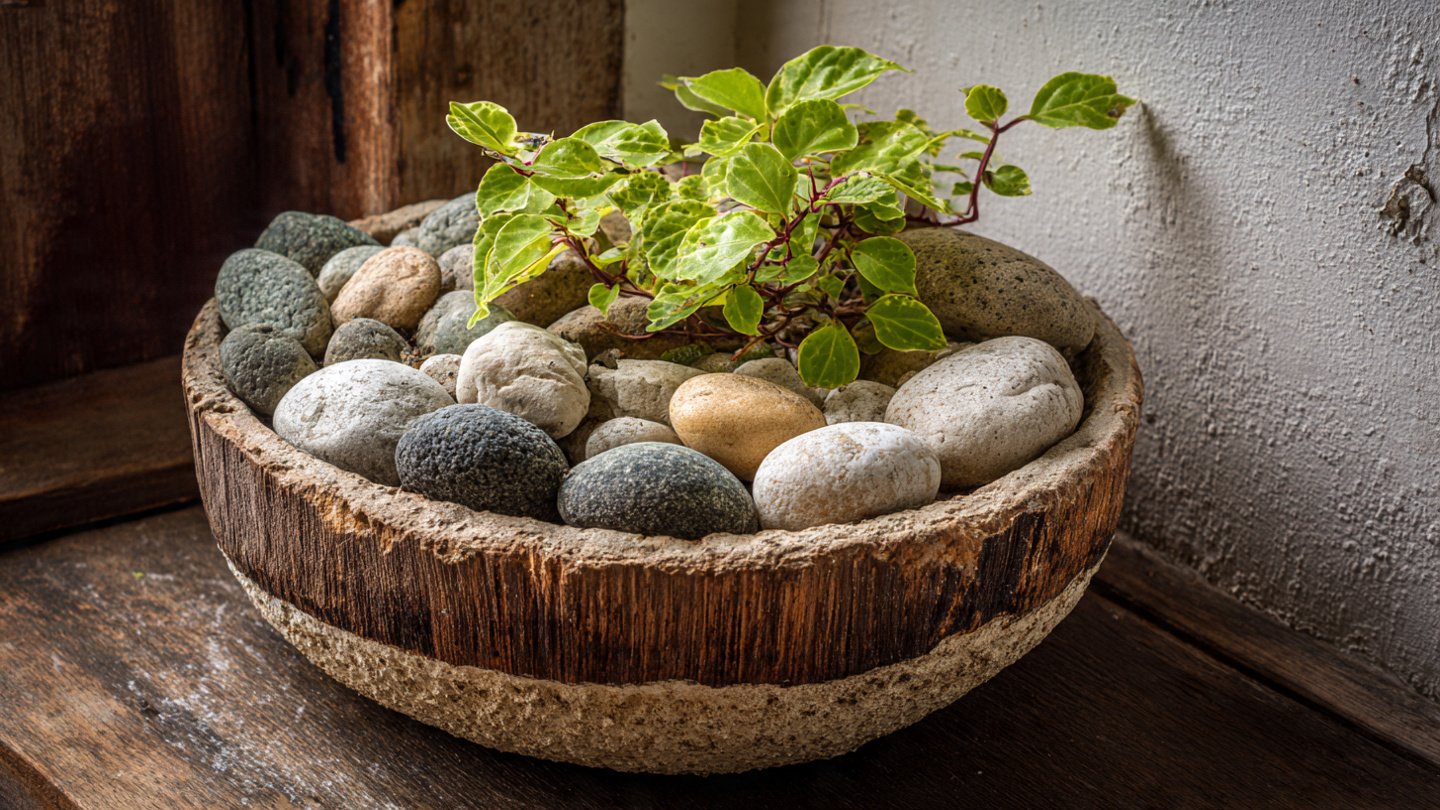
Decorative stones, such as aquarium gravel, polished pebbles, or lava rocks, are increasingly used by indoor gardeners for aesthetic purposes and purported pest control. The idea is simple: by covering the top layer of soil with stones, you create a physical barrier that prevents adult gnats from laying eggs and keeps the soil surface drier, which discourages larval development.
This approach has a twofold effect:
- Disrupting the Egg-Laying Process: Adult gnats prefer to lay eggs in moist, exposed soil. When the soil is covered with a layer of decorative stones, it becomes more difficult for adults to access it. The stones create an uneven, dry surface that makes egg-laying less appealing or physically challenging for the gnats.
- Reducing Moisture on Soil Surface: A layer of stones can help reduce evaporation and maintain slightly more stable soil moisture levels beneath the surface, while simultaneously keeping the top layer dry. Fungus gnat larvae thrive in consistently damp soil, so having a dry top layer can significantly reduce their survival rate.
Effectiveness of Decorative Stones
While decorative stones can help, they are not a complete solution for fungus gnat infestations. They are most effective when combined with other preventive and control measures. Here are some key points to consider:
- Depth Matters: A thin layer of stones may not be enough. Experts suggest using at least a half-inch to an inch of decorative gravel to create an effective barrier.
- Stone Type: The type of stone matters. Smooth, round pebbles may allow gnats to move around more easily, while angular gravel creates a more challenging surface for egg-laying.
- Soil Moisture Control: Stones can reduce surface moisture but won’t solve the problem of overwatering. Overly wet soil beneath the stones will still support larvae. Monitoring and adjusting your watering routine is crucial.
- Larvae Already Present: Decorative stones mainly prevent new eggs from being laid. If larvae are already present in the soil, additional treatments may be necessary to eliminate them.
Complementary Control Methods
Using decorative stones works best as part of an integrated pest management strategy. Other effective methods include:
- Allowing Soil to Dry: Fungus gnat larvae cannot survive in dry soil. Allowing the top 1–2 inches of soil to dry out between waterings can break the life cycle.
- Sticky Traps: Yellow sticky traps attract adult gnats and prevent them from reproducing. Placing traps near infested plants can help reduce the adult population.
- Beneficial Nematodes: These microscopic organisms prey on fungus gnat larvae in the soil. They are safe for plants and humans and can be an effective biological control method.
- Hydrogen Peroxide Solution: A diluted hydrogen peroxide solution (typically one part 3% hydrogen peroxide to four parts water) can be used to drench the soil. This kills larvae without harming the plant.
- Repotting: In severe infestations, replacing the soil entirely and cleaning the roots can eliminate larvae and prevent reinfestation.
Aesthetic Benefits of Decorative Stones
Beyond pest control, decorative stones offer other advantages. They improve the visual appeal of potted plants, complement interior décor, and prevent soil from splashing onto surfaces when watering. Stones can also help reduce soil compaction and erosion during watering, creating a healthier environment for plant roots.
Limitations to Keep in Mind
Despite their benefits, decorative stones are not a guaranteed solution:
- Not a Larvae Killer: Stones prevent egg-laying but do not kill existing larvae. If the infestation is severe, other treatments are necessary.
- Potential for Mold Growth: If water gets trapped under the stones and doesn’t evaporate properly, mold and fungus can still develop, creating a favorable environment for gnats.
- Maintenance Required: Stones need occasional cleaning to prevent debris buildup, which could otherwise attract pests.
Practical Tips for Using Decorative Stones
If you decide to try decorative stones as a defense against fungus gnats, consider the following tips:
- Choose the Right Stone Size: Opt for stones that are large enough to form a barrier but small enough to cover the soil evenly.
- Clean Stones Before Use: Wash decorative stones thoroughly to remove dust and debris, which can also attract pests.
- Layer Thickness: Apply a layer at least 0.5–1 inch thick to maximize effectiveness.
- Combine with Water Management: Ensure the soil underneath is not overly wet. Letting the top layer dry out between waterings will significantly reduce gnat survival.
- Monitor Plants: Keep an eye on new plant growth and check the soil periodically for signs of gnats.
Expert Opinions
Many horticulturists and plant experts recommend decorative stones as a preventive measure rather than a standalone solution. They acknowledge that while stones can reduce adult gnat activity and discourage egg-laying, controlling soil moisture and using biological or chemical treatments is often necessary for complete eradication. In essence, decorative stones work best as part of a broader, proactive approach to indoor plant care.
Conclusion
Decorative stones can indeed play a role in keeping fungus gnats away from your plants. By acting as a physical barrier, reducing surface moisture, and improving the overall look of your pots, stones provide both practical and aesthetic benefits. However, their effectiveness is limited if used alone, especially in cases of heavy infestations or overwatered plants.
To truly protect your indoor garden from fungus gnats, combine decorative stones with proper watering techniques, sticky traps, and, if needed, biological treatments like nematodes. With the right strategy, you can enjoy healthy, thriving plants without constantly battling these persistent pests.
So yes, decorative stones can help—but think of them as one tool in your plant protection toolkit rather than a magic solution. By layering defenses thoughtfully, you can reduce fungus gnat populations and maintain a beautiful, healthy indoor garden.