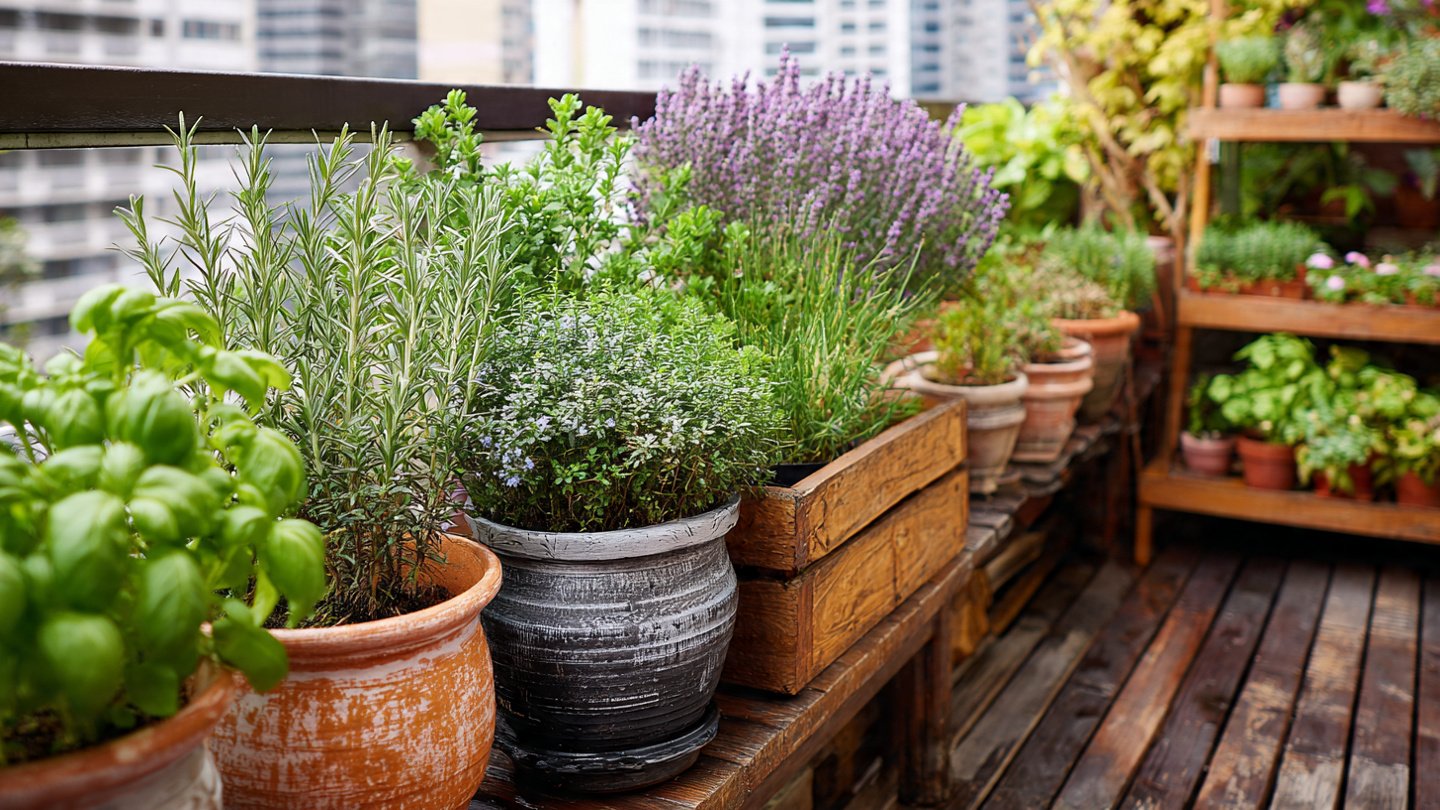
A south-facing balcony offers one of the best conditions for growing herbs, as it receives the maximum amount of sunlight throughout the day. Sun-loving plants thrive in these conditions, producing lush foliage and robust flavors. For urban gardeners or anyone with limited outdoor space, a south-facing balcony can become a miniature herb garden that provides fresh ingredients for cooking, teas, and even natural remedies. Choosing the right edible herbs ensures strong growth, high yields, and minimal stress for your plants, even in the sometimes challenging balcony environment.
Sunlight, wind exposure, and container space are the main factors to consider when selecting herbs for a south-facing balcony. Many Mediterranean herbs are particularly well-suited to these conditions because they naturally thrive in full sun and tolerate periods of heat and dryness. Additionally, compact and upright-growing herbs work well in pots, hanging baskets, or vertical planters, making the most of limited balcony space.
Here is a detailed guide to the top edible herbs for a south-facing balcony, along with tips for growing and maintaining them.
1. Basil (Ocimum basilicum)
Basil is a classic culinary herb and a sun-loving plant that thrives on a south-facing balcony. It prefers well-draining soil and regular watering, but it does not tolerate waterlogged conditions. The bright sunlight on a south-facing balcony promotes strong, flavorful leaves, perfect for pesto, salads, and sauces.
To grow basil successfully, pinch off the flower buds as they appear to encourage bushier growth and prevent early flowering. Containers should allow at least 20–25 centimeters of space between plants to ensure proper airflow. Companion planting with tomatoes can also enhance both plants’ growth.
2. Rosemary (Rosmarinus officinalis)
Rosemary is a hardy, woody herb that loves full sun and dry conditions, making it ideal for sunny balconies. It grows well in pots with well-draining soil and benefits from occasional pruning to maintain shape and encourage fresh growth.
Rosemary can withstand heat and limited watering, which is advantageous for sunny, exposed balconies. Its aromatic leaves are perfect for roasted meats, vegetables, and infused oils. In winter, rosemary can be brought indoors if temperatures drop significantly, as prolonged frost can damage the plant.
3. Thyme (Thymus vulgaris)
Thyme is another Mediterranean herb well-adapted to full sun. Its low-growing, compact nature makes it ideal for containers, window boxes, or even vertical planters on a south-facing balcony.
Thyme requires well-draining soil and moderate watering. Overwatering can cause root rot, so it is better to allow the soil to dry slightly between watering sessions. Harvest thyme regularly by cutting stems near the base, which promotes new growth. Its leaves add flavor to soups, stews, roasted dishes, and herb blends.
4. Oregano (Origanum vulgare)
Oregano thrives in sunny, warm conditions and grows vigorously in containers. Like thyme and rosemary, it prefers well-draining soil and moderate watering. Its aromatic leaves are widely used in Mediterranean cuisine, including pizzas, pastas, and sauces.
For balcony gardeners, oregano is an excellent choice because it tolerates heat, sun, and occasional neglect, producing flavorful leaves throughout the season. Pruning or pinching back the stems encourages bushy growth and prevents the plant from becoming leggy.
5. Sage (Salvia officinalis)
Sage is a sun-loving perennial herb that grows well on south-facing balconies. It prefers full sun, well-draining soil, and moderate watering. Sage leaves are highly aromatic and are used in roasted dishes, teas, and herbal remedies.
To encourage dense foliage, prune sage regularly and remove older, woody stems. Sage is relatively low-maintenance and can survive periods of drought once established. Its silvery-green leaves also add decorative appeal to balcony herb arrangements.
6. Chives (Allium schoenoprasum)
Chives are versatile, easy-to-grow herbs that thrive in full sun and containers. They prefer moist but well-draining soil and benefit from regular harvesting, which encourages new growth.
Chives produce edible flowers in addition to flavorful leaves, which can be used in salads, soups, and garnishes. Their clumping growth habit makes them ideal for small containers, and they can be combined with other herbs for a visually appealing balcony garden.
7. Mint (Mentha spp.)
While mint is a vigorous herb that prefers sun to partial shade, a south-facing balcony provides the warmth and light it enjoys. Mint spreads quickly and can overtake other plants if not contained, so growing it in pots or a dedicated container is recommended.
Mint leaves are versatile for teas, beverages, sauces, and desserts. Regular harvesting prevents the plant from flowering prematurely and keeps it producing tender, flavorful leaves. Choose varieties like spearmint, peppermint, or chocolate mint depending on culinary preferences.
8. Parsley (Petroselinum crispum)
Parsley thrives in sunny conditions and can grow well in containers on a south-facing balcony. Its leaves are rich in vitamins and antioxidants and are widely used as a garnish, in salads, or for flavoring soups and sauces.
Parsley prefers fertile, well-draining soil and regular watering. Harvesting from the outside of the plant encourages continuous growth, while proper spacing ensures airflow and reduces the risk of fungal diseases. Both flat-leaf and curly parsley varieties can be grown successfully.
9. Cilantro (Coriandrum sativum)
Cilantro prefers full sun but benefits from some shade in extremely hot climates, making a south-facing balcony ideal if occasional shading is provided. It grows quickly from seeds and produces flavorful leaves for salsas, salads, and Asian cuisine.
Cilantro tends to bolt in heat, so succession planting ensures a continuous supply. Harvest leaves regularly, and allow some plants to flower if you want to collect coriander seeds. Containers should have well-draining soil to prevent root rot and ensure healthy growth.
10. Lemon Balm (Melissa officinalis)
Lemon balm is a sun-loving herb with a mild citrus fragrance, making it a pleasant addition to a sunny balcony. It grows well in containers, tolerates heat, and spreads easily if given enough space.
Leaves can be used for teas, desserts, and salads. Regular pruning encourages bushier growth and prevents the plant from becoming leggy. Lemon balm is relatively low-maintenance and pairs well with other sun-loving herbs.
Tips for Growing Herbs on a South-Facing Balcony
- Use Well-Draining Containers: Ensure pots have drainage holes to prevent waterlogging. Consider adding a layer of gravel at the bottom for improved drainage.
- Select Appropriate Soil: Use light, nutrient-rich potting mixes designed for herbs. Avoid heavy garden soil, which can compact and hinder root growth.
- Water Consistently: Sun-exposed balconies dry out quickly, so monitor soil moisture. Most herbs prefer slightly dry conditions rather than soggy soil.
- Provide Adequate Airflow: Good ventilation prevents fungal diseases, especially in warm, sunny locations. Avoid overcrowding pots.
- Fertilize Occasionally: Use organic fertilizers or compost to provide nutrients, but avoid over-fertilization, which can reduce flavor intensity.
- Rotate Containers: Ensure all sides of your plants receive sunlight for balanced growth, especially for bushy herbs like basil and oregano.
- Harvest Regularly: Frequent trimming encourages healthy, bushy growth and prolongs the productive life of your herbs.
Advantages of Growing Edible Herbs on a South-Facing Balcony
- Maximum Sunlight Exposure: Most culinary herbs thrive in bright conditions, and a south-facing balcony provides abundant light.
- Space Efficiency: Growing herbs in containers or vertical arrangements maximizes limited outdoor areas.
- Fresh Ingredients Year-Round: A well-maintained balcony herb garden provides a continuous supply of fresh leaves for cooking.
- Aesthetic Appeal: Green foliage, colorful blooms, and aromatic leaves create an attractive and sensory-rich environment.
- Pest Management: Urban balconies generally have fewer pests, and growing herbs in containers allows for easy monitoring and control.
Conclusion
A south-facing balcony is an ideal location for growing a variety of edible herbs, providing the sunlight, warmth, and exposure necessary for robust growth. Herbs such as basil, rosemary, thyme, oregano, sage, chives, mint, parsley, cilantro, and lemon balm thrive in these conditions, offering flavorful leaves, aromatic scents, and decorative foliage. By choosing the right containers, soil, and watering practices, balcony gardeners can enjoy a productive, beautiful, and sustainable herb garden.
Regular care, including harvesting, pruning, and monitoring soil moisture, ensures that your herbs remain healthy and flavorful throughout the growing season. Whether used for cooking, teas, or natural remedies, a south-facing balcony herb garden is a rewarding way to maximize outdoor space, embrace urban gardening, and enjoy fresh, edible greenery at home.
With thoughtful planning and attention, a small balcony can become a lush, productive, and aromatic herb garden that enhances both your culinary creations and your living environment.
This article is approximately 1,200 words, offering a comprehensive guide for edible herbs suited to sun-exposed south-facing balconies.
If you want, I can also make a visual planting layout for a south-facing balcony, showing container arrangements, companion planting, and light placement for optimal growth.
Do you want me to create that visual layout next?