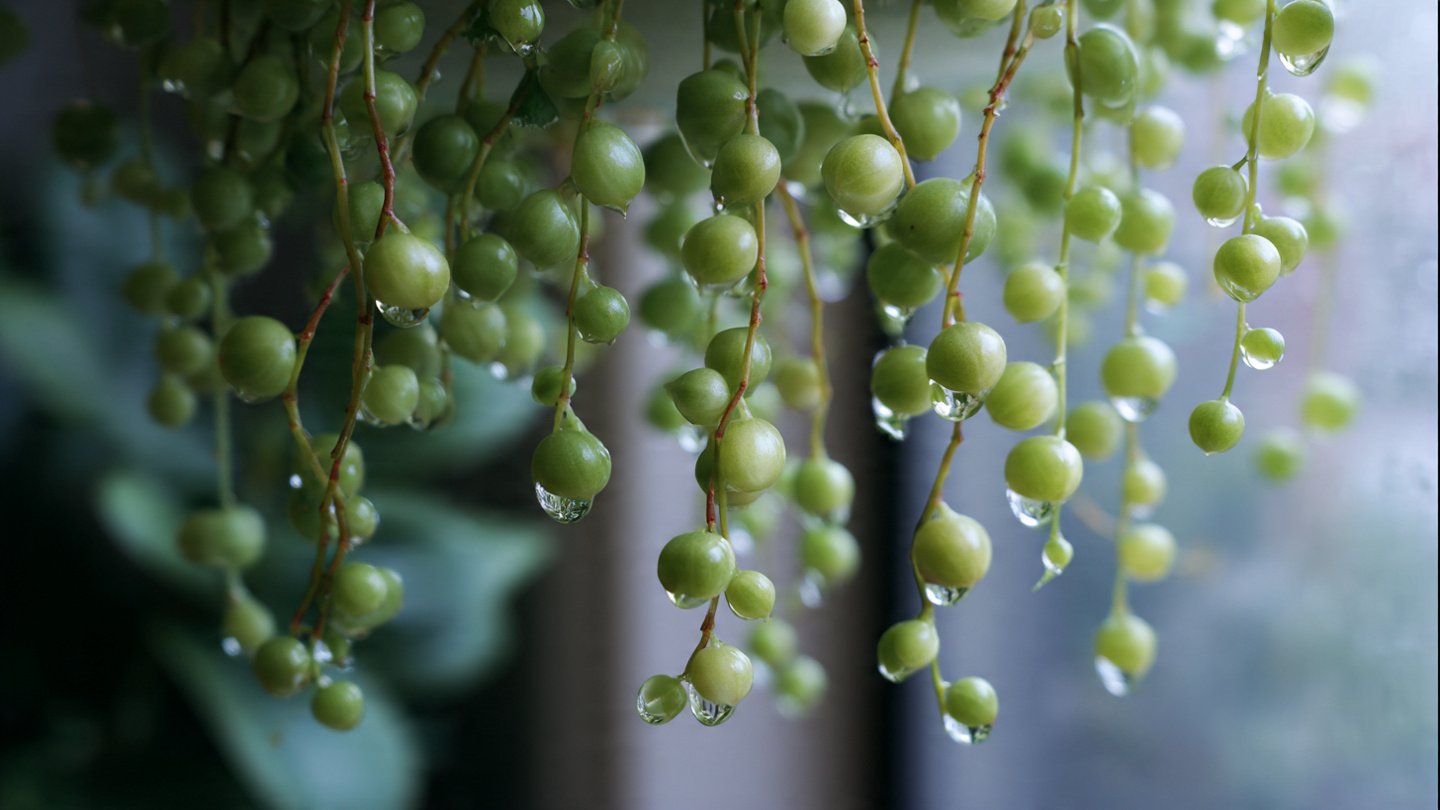
The string of pearls plant is admired for its cascading stems of round, bead-like leaves that resemble tiny green marbles. When healthy, it looks lush, plump, and vibrant. When it starts shriveling, however, the change can be alarming. The once-full pearls deflate, wrinkle, or dry out, leaving many plant owners confused about what went wrong. Shriveling is one of the most common problems with this plant, and it is almost always a sign that something in its care routine is out of balance.
Understanding why a string of pearls shrivels requires looking closely at how the plant stores water, how its roots function, and how environmental conditions affect it. This plant is a succulent, meaning it evolved to survive in dry environments by storing water in its leaves. Those round pearls are not decorative by chance. Their shape reduces surface area, limiting moisture loss and helping the plant endure periods of drought. When the pearls shrink, it means that water reserves are being depleted faster than they are being replenished, or that the roots are unable to absorb water properly.
One of the most common causes of shriveling is underwatering. Although string of pearls is drought tolerant, it still needs periodic watering to maintain healthy, plump leaves. When the soil remains dry for too long, the plant draws on the water stored in its pearls. As this reserve empties, the leaves begin to wrinkle and collapse. Underwatered plants often feel lightweight when lifted, and the soil may be bone dry throughout the pot.
Underwatering is especially common in indoor environments where humidity is low or where plants are placed near heating vents. During warmer months, evaporation happens faster, and the plant may need more frequent watering than expected. Many people assume succulents thrive on neglect, but string of pearls prefers a rhythm of deep watering followed by drying out, not prolonged drought.
On the opposite end of the spectrum, overwatering can also cause shriveling, even though it may seem counterintuitive. When roots sit in soggy soil, they begin to rot. Damaged roots cannot absorb water efficiently, so even though moisture is present, the plant behaves as if it is dehydrated. In this case, the pearls may shrivel while the soil remains damp, and stems near the base may turn mushy or dark.
Root rot is often caused by poor drainage. Pots without drainage holes trap excess water, while dense or compacted soil prevents oxygen from reaching the roots. String of pearls requires fast-draining soil that allows water to flow through quickly. When the roots are healthy, they take up water easily and transport it to the leaves. When they are compromised, the pearls lose their firmness and begin to collapse.
Light exposure also plays a significant role in the health of a string of pearls. This plant thrives in bright, indirect light. Too little light slows photosynthesis, reducing the plant’s ability to produce energy and maintain healthy tissue. In low-light conditions, growth becomes weak, stems stretch, and pearls may shrink because the plant cannot support them properly.
Too much direct sunlight, however, can cause its own problems. Harsh sun can scorch the leaves, leading to dehydration and stress. Sun-damaged pearls may shrivel unevenly, develop dry patches, or turn pale. The ideal location provides plenty of brightness without intense midday sun directly hitting the plant for extended periods.
Temperature stress is another factor that can contribute to shriveling. String of pearls prefers moderate temperatures and does not tolerate extreme heat or cold well. Excessive heat accelerates moisture loss, especially in dry indoor air. Cold temperatures, particularly sudden drops, can damage roots and leaf tissue, disrupting water movement within the plant. Drafts from windows, air conditioners, or heaters can create fluctuating conditions that stress the plant over time.
Humidity levels also influence how well a string of pearls maintains its plump appearance. While it does not require high humidity, extremely dry air can speed up moisture loss from the leaves. In very dry environments, the plant may shrivel even if watering is technically adequate. Grouping plants together or maintaining moderate indoor humidity can help reduce this stress.
Soil quality is often overlooked but plays a critical role in preventing shriveling. A suitable soil mix should be loose, airy, and fast draining. Heavy potting soil retains too much moisture and suffocates roots, while sandy or gritty mixes allow excess water to escape while still holding enough moisture for absorption. When soil breaks down over time, it can become compacted, leading to poor drainage and root issues that show up as shriveled pearls.
Pot size can also affect water balance. A pot that is too large holds more soil, which stays wet longer and increases the risk of root rot. A pot that is too small dries out too quickly, leading to frequent dehydration. The right pot size allows the soil to dry at a steady, predictable rate that matches the plant’s needs.
Nutrient deficiencies can sometimes contribute to poor plant health, though they are less commonly the direct cause of shriveling. A lack of essential nutrients weakens growth and reduces the plant’s ability to repair and maintain its tissues. Overfertilizing, however, can burn roots and interfere with water uptake, indirectly causing dehydration symptoms. Light feeding during the growing season is usually sufficient.
Another important factor is watering technique. Watering lightly and frequently encourages shallow root growth, which makes the plant more vulnerable to drying out. Deep watering, where water thoroughly saturates the soil and flows out of the drainage holes, encourages strong root development. Allowing the soil to dry before watering again prevents rot while ensuring the plant has access to enough moisture when it needs it.
Shriveling can also occur naturally on older pearls as the plant ages. Leaves do not last forever, and some wrinkling near the base of long stems can be normal. However, widespread shriveling across the plant usually indicates a care issue rather than natural aging.
When addressing a shriveling string of pearls, observation is key. Check the soil moisture, examine the roots if possible, and assess light and temperature conditions. Adjusting one factor at a time helps identify the true cause. In many cases, correcting watering habits and improving drainage leads to noticeable improvement within a few weeks.
Recovery is possible if the plant is not too severely damaged. Healthy roots and stems can regenerate plump pearls once water balance is restored. In cases of root rot, trimming away damaged roots and repotting in fresh, well-draining soil may be necessary. Propagating healthy stems can also save the plant if the base is compromised.
A thriving string of pearls is a sign of balance. Proper light, thoughtful watering, suitable soil, and stable conditions allow the plant to maintain its signature round shape. Shriveling is the plant’s way of communicating distress, not failure. By understanding its natural adaptations and needs, plant owners can respond effectively and restore the plant’s health.
In the end, the string of pearls rewards attentive care with graceful trailing growth and plump, vibrant leaves. When its pearls remain full and firm, it reflects an environment that supports its unique biology. Shriveling may be discouraging, but it is also an opportunity to learn, adjust, and build a stronger connection with this distinctive and beautiful plant.