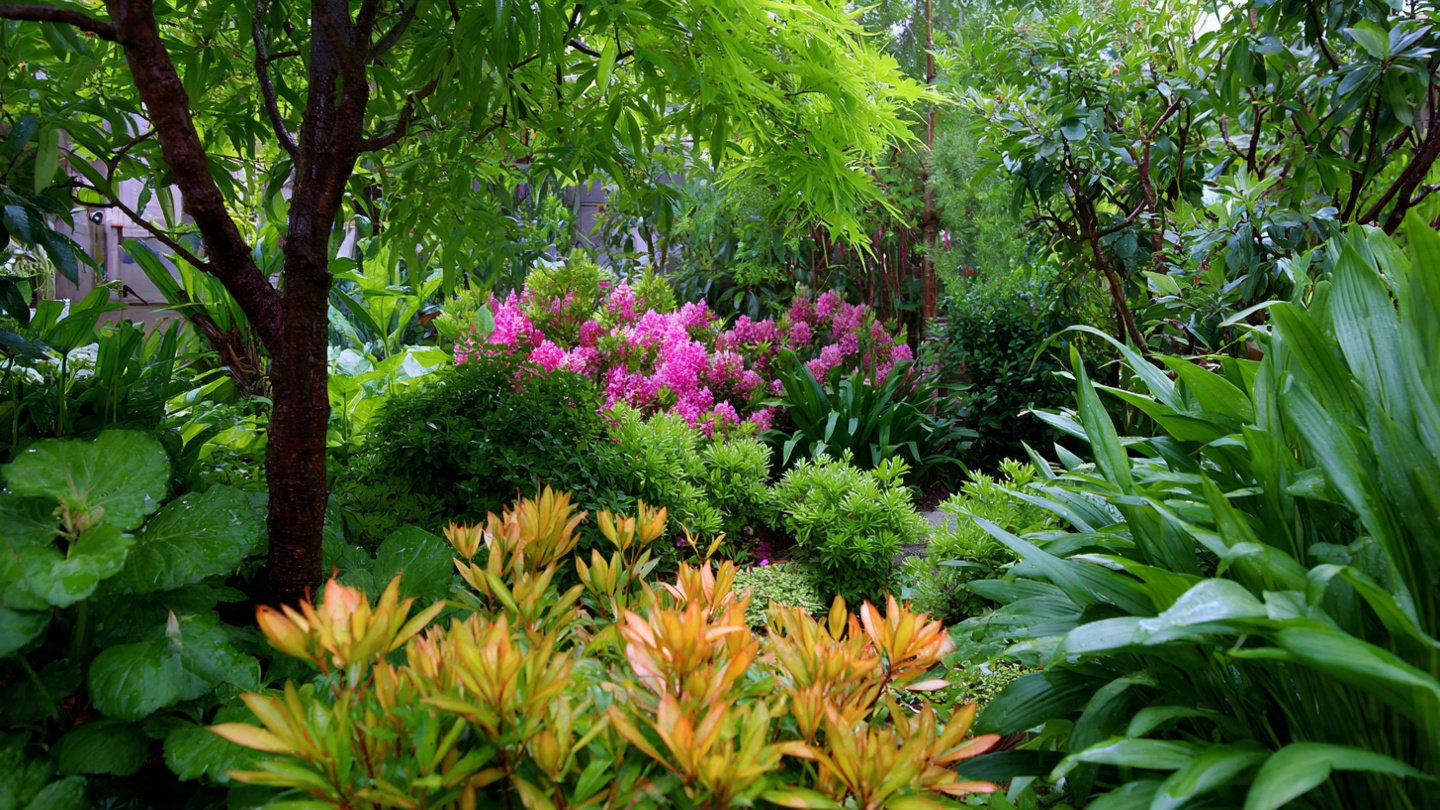
Maintaining a healthy, productive garden often requires vigilance against pests. Even with proper care, insects such as aphids, beetles, caterpillars, and whiteflies can threaten vegetables, flowers, and fruit trees. Many gardeners rely on chemical pesticides to control these pests, but overuse can harm beneficial insects, degrade soil health, and create environmental problems. Fortunately, there is a natural, effective strategy that has been practiced for centuries: using a sacrifice plant.
A sacrifice plant is a plant deliberately grown to attract pests away from more valuable crops. This simple concept allows gardeners to manage pest populations naturally, reduce chemical use, and protect prized vegetables or ornamental plants. While it might seem counterintuitive to intentionally plant something to attract insects, understanding the mechanics and benefits of sacrifice plants demonstrates why they are a powerful tool for sustainable gardening.
What Is a Sacrifice Plant?
A sacrifice plant, sometimes called a trap crop, is a species specifically chosen to draw pests away from main garden crops. These plants act as decoys, enticing insects with attractive foliage, flowers, or aroma. Pests feed, reproduce, and sometimes lay eggs on the sacrifice plant instead of on valuable vegetables or flowers.
By concentrating pests on one plant, gardeners can monitor infestations more easily, intervene with localized treatments if necessary, and prevent widespread damage. Sacrifice plants are an essential component of integrated pest management (IPM), a holistic approach to gardening that prioritizes ecological balance and minimal chemical intervention.
How Sacrifice Plants Work
The effectiveness of a sacrifice plant relies on understanding pest behavior and plant preference. Different pests are attracted to specific crops due to leaf texture, flower color, or volatile compounds released by the plant. By providing a more appealing alternative, gardeners can redirect insects away from high-value plants.
For example, aphids may prefer nasturtiums to tomatoes. By planting nasturtiums near a tomato bed, aphids concentrate on the nasturtiums, sparing the tomato plants. Similarly, cabbage worms may favor mustard greens over cabbage, protecting the main crop. In both cases, the sacrifice plant serves as a decoy, reducing pest pressure on prized vegetables.
The use of sacrifice plants is most effective when combined with other pest management strategies, such as companion planting, beneficial insect introduction, and proper garden hygiene. This integrated approach minimizes damage while maintaining a healthy, balanced ecosystem.
Benefits of Sacrifice Plants
Sacrifice plants provide numerous advantages for gardeners seeking a sustainable and effective pest control solution:
1. Reduced Chemical Use
One of the most significant benefits of using sacrifice plants is the reduction in chemical pesticide applications. When pests are concentrated on trap crops, gardeners can target treatments directly, using minimal amounts of organic or synthetic pesticides. This localized approach preserves beneficial insects such as bees, ladybugs, and predatory wasps, which naturally control pests and pollinate crops.
Reducing chemical inputs also minimizes environmental impact. Runoff from pesticides can contaminate soil, water, and surrounding ecosystems, harming non-target organisms. Sacrifice plants offer a natural alternative that supports ecological balance.
2. Protection of High-Value Crops
Sacrifice plants safeguard valuable crops by diverting pests. Vegetables like tomatoes, peppers, cucumbers, and lettuce are often the most vulnerable to insect damage. By planting a decoy nearby, gardeners protect the investment of time, effort, and resources devoted to these crops.
This protective function is especially important in small-scale or container gardens, where pest infestations can quickly devastate the entire planting. A strategically placed sacrifice plant acts as a buffer, allowing the main crop to thrive.
3. Enhanced Monitoring and Early Detection
By attracting pests to a concentrated area, sacrifice plants make it easier to monitor infestations. Gardeners can observe the decoy plant for signs of feeding, egg-laying, or other damage. Early detection allows for timely intervention before pests spread to surrounding crops.
This proactive monitoring helps gardeners identify pest species, understand their behavior, and implement appropriate control measures. It also reduces the need for guesswork, increasing the overall efficiency of pest management.
4. Support for Beneficial Insects
Sacrifice plants often provide nectar, pollen, or shelter, supporting populations of beneficial insects. For example, flowering trap crops like nasturtiums or marigolds attract ladybugs, lacewings, and hoverflies, which feed on aphids and other pests. By planting sacrifice crops, gardeners create microhabitats that encourage beneficial species to remain in the garden, enhancing natural pest control.
A balanced ecosystem with both decoy and beneficial plants promotes long-term garden health, reducing the likelihood of severe infestations in subsequent seasons.
5. Soil Health and Biodiversity
Sacrifice plants contribute to overall garden biodiversity. Introducing a variety of plant species improves soil structure, encourages microbial activity, and increases habitat complexity. Some trap crops, such as legumes, fix nitrogen in the soil, enriching it for surrounding vegetables.
By integrating sacrifice plants into garden design, gardeners enhance both aboveground and belowground biodiversity, creating a more resilient and productive system.
Examples of Effective Sacrifice Plants
Choosing the right sacrifice plant depends on the specific pests and crops in your garden. Here are some commonly used trap crops and their targeted pests:
- Nasturtiums: Attract aphids, whiteflies, and cabbage worms; ideal for tomatoes, peppers, and brassicas.
- Marigolds: Repel nematodes and attract beneficial insects; can also act as decoys for some leaf-feeding pests.
- Mustard Greens: Attract cabbage worms and flea beetles; protect cabbage, broccoli, and kale.
- Radishes: Draw flea beetles and root maggots; safeguard more delicate root crops like carrots and beets.
- Sunflowers: Attract aphids, leafhoppers, and some beetles; protect adjacent crops and provide nectar for pollinators.
The effectiveness of each plant varies by region, pest population, and garden layout. Observing pest behavior and experimenting with different trap crops allows gardeners to identify the most successful combinations.
Placement and Timing of Sacrifice Plants
The location and timing of planting sacrifice crops are critical to their effectiveness:
- Strategic Placement: Place decoy plants close to the crops you want to protect but not directly in their midst. This encourages pests to feed on the trap crop rather than spreading to valuable plants. Some gardeners plant trap crops along the edges of the garden, creating a barrier that intercepts pests.
- Sequential Planting: Some trap crops, like radishes or mustard greens, grow quickly and attract pests early in the season. Planting them ahead of main crops ensures that pests are drawn to the decoy before reaching high-value vegetables.
- Continuous Succession: For gardens with multiple planting cycles, stagger sacrifice plants throughout the season to maintain consistent pest protection. This prevents pest populations from migrating to crops once the trap plants are removed.
Proper planning and placement maximize the effectiveness of sacrifice plants and reduce pest damage across the garden.
Maintenance and Management of Sacrifice Plants
While sacrifice plants are low-maintenance, some care is required to ensure they function effectively:
- Monitoring Pests: Regularly inspect trap crops for signs of heavy infestation. Remove or treat plants if pest populations become overwhelming.
- Replacement: Some sacrifice plants may be heavily damaged and need to be replaced during the season. Quick replacement maintains continuous protection for main crops.
- Pruning and Spacing: Keep trap crops healthy and well-spaced to prevent overcrowding and encourage airflow. Healthy decoy plants are more attractive to pests.
- Integration with Other Strategies: Combine sacrifice plants with companion planting, mulching, crop rotation, and beneficial insect introduction for comprehensive pest management.
Effective management ensures that sacrifice plants remain an asset rather than becoming a liability due to unchecked pest populations.
Environmental and Economic Advantages
Using sacrifice plants offers multiple long-term advantages:
- Sustainability: Reduces dependence on chemical pesticides, supporting environmental health.
- Cost-Effective: Trap crops are inexpensive to grow from seeds or seedlings and reduce crop loss due to pests.
- Resilient Gardens: Enhances ecosystem balance, making gardens more resistant to future pest outbreaks.
By adopting this natural approach, gardeners create safer, healthier, and more productive spaces while contributing to ecological conservation.
Conclusion
Sacrifice plants are a simple yet powerful strategy for natural pest control. By attracting insects away from high-value crops, gardeners can protect vegetables, reduce chemical use, and encourage beneficial insects. Beyond pest deterrence, sacrifice plants improve soil health, promote biodiversity, and support sustainable gardening practices.
Examples such as nasturtiums, marigolds, mustard greens, and radishes illustrate the versatility of trap crops, while strategic placement and seasonal timing maximize their effectiveness. Regular monitoring and maintenance ensure that these plants continue to function as intended, safeguarding the garden throughout the growing season.
For new and experienced gardeners alike, incorporating a sacrifice plant into the garden is an investment in long-term health, productivity, and ecological balance. By embracing this time-tested method, gardeners can enjoy robust crops, vibrant blooms, and reduced pest pressures without relying on harmful chemicals. The concept of a sacrifice plant demonstrates that a thoughtful, natural approach to gardening can yield impressive results, creating a harmonious and thriving garden ecosystem for years to come.