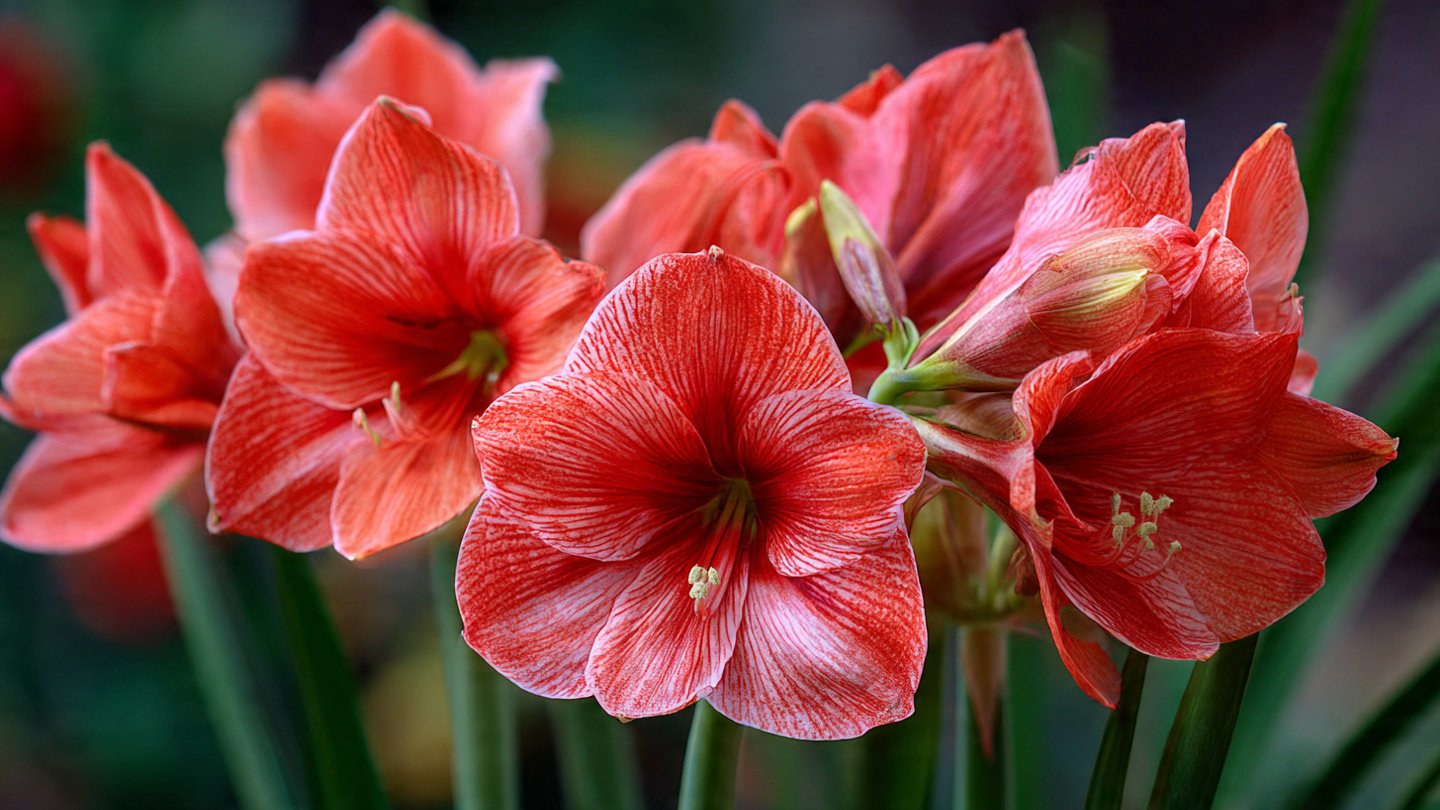
The Amaryllis is renowned for its large, trumpet-shaped flowers and vibrant colors, making it a favorite choice for indoor and seasonal gardens. Many gardeners buy amaryllis bulbs during the holiday season, hoping to enjoy a spectacular floral display, only to find that getting the plant to bloom in subsequent years can be tricky. The good news is that there’s a simple secret to encouraging your amaryllis to bloom year after year, and it revolves around understanding its growth cycle and providing consistent care. In this article, we’ll explore the steps and techniques needed to ensure your amaryllis thrives and rewards you with annual blooms.
Understanding the Amaryllis Growth Cycle
Before diving into the secret, it’s important to understand the amaryllis growth cycle. Amaryllis bulbs go through distinct stages: flowering, foliage growth, dormancy, and reblooming.
- Flowering Stage: After planting, the bulb produces a flower stalk, followed by blossoms. This usually occurs in winter when grown indoors.
- Foliage Growth Stage: Once the flowers fade, the plant focuses on leaf development. Leaves are crucial as they gather energy through photosynthesis, which the bulb stores for the next blooming cycle.
- Dormancy Stage: After several months of growth, the leaves naturally yellow and die back. During dormancy, the bulb rests, conserving energy for the next season.
- Reblooming Stage: Following dormancy, with the right care, the bulb uses stored energy to produce a new flower stalk, completing the cycle.
The key to yearly blooms lies in managing these stages carefully, especially the foliage growth and dormancy periods.
The Simple Secret: Proper Dormancy Care
The “simple secret” to ensuring your amaryllis blooms every year is allowing the bulb to experience a proper dormancy period. This rest period is essential for recharging the bulb’s energy reserves. Skipping or shortening dormancy often results in bulbs producing only leaves without flowers.
How to Apply Dormancy Care:
- After the leaves die back naturally, cut them off about one inch above the bulb.
- Remove any remaining soil from the bulb and store it in a cool, dry place. The ideal temperature is 50–60°F (10–15°C).
- Keep the bulb in a dark area with good air circulation. Avoid damp conditions that may lead to rot.
- Allow the bulb to rest for at least 8–10 weeks before replanting.
By respecting the dormancy period, you are essentially resetting the bulb’s internal clock, preparing it to produce a flower stalk when reintroduced to growth conditions.
Choosing the Right Container and Soil
When it comes time to replant your amaryllis, the container and soil play a crucial role in bloom success.
Container Selection:
- Use a pot that is only slightly larger than the bulb, about 1–2 inches wider than the bulb’s diameter. Oversized pots encourage leaf growth at the expense of flowers.
- Ensure the pot has drainage holes to prevent waterlogging, which can lead to bulb rot.
Soil Mix:
- Use well-draining potting soil, ideally a mix of peat, perlite, and sand.
- Avoid heavy garden soil that retains too much moisture, as it can suffocate the bulb.
The right combination of container and soil promotes healthy root development, which is critical for supporting future blooms.
Watering and Light Requirements
After planting, proper watering and lighting are crucial to stimulate growth and flowering.
Watering Tips:
- Water sparingly at first until the bulb establishes roots.
- Once growth begins, keep the soil evenly moist but not soggy. Overwatering can cause rot, while underwatering may stunt growth.
Lighting Tips:
- Place the bulb in a bright, indirect sunlight location. A south-facing window is ideal indoors.
- Amaryllis thrives with at least six hours of light per day. Insufficient light may result in weak stalks or no flowers.
Maintaining consistent moisture and adequate light ensures the bulb has the energy to produce a strong flower stalk.
Fertilizing for Flower Power
Amaryllis bulbs need nutrients to bloom successfully, especially after the dormancy period. Fertilization supports root development and helps the plant store energy for future flowers.
Fertilizer Tips:
- Use a balanced, water-soluble fertilizer every 2–4 weeks during the growing season.
- Once the flower stalk appears, switch to a fertilizer higher in phosphorus to encourage blooms.
- Stop fertilizing when the leaves yellow and dormancy begins.
Regular feeding ensures your amaryllis builds up the necessary energy reserves for consistent yearly flowering.
Supporting the Flower Stalk
Amaryllis flower stalks can grow several feet tall, and without support, they may bend or break under the weight of the blooms.
How to Support Stalks:
- Use a stake or small bamboo stick inserted into the soil next to the stalk.
- Tie the stalk gently to the support using soft ties or plant clips.
- Avoid tying too tightly to prevent damage.
Proper support ensures that your flowers remain upright, creating a visually striking display.
Repotting Tips
Amaryllis bulbs do not need frequent repotting, but doing so every 2–3 years can rejuvenate them and encourage blooms.
Repotting Guidelines:
- Wait until after dormancy or early in the growth cycle.
- Remove old soil and inspect the bulb for signs of disease or rot.
- Plant the bulb so that one-third of it remains above the soil surface.
- Avoid deep planting, which can suppress flower production.
Repotting at the right time keeps the bulbs healthy and maximizes bloom potential.
Encouraging Multiple Blooms
With the right care, mature amaryllis bulbs may produce multiple flower stalks in a single season. To encourage this:
- Plant Bulbs Closely: Larger bulbs have more energy and can produce multiple stalks.
- Rotate Light Sources: Turn the pot periodically to ensure even light distribution and prevent stalks from leaning.
- Pinch Off Seed Pods: After flowers fade, remove seed pods to redirect energy back into the bulb for next year’s bloom.
Multiple stalks create a fuller, more impressive floral display that can brighten any indoor space.
Common Mistakes to Avoid
Even with the dormancy secret, mistakes can prevent your amaryllis from blooming. Avoid the following pitfalls:
- Skipping Dormancy: Without rest, the bulb may produce only leaves, not flowers.
- Overwatering During Dormancy: Excess moisture encourages rot instead of rest.
- Planting Too Deeply: This can suppress flowering and slow growth.
- Neglecting Fertilization: Without nutrients, the bulb cannot store energy for the next bloom.
- Insufficient Light: Lack of sunlight produces weak stalks and fewer flowers.
Awareness of these mistakes helps you maintain a reliable flowering cycle year after year.
Timing Your Amaryllis Bloom
Many gardeners love having amaryllis bloom during the holiday season. By manipulating planting and dormancy timing, you can control when your flowers appear.
Timing Tips:
- Start the dormancy period about 8–10 weeks before your desired bloom.
- After dormancy, replant the bulb and gradually increase light and water.
- Flowering typically occurs 6–8 weeks after planting, so plan accordingly.
This approach allows you to enjoy blooms at the perfect time, year after year.
Conclusion: The Secret to Consistent Blooms
Ensuring your amaryllis blooms every year is simpler than many gardeners realize. The secret lies in respecting the plant’s natural dormancy, providing the right soil, water, and light conditions, and supporting its growth with proper fertilization and care. By following this cycle and avoiding common mistakes, your amaryllis bulbs will reward you with stunning, trumpet-shaped flowers season after season.
Remember, patience is key. Amaryllis bulbs need rest and careful attention, but the results are worth the effort. Each year, your home can be transformed with brilliant blooms that capture the beauty and elegance of this timeless plant. With these simple techniques, you can enjoy a reliable display of color and life from your amaryllis, making it a cherished part of your indoor garden for years to come.