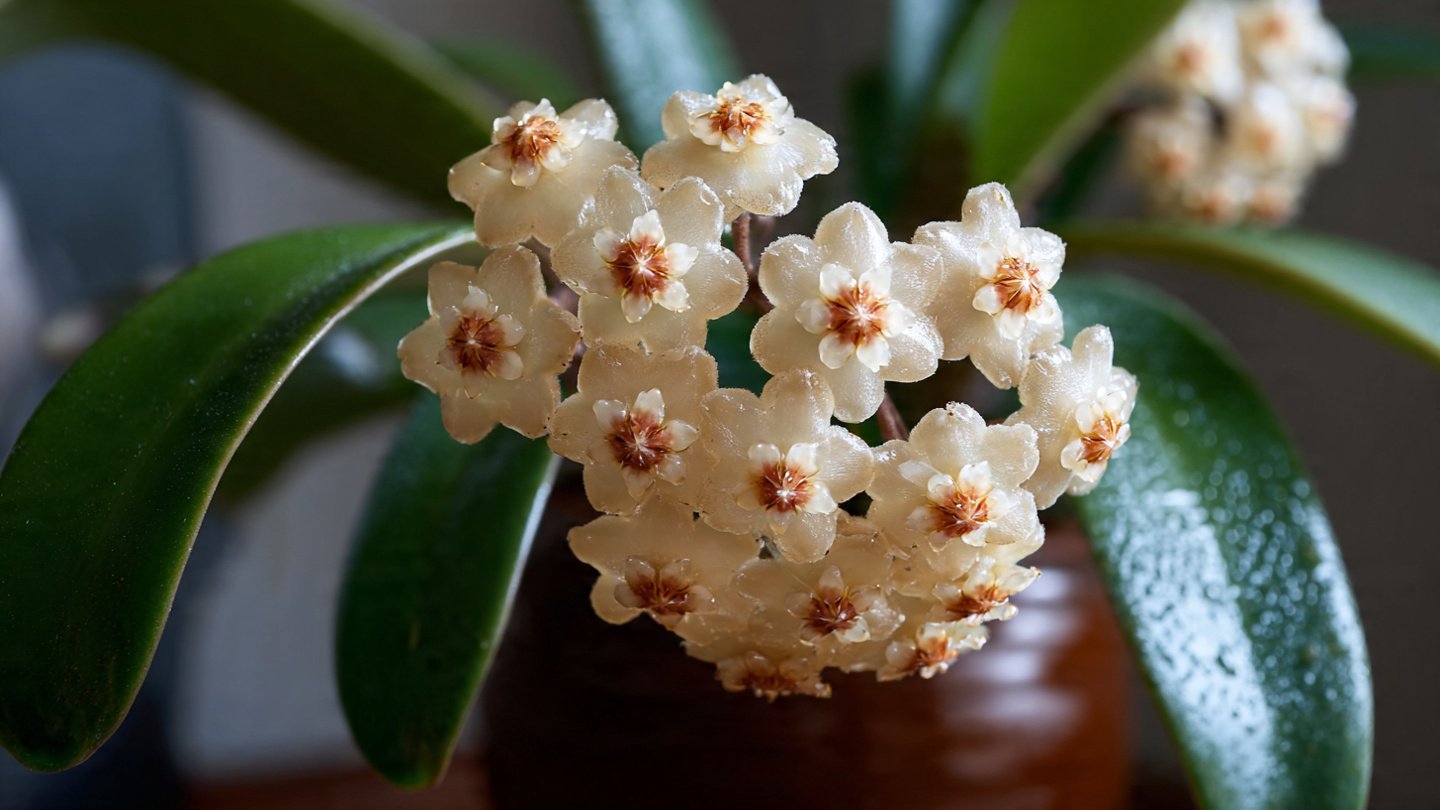
Hoyas, often called wax plants for their glossy, thick leaves and delicate, star-shaped flowers, are beloved by indoor gardeners worldwide. They bring a tropical touch to homes, require minimal care, and can live for decades. Yet, one frustration many Hoya owners encounter is the plant’s reluctance to bloom. Despite lush green foliage, your Hoya may take months or even years before producing flowers. Understanding why this happens and how to encourage blooming can transform your indoor plant experience, allowing you to enjoy its spectacular, fragrant clusters.
Understanding Hoya Blooming Patterns
Hoyas are slow-growing, perennial vines. Unlike many flowering houseplants, their bloom cycle is not rapid or seasonal in the same way as common annuals. In nature, Hoyas flower in response to a combination of environmental cues such as light, temperature, and age. In your home, replicating these conditions can sometimes be tricky.
Key points about Hoya blooming:
- Age Matters: Hoyas usually need to reach maturity before flowering. Younger plants, even if healthy, may not bloom.
- Blooming Nodes: Flowers emerge from specialized nodes called peduncles. Removing these prematurely can reset the plant’s bloom cycle.
- Slow Growth Habit: Many Hoyas grow only a few inches per year indoors, making the wait for blooms seem longer.
Understanding these natural traits helps manage expectations and informs strategies to encourage flowering.
Common Reasons Your Hoya Isn’t Blooming
If your Hoya hasn’t flowered, several factors might be at play:
1. Insufficient Light
Light is the most critical factor for encouraging Hoya blooms. Most Hoya species, such as Hoya carnosa and Hoya pubicalyx, thrive in bright, indirect light. Insufficient light can lead to vigorous leaf growth but little to no flowering.
- Solution: Move your Hoya to a spot with bright, filtered light. A south- or east-facing window is ideal. If natural light is limited, supplement with LED grow lights designed for flowering plants.
2. Overfertilization
While Hoyas appreciate nutrients, overfertilizing, especially with high-nitrogen fertilizers, can encourage lush foliage at the expense of flowers. Too much nitrogen pushes energy toward leaves rather than flower production.
- Solution: Use a balanced fertilizer with slightly higher phosphorus content (the middle number in N-P-K, e.g., 10-30-20) during the growing season. Fertilize sparingly, about once a month, and avoid fertilizing during the plant’s rest period.
3. Incorrect Pruning
Pruning is important for Hoya maintenance but must be done carefully. Flower clusters emerge from old peduncles (nodes where previous flowers appeared). Removing these can delay blooming, sometimes for years.
- Solution: Allow old peduncles to remain intact. Only remove leaves or stems that are unhealthy or excessively crowded, but never cut the flowering nodes.
4. Lack of a Rest Period
Hoyas need a seasonal rest period, often in cooler months with reduced water and less fertilizer. Skipping this natural dormancy can prevent the plant from entering the flowering phase.
- Solution: Reduce watering slightly in fall and winter, allowing the soil to dry a bit between waterings. Stop or reduce fertilization during this period to mimic natural seasonal conditions.
5. Improper Temperature and Humidity
Hoyas are tropical plants, so they prefer warm temperatures and higher humidity. Low humidity or cold drafts can stress the plant, delaying or preventing flowering.
- Solution: Maintain temperatures between 60–80°F (16–27°C) and humidity around 50–70%. Use a pebble tray, humidifier, or group plants together to create a more humid microenvironment.
6. Pot Size and Root Stress
Hoyas often bloom better when slightly root-bound. Pots that are too large can encourage excessive leaf growth while delaying flowering. Conversely, overly stressed roots can also prevent blooms.
- Solution: Keep your Hoya in a moderately snug pot and repot only when roots are visibly overcrowded. A slightly tighter root environment encourages bloom initiation.
How to Encourage Your Hoya to Bloom
Once you understand the reasons for delayed flowering, you can implement strategies to encourage your plant to produce its iconic waxy flowers.
1. Provide Optimal Light
- Place your Hoya in a location with bright, indirect sunlight.
- Consider using supplemental grow lights if natural light is limited, ensuring about 10–12 hours of light per day.
- Rotate the plant periodically for even light exposure, which promotes uniform growth and flower production.
2. Adjust Fertilization
- Switch to a bloom-friendly fertilizer with higher phosphorus content during spring and summer.
- Fertilize sparingly; overfeeding can delay flowering.
- Avoid fertilizing in fall and winter to allow the plant to rest.
3. Respect Flowering Nodes
- Keep old peduncles intact; new flowers will emerge from these points.
- Avoid pinching or cutting flower clusters unless they are diseased or damaged.
- This patience ensures the plant can develop buds from mature nodes.
4. Implement a Rest Period
- Reduce watering slightly in winter, letting the top 1–2 inches of soil dry between watering.
- Cease or reduce fertilization during this period.
- Cooler temperatures (around 60–65°F / 16–18°C) during dormancy can mimic natural seasonal cycles, signaling the plant to prepare for blooming.
5. Maintain Warmth and Humidity
- Keep your Hoya in a warm environment, avoiding cold drafts or temperatures below 50°F (10°C).
- Increase humidity using a tray of water, pebble tray, or indoor humidifier.
- Grouping plants together can also help maintain a favorable microclimate.
6. Encourage Slight Root Constriction
- Avoid oversized pots. Slightly restricted roots encourage flowering in many Hoya species.
- Repot only when necessary, usually every 2–3 years or when roots are visibly circling the pot.
7. Pruning for Shape, Not Blooms
- Prune sparingly to control plant shape and remove dead or unhealthy growth.
- Focus on maintaining airflow and light penetration to inner foliage.
- Avoid removing flower nodes to preserve blooming potential.
8. Patience and Observation
- Hoyas are slow bloomers. Some varieties may take years before producing flowers indoors.
- Observe new growth and emerging buds carefully. Often, signs of impending bloom include thickening stems and the formation of peduncles at older nodes.
- Celebrate small signs of progress, such as new leaf growth and thicker stems, as precursors to flowers.
Additional Tips
- Watering: Use room-temperature water and avoid wetting leaves to reduce fungal risk.
- Soil: A well-draining mix with orchid bark, perlite, and peat moss supports healthy roots.
- Pests: Monitor for mealybugs, aphids, or spider mites, as infestations can stress the plant and delay blooming.
By combining optimal care with patience, you can encourage your Hoya to flower indoors successfully.
Conclusion
Hoya plants are prized not just for their lush foliage but for their exquisite, fragrant blooms. If your plant isn’t flowering, it’s often due to factors like insufficient light, overfertilization, improper pruning, or lack of rest. By understanding the Hoya’s natural growth and bloom cycle, adjusting care practices, and providing ideal light, temperature, and humidity, you can encourage your plant to produce its signature clusters of waxy flowers.
Remember, Hoyas are slow bloomers, and patience is key. Focusing on healthy foliage, respecting flower nodes, and providing seasonal care will eventually reward you with stunning blooms. With the right environment and a little care, your Hoya will not only thrive but also display its full floral potential, turning your indoor space into a fragrant, tropical haven.