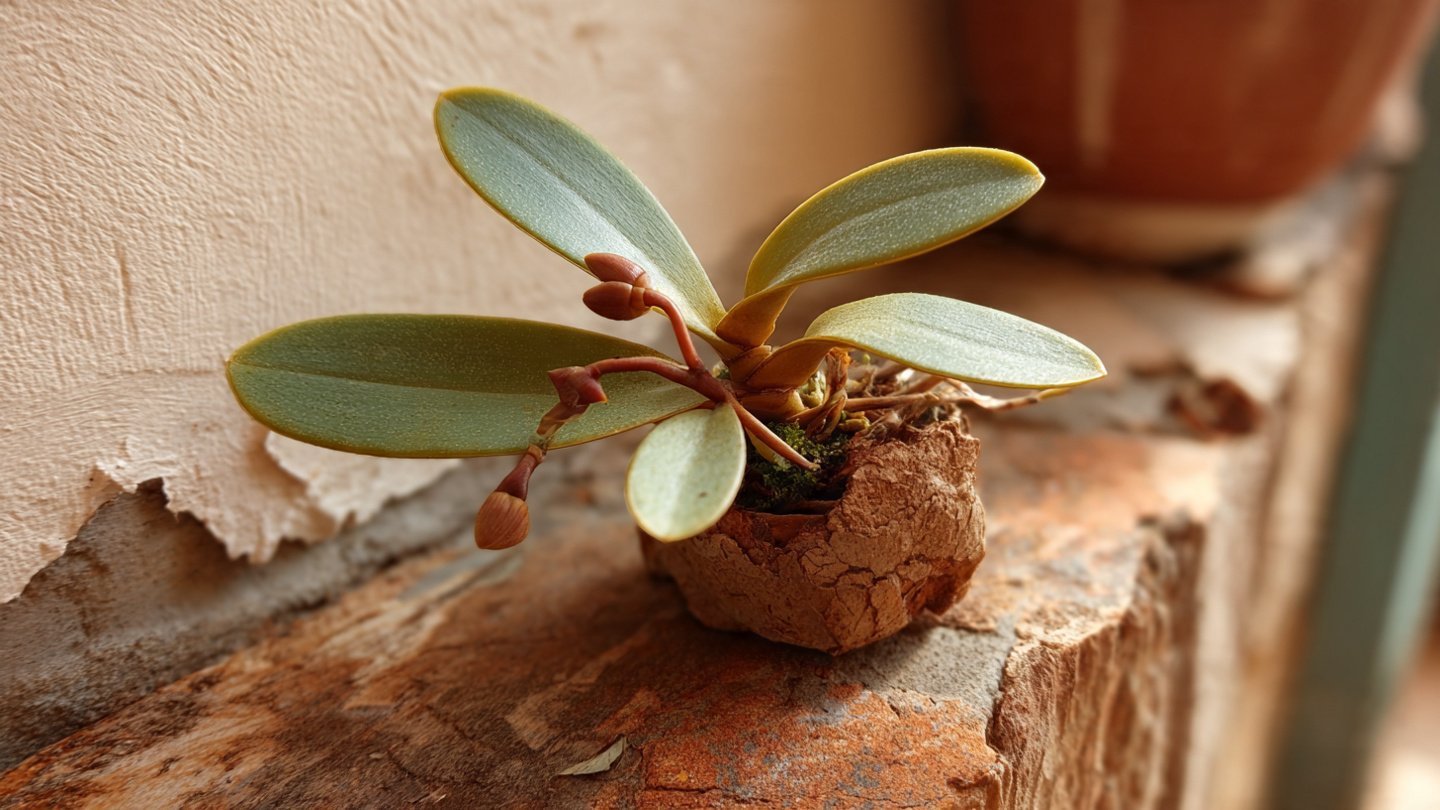
Orchids are renowned for their exotic beauty, delicate petals, and captivating fragrances. Yet, many orchid enthusiasts experience a frustrating scenario: their plants thrive, producing lush, green leaves, but fail to bloom. Seeing an orchid produce only leaves instead of flowers can be confusing, especially when the plant appears healthy. Understanding the reasons behind this behavior is key to encouraging flowering and achieving that spectacular display. In this article, we’ll explore the common causes and solutions to help your orchid finally bloom.
Understanding Orchid Growth Patterns
Orchids are unique among houseplants because their growth cycles often alternate between periods of vegetative growth (leaves and roots) and reproductive growth (flowers). Many species, including the popular Phalaenopsis and Cattleya, spend extended periods producing leaves before initiating flower spikes. Producing only leaves is not always a sign of poor care—it may simply indicate that your orchid is focusing energy on building a strong foundation.
Healthy leaves are essential for photosynthesis, which fuels flowering. However, if your orchid continuously produces leaves year after year without flowering, it’s a sign that something is off in its care routine or environment.
Common Reasons Orchids Produce Only Leaves
1. Insufficient Light
Light is perhaps the most critical factor in triggering orchid blooms. Orchids require bright, indirect light to produce flowers. Leaves may grow beautifully under low-light conditions, but without enough light, the plant cannot generate the energy needed for blooming.
Signs of light-related issues:
- Leaves are dark green instead of a lighter, medium green. Dark green leaves often indicate insufficient light.
- Flower spikes never form, despite healthy leaf growth.
Solution:
- Move your orchid to a brighter location, such as near an east- or south-facing window.
- If natural light is limited, supplement with artificial lighting using full-spectrum grow lights for 10–12 hours daily.
- Avoid direct sunlight on sensitive orchids, which can scorch leaves.
2. Incorrect Temperature
Temperature fluctuations play a significant role in orchid blooming, particularly for Phalaenopsis orchids. These orchids need a temperature drop between day and night—usually around 10–15°F—to initiate flower spikes.
Signs of temperature-related issues:
- The orchid remains in vegetative growth even after a full year.
- The plant shows no signs of buds forming despite adequate light.
Solution:
- Create a temperature differential by moving the orchid to a cooler spot at night, or slightly adjusting room temperature if possible.
- For indoor orchids, placing the plant near a window with cooler nighttime air can encourage blooming.
3. Overfertilization or Improper Fertilizer
Fertilizing is essential for healthy orchids, but overfertilization can promote leaf growth at the expense of flowers. High nitrogen levels encourage lush, green foliage but may suppress flower production.
Signs of fertilizer imbalance:
- Rapid leaf growth with little to no flower spikes.
- Leaf tips may appear burned if fertilizer is too strong.
Solution:
- Use a balanced orchid fertilizer with a ratio like 20-20-20 during vegetative growth.
- Switch to a bloom-encouraging fertilizer higher in phosphorus (e.g., 10-30-20) about 6–8 weeks before expected flowering.
- Fertilize lightly every 1–2 weeks, diluted to half the recommended strength.
4. Potting Medium Issues
Orchids are epiphytes, meaning they naturally grow on trees, not in soil. Therefore, the potting medium plays a crucial role in root health and flowering. If the medium retains too much moisture, roots can suffocate, leading the plant to focus on leaf growth rather than blooms.
Signs of medium-related problems:
- Roots appear soggy or brown instead of firm and green/white.
- Leaves grow steadily, but buds never emerge.
Solution:
- Repot orchids every 1–2 years using a well-draining medium such as bark, sphagnum moss, or a specialized orchid mix.
- Ensure the pot has proper drainage holes to prevent waterlogging.
- Avoid traditional garden soil, which retains too much moisture for orchids.
5. Immature or Overgrown Plants
Sometimes orchids produce only leaves because they are not mature enough to flower. Newly acquired plants or young divisions may need 1–2 years of vegetative growth before they can produce flower spikes. Similarly, very old plants that have outgrown their pots may focus on survival rather than blooming.
Signs of maturity issues:
- Plant is newly purchased or recently repotted.
- Older plants have excessively long roots confined in a small pot.
Solution:
- Be patient with young orchids; continue providing proper care until the plant matures.
- Repot older plants if roots are crowded, giving them space to grow.
- Avoid cutting back healthy foliage unnecessarily, as leaves are essential for energy storage.
6. Lack of Stress or Rest Period
Many orchid species require a slight period of stress or dormancy to trigger flowering. For example, Cymbidiums bloom after exposure to cooler temperatures and reduced watering in late summer or fall. Without this environmental cue, the plant may continue producing leaves indefinitely.
Signs of dormancy-related issues:
- The orchid never seems to experience a natural seasonal cycle.
- Constant growth with no flowering for years.
Solution:
- Mimic natural seasonal changes by slightly reducing watering and fertilization for a few weeks, and providing cooler night temperatures if possible.
- Resume normal care once signs of new flower spike initiation appear.
7. Pests or Disease
Orchids may focus on leaf production if they are stressed by pests or disease. Infestations of aphids, mealybugs, or scale insects can sap energy from the plant, preventing flower development. Fungal or bacterial infections in the roots or leaves can have similar effects.
Signs of pest or disease issues:
- Sticky residue, visible bugs, or white cottony masses on leaves and stems.
- Leaf spots, yellowing, or root rot.
Solution:
- Inspect your orchid regularly for pests and treat infestations promptly with insecticidal soap or neem oil.
- Remove affected leaves if necessary and maintain good air circulation around the plant.
- Ensure proper watering and avoid overwatering to prevent root rot.
Encouraging Flowering in Orchids
If your orchid has been producing only leaves, there are several strategies to encourage blooms:
- Adjust Lighting: Move the plant to a brighter spot or provide supplemental grow lights.
- Temperature Control: Implement a day-night temperature differential, especially for Phalaenopsis and other tropical orchids.
- Fertilizer Adjustment: Use bloom-promoting fertilizers higher in phosphorus.
- Repotting: Refresh the potting medium and provide a larger container if the plant is root-bound.
- Stress Period: Reduce watering slightly and simulate seasonal changes to trigger flowering.
- Pruning: Remove old or dead flower spikes to redirect energy to new blooms.
Patience is Key
Finally, patience is essential when dealing with orchids. Even experienced growers must sometimes wait several months—or even a year—before seeing flowers. Remember, lush leaves are a positive sign of a healthy plant and indicate that your orchid is storing energy for future blooms.
By understanding the causes of leaf-only growth, adjusting environmental factors, and applying consistent care, you can enjoy the beautiful rewards of orchid flowers. With proper light, temperature, nutrition, and care, your orchid will eventually transition from a leafy plant to a flowering masterpiece.
Conclusion
Orchids that produce only leaves instead of flowers can be frustrating, but this behavior often reflects the plant’s focus on vegetative growth and energy storage. Common causes include insufficient light, improper temperature, overfertilization, unsuitable potting medium, immaturity, lack of stress, or pest issues.
By addressing these factors, you can encourage your orchid to bloom beautifully. Ensure your orchid receives adequate light, implement temperature differentials, use the right fertilizer at the right time, maintain a healthy potting medium, and allow for periods of rest or stress. Regular monitoring for pests and diseases is also essential.
Ultimately, patience and attentive care are the keys to success. With the right environment and proper attention, your orchid will transition from a leafy, vegetative state to a stunning display of colorful blooms, rewarding your efforts and dedication.