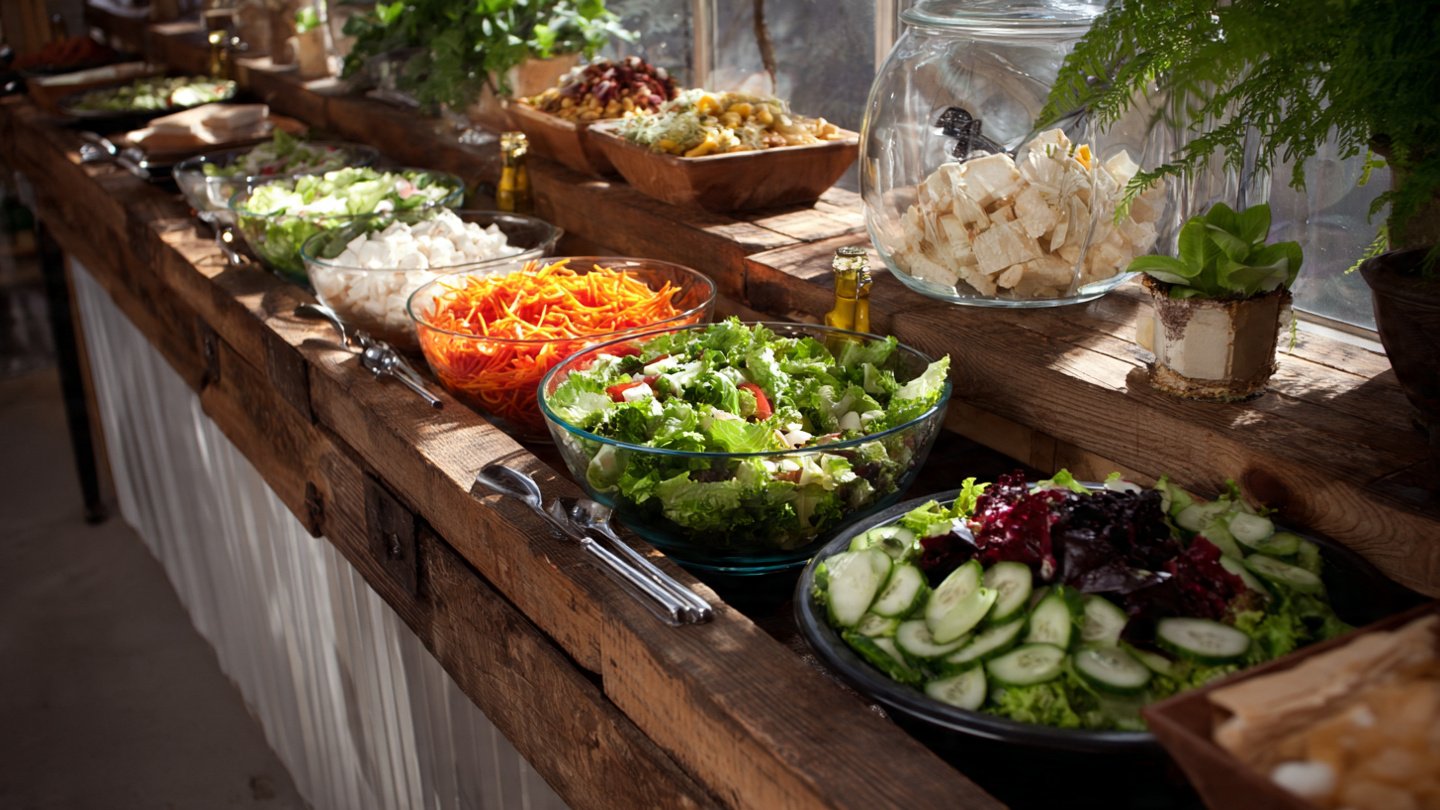
In today’s world, where sustainability meets creativity, repurposing everyday items into functional and aesthetically pleasing solutions has become increasingly popular. One such innovative idea is transforming a repurposed rain gutter into a gourmet salad bar. Not only does this approach reduce waste and promote eco-friendly practices, but it also creates a visually striking and practical centerpiece for home gardens, patios, or even indoor dining spaces. This guide provides step-by-step instructions, design tips, and essential considerations for turning a simple rain gutter into a thriving salad bar.
Why Choose a Rain Gutter for a Salad Bar?
Rain gutters, typically made from durable materials like aluminum, PVC, or galvanized steel, are designed to channel water efficiently. Their elongated, narrow shape makes them ideal for planting a variety of herbs, leafy greens, and small vegetables in a compact and organized manner. By repurposing gutters, you can create a vertical or horizontal salad bar that saves space, encourages homegrown produce, and adds a touch of ingenuity to your garden or kitchen.
Additionally, using rain gutters aligns with sustainable gardening principles. Instead of discarding old or surplus gutters, you give them a new purpose, reducing environmental impact while producing fresh, homegrown food. The result is not only functional but also visually appealing, combining utility and design in one creative project.
Selecting and Preparing Your Rain Gutters
The first step in transforming a gutter into a salad bar is selecting the right materials. Aluminum gutters are lightweight and resistant to rust, making them an excellent choice for both indoor and outdoor use. PVC gutters are inexpensive, easy to cut, and come in various lengths, although they may be less durable outdoors over long periods. Galvanized steel gutters offer durability but may require additional treatment to prevent corrosion when used for planting.
Once you have chosen your gutter type, clean it thoroughly to remove any debris, rust, or residues that could interfere with soil quality. Sand any rough edges to prevent injuries during handling, and consider applying a food-safe liner or coating to protect your plants from metals or chemical residues, especially if the gutter is recycled from construction materials.
Designing Your Salad Bar Layout
The design phase involves deciding how you want your salad bar to function and appear. You can opt for a single long gutter for a linear planting arrangement, stack multiple gutters vertically for a vertical salad wall, or create tiered horizontal levels for a multi-layered display. Vertical designs are particularly effective in small spaces such as balconies, patios, or urban gardens, while horizontal setups suit larger outdoor areas or indoor kitchens with ample counter space.
Consider the types of plants you wish to grow. Leafy greens like lettuce, spinach, and arugula have shallow roots, making them perfect for gutter gardening. Herbs such as basil, parsley, cilantro, and chives also thrive in narrow planting spaces. Smaller vegetables like radishes or baby carrots may require slightly deeper soil, so ensure the gutter depth accommodates your selection.
Installing Drainage
Drainage is crucial when transforming a gutter into a salad bar. Without proper water flow, roots may become waterlogged, leading to rot and poor plant health. Drill small holes evenly along the bottom of the gutter to allow excess water to escape. For vertical setups, consider installing a catch basin or tray beneath the lowest gutter to collect runoff and prevent soil erosion or water damage to surrounding surfaces.
For indoor salad bars, place a waterproof tray underneath the gutter to capture excess water. This ensures cleanliness and avoids messes while keeping your kitchen or indoor space safe from potential water damage.
Preparing the Soil
Choosing the right soil mix is essential for the success of your gourmet salad bar. A lightweight, well-draining potting mix is ideal, often composed of equal parts organic compost, perlite, and peat moss or coco coir. This mixture retains enough moisture for the plants while allowing air to circulate around the roots, preventing fungal growth or overwatering issues.
Add slow-release organic fertilizer or nutrient-rich amendments to encourage healthy growth, particularly for herbs and leafy greens that require consistent nutrients for robust flavor. Avoid using heavy garden soil, as it may compact and impede root development in the narrow gutter space.
Planting Your Salad Bar
When planting, arrange your greens and herbs strategically to maximize space and visual appeal. Start by filling the gutter with the prepared soil mix, leaving about an inch of space from the top edge to prevent overflow during watering. Space seeds or seedlings according to their mature size, ensuring each plant has adequate room to grow without overcrowding.
For a gourmet touch, consider planting complementary flavors together. For example, pair basil with cherry tomatoes, or cilantro with small radishes, creating mini salad combinations that can be harvested directly from the gutter. Mixing textures, colors, and heights adds visual interest and encourages healthy plant growth by reducing competition for sunlight and nutrients.
Watering and Maintenance
Watering is a critical component of maintaining a healthy salad bar. Because gutters have limited soil volume, plants can dry out quickly, especially during hot weather or in indoor setups with dry air. Regular monitoring is essential. Water the plants thoroughly but avoid overwatering; excess water should flow freely through the drainage holes.
Mulching the soil surface with a thin layer of straw, shredded leaves, or small pebbles can help retain moisture, regulate temperature, and reduce weed growth. Additionally, prune and harvest regularly to encourage new growth and prevent plants from becoming leggy or overcrowded. This ensures a consistent supply of fresh greens and herbs for your gourmet salad creations.
Enhancing Aesthetic Appeal
A repurposed rain gutter salad bar is not only functional but can also be a striking visual feature. Paint the gutter in bright, weather-resistant colors to match your outdoor décor or kitchen theme. For vertical setups, mounting gutters on decorative frames, trellises, or walls adds artistic flair while supporting the structure.
Consider labeling each plant section with small wooden stakes, chalkboard tags, or recycled materials for an organized and charming presentation. This adds both practicality and charm, making it easy for gardeners to identify herbs and greens while also serving as an attractive conversation piece for guests.
Incorporating a Gourmet Experience
To elevate your salad bar from a simple planter to a gourmet experience, integrate thoughtful culinary considerations. Select plant varieties known for their flavor intensity and freshness, such as butterhead lettuce, peppery arugula, or aromatic herbs like Thai basil and tarragon. Layering flavors in the gutter allows for harvesting a mix of greens that complement each other, making it easy to create salads with diverse textures and tastes.
For indoor use, consider positioning the salad bar near a kitchen window or light source, allowing immediate access while cooking. Pair your gourmet salad bar with decorative bowls, cutting boards, and salad servers to encourage a seamless farm-to-table experience right at home.
Seasonal Care and Rotation
Maintaining a productive salad bar requires attention to seasonal changes. During warmer months, ensure adequate shading to prevent heat stress, while in colder seasons, consider moving indoor setups near natural light or supplementing with grow lights. Rotate crops regularly to avoid soil nutrient depletion, disease buildup, or pest infestations. Incorporate companion planting strategies to enhance plant health naturally and deter unwanted pests.
Troubleshooting Common Issues
While gutter salad bars are relatively easy to manage, certain challenges may arise. Yellowing leaves often indicate overwatering or nutrient deficiencies. Slow growth may result from insufficient light or overcrowded plants. Pests such as aphids or slugs may appear, especially in outdoor installations. Address these issues promptly by adjusting watering schedules, improving soil quality, pruning affected areas, or using natural pest control solutions like neem oil or insecticidal soap.
Sustainability and Eco-Friendly Benefits
Repurposing rain gutters as salad bars offers significant sustainability benefits. It reduces plastic and metal waste by giving discarded materials a functional purpose. Growing your own greens and herbs minimizes reliance on commercially packaged produce, reducing transportation-related carbon emissions. Moreover, a homegrown salad bar encourages healthy eating, fosters creativity, and promotes environmental awareness in both adults and children.
Conclusion
Transforming a repurposed rain gutter into a gourmet salad bar is a practical, sustainable, and creative gardening project. From selecting and preparing the gutter, designing a functional layout, planting flavorful greens and herbs, to maintaining and harvesting your miniature salad oasis, each step contributes to a productive and visually appealing outcome. By embracing this innovative approach, you not only cultivate fresh, healthy ingredients at home but also contribute to eco-friendly practices while adding a unique centerpiece to your garden or kitchen. With careful planning, consistent care, and a touch of culinary creativity, a simple rain gutter can be transformed into a flourishing gourmet salad bar that delights the senses and inspires sustainable living.