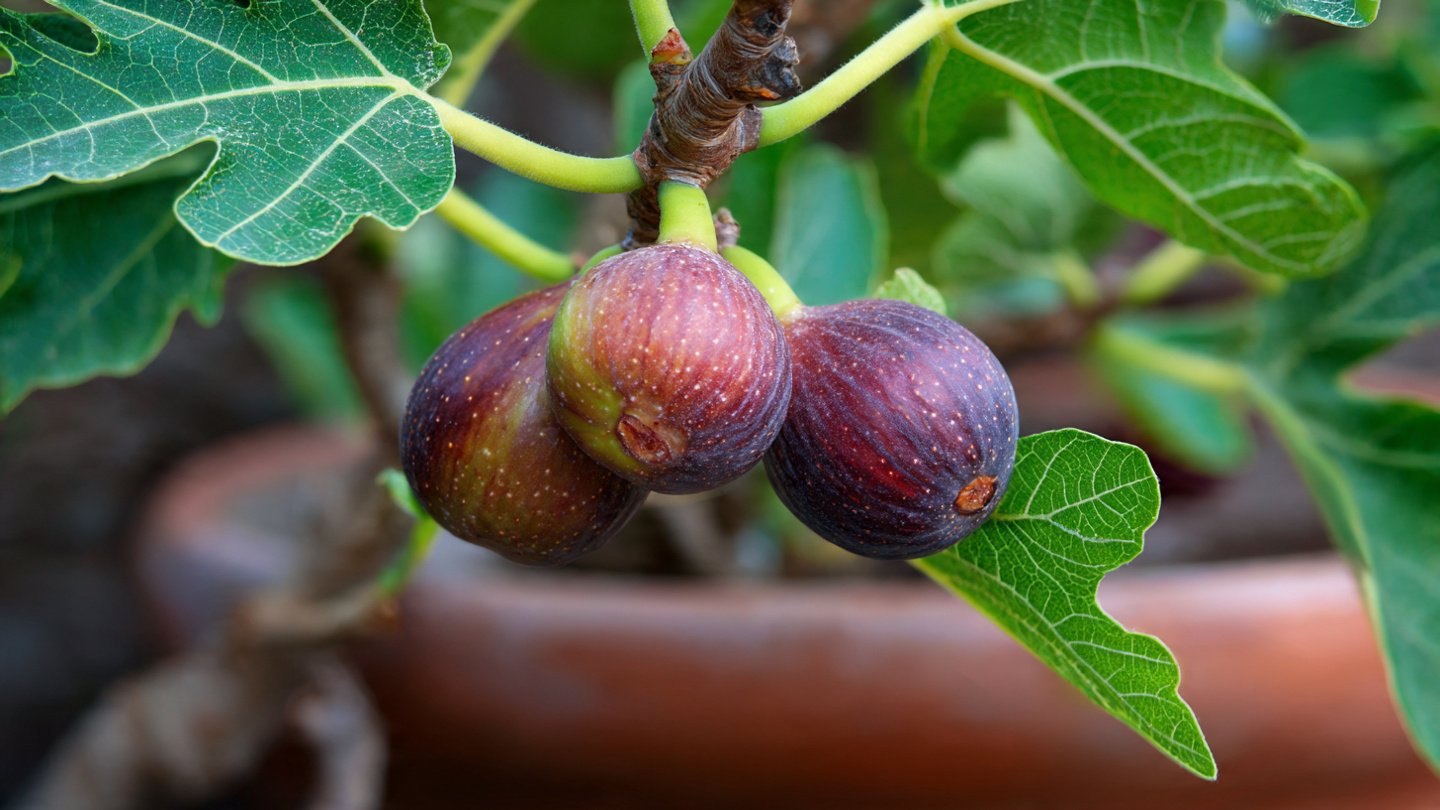
Figs are among the most rewarding fruit trees to grow, offering sweet, nutritious fruits, attractive foliage, and an air of Mediterranean charm. Traditionally, figs thrive in warm climates with long, sunny growing seasons, but many gardeners assume that growing them is only possible in specific regions. In reality, figs can be successfully cultivated in containers, allowing anyone, regardless of climate, to enjoy fresh figs at home. Container gardening provides flexibility, mobility, and control over soil, water, and temperature, enabling fig trees to flourish in small spaces, balconies, patios, or even indoors. With the right techniques, care, and planning, growing figs in containers is both practical and highly satisfying.
The first key to success is selecting the appropriate fig variety. Figs come in many types, each with unique characteristics, such as fruit color, flavor, size, and cold hardiness. For container cultivation, dwarf or compact varieties are ideal because they are naturally smaller and easier to manage. Varieties such as ‘Petite Negra,’ ‘Little Miss Figgy,’ and ‘Celeste’ perform well in pots and produce abundant fruit. Additionally, consider the climate in your area; some figs tolerate cooler temperatures better, while others require long, hot summers for optimal fruiting. Choosing the right variety ensures that your container fig will thrive in the space you have.
Choosing the proper container is essential for a healthy fig tree. Figs grow rapidly and develop extensive root systems, so containers must provide enough space for roots to expand while allowing drainage. A pot with a minimum capacity of 15 to 20 gallons is recommended for long-term growth, while smaller pots may suffice for young plants or dwarf varieties. Use containers with drainage holes to prevent waterlogging, which can lead to root rot and poor fruit production. Lightweight containers, such as plastic, resin, or fabric grow bags, are ideal for moving the plant indoors during cold weather, while heavier pots, such as ceramic or stone, provide stability for larger trees.
Selecting the right soil is equally important. Fig trees require well-draining soil with a balanced mix of organic matter and minerals. A high-quality potting mix combined with compost or aged manure provides nutrients and retains moisture without becoming compacted. Adding perlite or coarse sand improves aeration and drainage. Avoid using garden soil directly, as it may be too dense for container growth and could harbor pests or diseases. A nutrient-rich, well-draining soil ensures healthy root development and supports vigorous growth and fruiting.
Positioning the container in an ideal location is critical for fruit production. Fig trees need full sunlight to thrive, with at least six to eight hours of direct sun per day. Place the container in a sunny spot, such as a balcony, patio, or windowsill that receives maximum light. If growing indoors, supplement with grow lights to provide the necessary light intensity for photosynthesis and fruit development. Adequate sunlight encourages strong growth, promotes flowering, and enhances fruit sweetness.
Watering container figs requires careful attention. Fig trees prefer consistently moist soil but cannot tolerate soggy conditions. Water the tree thoroughly when the top inch of soil feels dry, ensuring water reaches the root zone. During hot or dry periods, container soil dries faster than garden beds, so more frequent watering may be necessary. Mulching the soil surface with organic materials, such as bark, straw, or compost, helps retain moisture, regulate temperature, and reduce evaporation. Proper watering is essential for root health and supports sustained fruit production.
Fertilization is another critical factor for successful container fig cultivation. Unlike in-ground trees, container figs rely on the limited nutrients available in the potting mix. Use a balanced, slow-release fertilizer in early spring, followed by periodic feeding with a water-soluble fertilizer during the growing season. Fertilizers high in nitrogen promote leaf and branch growth, while those with phosphorus and potassium encourage flowering and fruiting. Avoid over-fertilization, which can result in excessive leafy growth at the expense of fruit development. Consistent, moderate fertilization ensures a healthy tree and abundant harvest.
Pruning container fig trees is essential to maintain size, shape, and productivity. Pruning encourages branching, increases air circulation, and allows light to penetrate the canopy, promoting fruit development. Remove dead, damaged, or weak branches and thin crowded growth during the dormant season. For container trees, pruning helps control height and width, making the plant manageable and preventing root confinement. Regular pruning also stimulates new growth, which is where most fig fruits develop, ensuring consistent yields each year.
Overwintering figs is a critical consideration for gardeners in cooler climates. Container-grown figs can be moved indoors, into a garage, or placed in a greenhouse to protect them from frost and freezing temperatures. Reduce watering during dormancy to prevent root rot, and maintain temperatures above 30°F to 40°F if possible. In milder climates, fig trees can remain outdoors year-round with proper protection, such as wrapping the pot with insulating materials or using frost blankets. Successfully overwintering container figs ensures their survival and productivity for the following season.
Pollination and fruiting are key factors to consider. Most common fig varieties are self-pollinating, meaning they can produce fruit without another tree. Container figs, however, may produce smaller or fewer fruits compared to in-ground trees if they do not receive adequate sunlight and water. Encouraging pollination can involve gentle hand-pollination using a small brush to transfer pollen from flowers to stigmas, although this is rarely necessary for self-pollinating varieties. Proper care, sufficient sunlight, and regular maintenance contribute to fruit quality and quantity.
Pest and disease management is crucial for healthy container-grown figs. Common pests include aphids, spider mites, scale insects, and mealybugs. Regular inspection of leaves, branches, and fruit helps identify infestations early. Natural remedies, such as neem oil, insecticidal soap, or horticultural oils, can control pests without harming the tree or the environment. Container figs are less prone to soil-borne diseases but may develop fungal infections if overwatered or poorly ventilated. Maintaining proper pruning, spacing, and watering practices reduces disease risk and keeps trees productive.
Container figs also benefit from occasional repotting. As the tree grows, roots may become crowded, reducing nutrient availability and water retention. Repotting every two to three years into a slightly larger container refreshes soil, stimulates growth, and allows for root expansion. During repotting, prune any damaged or overgrown roots and replace old soil with fresh, nutrient-rich potting mix. Proper repotting ensures long-term health, prevents root-bound conditions, and supports vigorous fruiting.
Training and support enhance the growth and productivity of container figs. For larger container trees, use stakes, trellises, or cages to support branches laden with fruit. Training branches vertically or outward prevents breakage, improves sunlight exposure, and maintains a compact, manageable shape. Proper support reduces stress on the plant, enhances air circulation, and ensures fruits develop evenly without falling prematurely. This technique is especially valuable for dwarf or semi-dwarf varieties grown in confined spaces.
Container gardening allows flexibility in creating diverse fig-growing environments. Figs can be grown in single pots, grouped in clusters, or arranged in vertical or tiered designs for small spaces. Companion planting with herbs or flowers enhances aesthetics and can improve soil health. Rotating containers to follow sunlight patterns, or placing them in protected areas during inclement weather, ensures optimal growth conditions. Container figs offer adaptability that in-ground trees cannot, making them suitable for various climates and spaces.
Harvesting figs at the right time is essential for maximum flavor and sweetness. Figs do not continue to ripen after picking, so they must be harvested when fully mature. Signs of ripeness include softening of the fruit, slight drooping on the branch, and a rich color specific to the variety. Gently twist or snip the fruit from the branch to avoid damaging the tree. Frequent harvesting encourages continuous fruit production and prevents overripe fruit from attracting pests.
Growing figs in containers also provides a sense of accomplishment and convenience. Having fresh figs readily available enhances meals, desserts, and preserves. Container-grown figs can be placed near kitchens, patios, or balconies, making them accessible for harvesting and enjoyment. This proximity allows gardeners to monitor growth closely, adjust care routines as needed, and create an attractive, functional addition to their living space.
In addition to fruit production, container fig trees offer ornamental value. Their large, lobed leaves create visual interest, provide shade, and contribute to a Mediterranean garden aesthetic. Figs in decorative containers enhance patios, terraces, or indoor spaces, combining functionality with beauty. Strategic placement of fig containers can create focal points, screen unsightly areas, or complement other garden elements. The combination of edible and ornamental value makes container figs an ideal choice for versatile home gardening.
In conclusion, successfully growing figs in containers is achievable anywhere with proper planning, care, and attention to detail. Selecting the right variety, using an appropriately sized container, providing well-draining soil, and ensuring adequate sunlight are essential steps. Consistent watering, balanced fertilization, pruning, and pest management maintain plant health and encourage fruiting. Overwintering strategies, repotting, and training branches ensure long-term productivity and manageable growth.
Container-grown figs allow gardeners to enjoy fresh fruit, create beautiful garden features, and engage in environmentally conscious gardening practices. They provide flexibility for small spaces, portability for climate control, and convenience for harvesting. With dedication, patience, and proper techniques, anyone can cultivate fig trees in containers, experiencing the satisfaction of homegrown fruit while enhancing their garden’s beauty and sustainability. Growing figs in pots transforms limited spaces into productive, attractive, and rewarding gardens suitable for any climate or location.