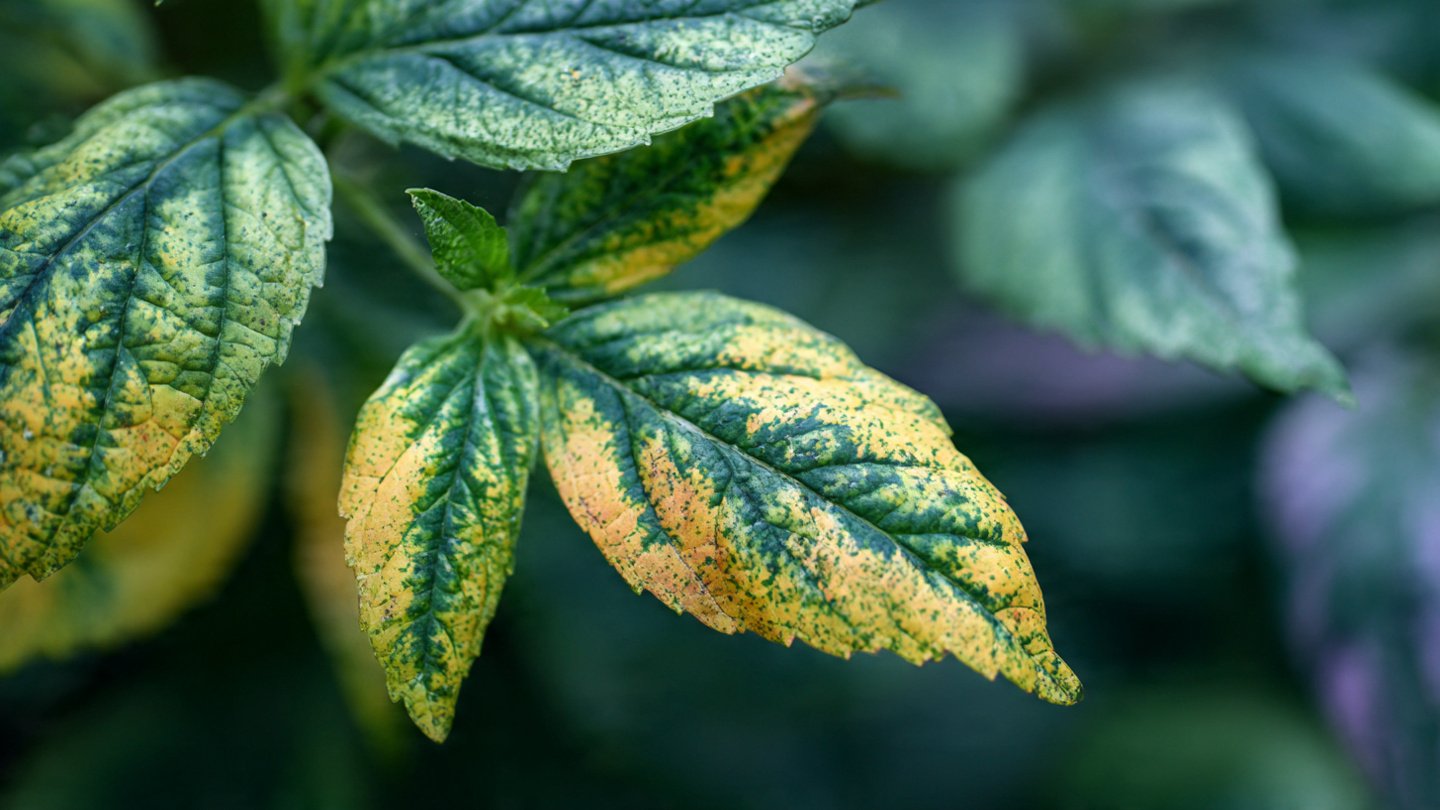
For any gardener, the health of a plant often begins with its leaves. Leaves are the first indicators of stress, disease, or nutritional imbalance. A plant that lacks essential nutrients will often display visible changes in leaf color, shape, or texture long before other symptoms appear. Being able to spot nutrient deficiencies effectively can save your garden from poor growth, lower yields, and long-term damage. This article explores the signs, causes, and solutions for nutrient deficiencies in leaves, empowering you to act before it’s too late.
Understanding Plant Nutrition
Plants need a variety of nutrients to grow and thrive. These are generally divided into macronutrients and micronutrients.
- Macronutrients are required in larger quantities. They include:
- Nitrogen (N): Essential for leaf growth and chlorophyll production.
- Phosphorus (P): Supports root development, flowering, and energy transfer.
- Potassium (K): Regulates water balance, enzyme activation, and disease resistance.
- Calcium (Ca): Maintains cell wall structure and aids nutrient uptake.
- Magnesium (Mg): A core component of chlorophyll.
- Sulfur (S): Integral for protein synthesis.
- Micronutrients are needed in smaller amounts but are equally vital:
- Iron (Fe), Manganese (Mn), Zinc (Zn), Copper (Cu), Boron (B), Molybdenum (Mo), Chlorine (Cl).
A deficiency in any of these nutrients will manifest in the leaves. By recognizing the visual signs early, gardeners can correct the issue before significant harm occurs.
The Importance of Early Detection
Leaves serve as a plant’s primary site for photosynthesis, which drives growth. A nutrient deficiency impairs photosynthesis, reducing energy production and weakening the plant. Early detection allows gardeners to:
- Correct nutrient imbalances quickly.
- Prevent further spread of stress-related diseases.
- Maximize growth and yield.
- Avoid unnecessary loss of plants.
Waiting until symptoms become severe may require more intensive remedies, including soil amendments or chemical fertilizers, which can be costly and time-consuming.
Visual Signs of Common Nutrient Deficiencies
1. Nitrogen Deficiency
Symptoms:
- Older leaves turn pale green to yellow (chlorosis) because nitrogen is mobile in plants and moves to younger leaves.
- Growth slows, and plants appear smaller or stunted.
- Leaves may drop prematurely.
Solution: Apply a nitrogen-rich fertilizer or compost. Organic options like blood meal or fish emulsion are effective for replenishing nitrogen levels.
2. Phosphorus Deficiency
Symptoms:
- Leaves may appear dark green or develop purplish hues, particularly on the undersides.
- Plants grow slowly, with reduced flowering or fruiting.
- Leaf tips may become dry or curl slightly.
Solution: Incorporate bone meal, rock phosphate, or a phosphorus-based fertilizer into the soil. Cooler soil temperatures often reduce phosphorus availability, so ensuring warmth may help.
3. Potassium Deficiency
Symptoms:
- Leaf edges turn yellow or brown, a condition called leaf scorch.
- Older leaves show necrotic spots while new growth may remain healthy.
- Plants may be more susceptible to pests and disease.
Solution: Potassium sulfate or wood ash can replenish potassium. Regularly monitoring soil pH ensures potassium remains available to plants.
4. Calcium Deficiency
Symptoms:
- New leaves are distorted, curled, or develop tip burn.
- Blossom end rot in tomatoes or peppers is a classic indicator.
- Poor root and shoot development.
Solution: Apply lime or gypsum to the soil. Foliar sprays with calcium can also correct short-term deficiencies.
5. Magnesium Deficiency
Symptoms:
- Interveinal chlorosis: yellowing between veins while veins remain green.
- Older leaves are affected first.
- Leaves may become brittle or curl.
Solution: Epsom salts (magnesium sulfate) dissolved in water and applied to soil or leaves can restore magnesium levels.
6. Sulfur Deficiency
Symptoms:
- Uniform yellowing of young leaves.
- Stunted growth and delayed maturity.
- Poor flowering in some species.
Solution: Incorporate elemental sulfur, gypsum, or sulfate-based fertilizers. Regular soil testing helps ensure sulfur availability.
7. Iron Deficiency
Symptoms:
- Interveinal chlorosis in young leaves; older leaves remain green.
- Stunted growth in severe cases.
- Often occurs in alkaline soils where iron becomes insoluble.
Solution: Apply iron chelates or foliar sprays. Acidifying soil slightly can improve iron uptake.
8. Manganese, Zinc, and Other Micronutrient Deficiencies
Symptoms:
- Manganese: Yellow spots and necrosis between veins.
- Zinc: Reduced leaf size, shortened internodes, and interveinal yellowing.
- Boron: Distorted leaf tips, poor flowering, and brittle stems.
Solution: Foliar sprays or soil amendments containing the specific micronutrient can correct the deficiency. Micronutrient uptake is often pH-dependent, so soil testing is crucial.
Tips for Effective Leaf Observation
- Inspect Leaves Regularly: Weekly checks can catch early symptoms. Use a magnifying glass for fine spotting.
- Compare New and Old Leaves: Mobile nutrients (like nitrogen and potassium) show deficiencies in older leaves first, while immobile nutrients (like calcium and iron) affect new growth.
- Observe Leaf Color and Pattern: Uniform yellowing, interveinal chlorosis, spots, or curling all point to different deficiencies.
- Check Leaf Edges and Tips: Browning, scorching, or tip burn often indicates potassium or calcium issues.
- Document Changes: Take photos over time to compare progression, which helps identify trends or recurring issues.
Environmental Factors Affecting Nutrient Uptake
Nutrient deficiencies are not always caused by a lack of fertilizer. Several environmental factors can affect how plants absorb nutrients:
- Soil pH: Most nutrients are available in soil with pH 6–7. Extremes reduce nutrient solubility.
- Watering Practices: Overwatering can leach nutrients; underwatering can limit absorption.
- Soil Compaction: Roots struggle to access nutrients in compacted soils.
- Temperature: Extreme cold or heat can impair nutrient uptake.
- Pest Damage: Damaged roots or leaves may absorb fewer nutrients.
Understanding these factors helps you address the root cause, not just the symptom.
Corrective Measures Beyond Fertilizers
While applying fertilizer is the obvious solution, there are additional strategies to improve nutrient absorption:
- Composting: Adding organic matter enhances soil structure, microbial activity, and nutrient availability.
- Foliar Feeding: Spraying nutrients directly onto leaves provides a fast-acting solution, especially for micronutrient deficiencies.
- Crop Rotation: Prevents nutrient depletion in soil by alternating plant types.
- Soil Testing: Regular testing reveals pH levels and nutrient content, allowing precise interventions.
- Improving Drainage: Proper drainage prevents waterlogging, which can suffocate roots and hinder nutrient uptake.
Prevention Is Better Than Cure
Regular monitoring and preventative care are always more effective than reacting to deficiencies:
- Rotate crops and alternate fertilization schedules.
- Maintain balanced fertilization rather than overloading one nutrient.
- Mulch around plants to retain moisture and improve soil health.
- Keep an eye on environmental changes, such as unusual rainfall or heatwaves.
By practicing proactive gardening, you reduce the risk of nutrient deficiencies and ensure consistent growth and productivity.
Conclusion
Spotting nutrient deficiencies in leaves effectively is both an art and a science. By understanding the visual cues, nutrient functions, and environmental factors, gardeners can identify problems before they escalate. Paying attention to leaf color, texture, patterns, and growth rates provides critical insights into plant health.
Using corrective measures such as fertilizers, foliar sprays, soil amendments, and compost not only restores nutrient balance but also strengthens plants for long-term growth. Combining vigilant observation with preventative care ensures that your garden thrives, producing lush foliage, vibrant flowers, and healthy yields.
In short, the key to spotting nutrient deficiencies effectively lies in consistent monitoring, accurate identification, and timely intervention. With these skills, gardeners can nurture resilient plants and enjoy a flourishing garden throughout the year.