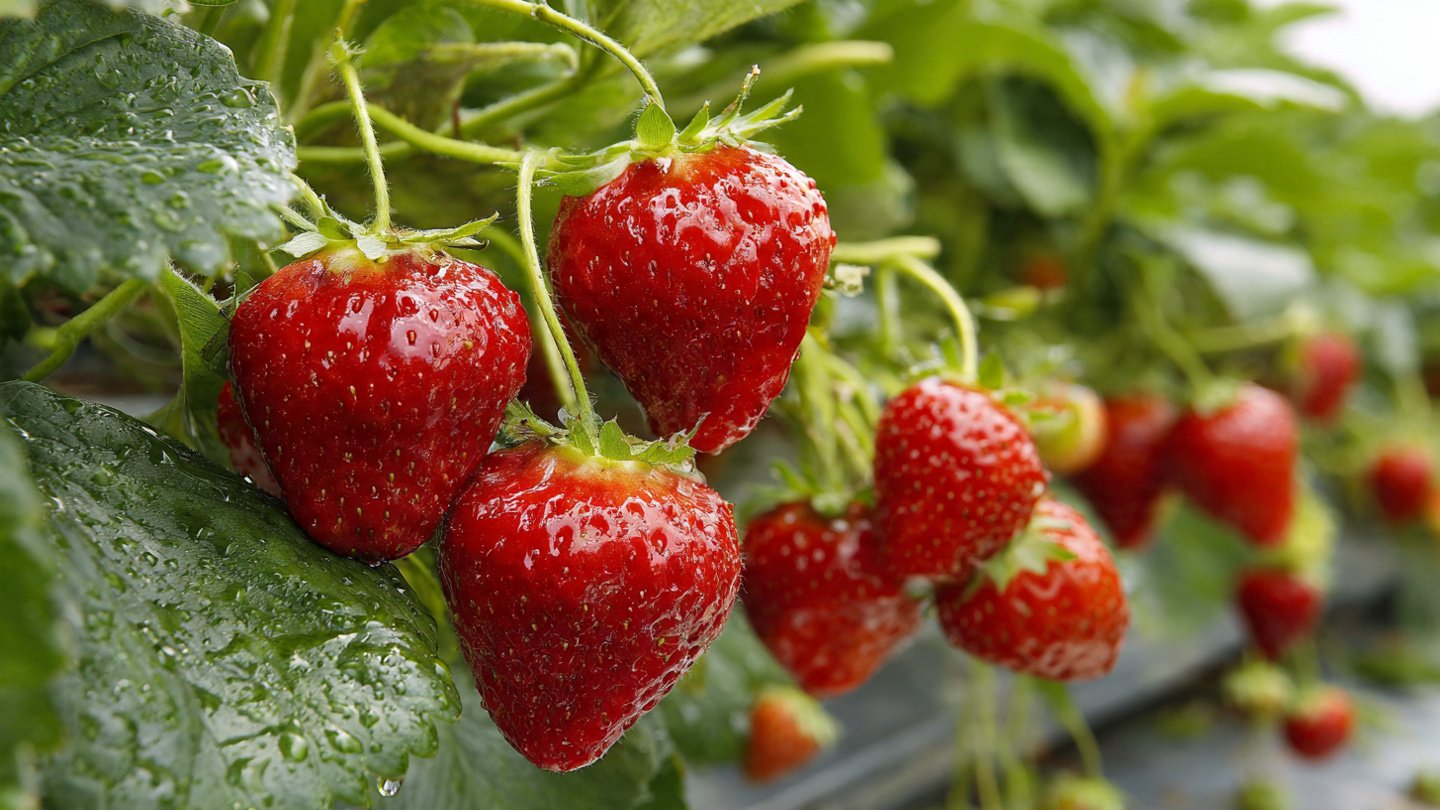
If you’ve been growing strawberries, you may have noticed a familiar sight: long, thin stems extending from your main plants, sending out baby plants at every turn. These stems, called runners, are an essential part of strawberry plant reproduction, but they can also create challenges for gardeners trying to maximize fruit production. When runners start to dominate the patch, they may take energy away from your main plants and reduce your overall harvest. Understanding why runners form, how they affect fruit production, and how to manage them is key to maintaining a healthy and productive strawberry garden.
What Are Strawberry Runners?
Strawberry plants reproduce in two main ways: by seed and by vegetative growth. While seeds are common in nature, home gardeners rarely grow strawberries from seeds because it takes longer and the resulting plants may not produce fruit true to the parent variety. Instead, strawberries propagate efficiently through runners.
A runner, or stolon, is a horizontal stem that grows outward from the main plant. At intervals along the runner, small buds form, and when these buds touch soil, they develop into new plants called daughter plants. These daughter plants are genetically identical to the parent, ensuring that your favorite strawberry variety is reliably reproduced.
Runners are a natural survival mechanism. In the wild, strawberries spread across the ground, colonizing new areas without relying on seed germination. In a garden setting, however, unchecked runners can sometimes work against the gardener’s goals.
Why Strawberry Plants Produce Runners
Several factors influence why strawberry plants send out runners:
- Plant Maturity: Mature strawberry plants naturally produce runners once they are established. Young plants tend to focus more on root and leaf development.
- Variety: Some strawberry varieties, particularly June-bearing and everbearing types, produce runners more aggressively than others. Day-neutral varieties may produce fewer runners depending on growing conditions.
- Environmental Conditions: Strawberries in nutrient-rich soil, with ample sunlight and water, are more likely to produce runners. When the plant feels “comfortable,” it invests in spreading itself rather than focusing solely on fruit production.
- Fruit Load: Paradoxically, plants producing fewer berries may compensate by sending out more runners to ensure their genes survive. Conversely, plants heavily focused on flowering and fruiting may generate fewer runners during peak harvest times.
How Runners Affect Your Main Harvest
While runners are essential for propagation, they can negatively impact your main harvest in several ways:
- Energy Diversion: Strawberry plants have limited energy resources. When a plant invests in runners, it diverts nutrients, water, and photosynthates away from flower and fruit production. As a result, fewer flowers may form, and fruit size or quality may decrease.
- Crowding: Runners that take root too close to the main plants can create dense clusters, reducing airflow and increasing susceptibility to fungal diseases like powdery mildew or gray mold.
- Competition for Resources: Daughter plants from runners compete with the mother plant for soil nutrients, sunlight, and water, further stressing the main plant and potentially reducing berry yield.
- Delayed Fruit Production in Daughter Plants: While runners eventually grow into fruiting plants, young daughter plants typically focus on leaf and root development first. If left unchecked, they may crowd the main patch before contributing to the harvest.
Understanding these effects can help gardeners make informed decisions about managing runners to maximize fruit production.
How to Manage Strawberry Runners
Managing runners doesn’t mean you have to remove them entirely. The goal is to balance propagation with fruit production so your strawberry patch remains healthy and productive.
1. Pinch Off Unwanted Runners
For gardeners focused on fruiting, the simplest method is to pinch off runners as they appear. This directs the plant’s energy into developing flowers and fruit rather than creating new daughter plants. Using clean fingers or scissors, gently remove the runner near its base without damaging the main plant. Regular monitoring ensures runners do not get out of control.
2. Use Runners Strategically
If you want to expand your strawberry patch, consider using runners intentionally rather than letting them take over. Place pots or small containers filled with soil near the main plant and guide the runner tips into these containers. Once the new plants take root, they can be separated from the mother plant and transplanted elsewhere. This method allows propagation without crowding the main harvest area.
3. Space Plants Properly
Proper spacing between plants reduces competition for light, water, and nutrients, and minimizes the chance that runners will interfere with the main crop. Typically, spacing strawberry plants 12–18 inches apart is sufficient for June-bearing varieties, while day-neutral or everbearing types may need slightly more room.
4. Consider Plant Variety
Choosing a strawberry variety that matches your goals can reduce runner-related problems. If your focus is maximum fruit yield, select varieties known to produce fewer runners. Some day-neutral varieties are bred specifically for reduced runner production and higher berry output.
5. Fertilization Management
Over-fertilization, especially with nitrogen-rich fertilizers, encourages vegetative growth, including runners, at the expense of flowers and fruit. Use balanced fertilizers and follow a feeding schedule appropriate for fruiting rather than foliage. Consider applying fertilizer after the main harvest to support plant recovery without promoting excessive runner production during the critical fruiting period.
6. Maintain Plant Health
Healthy strawberry plants are better equipped to balance fruiting and runner production. Proper watering, mulching, pest control, and pruning of old leaves reduce stress on the plant and ensure energy is allocated efficiently. Removing dead or diseased leaves also improves airflow, reducing disease risk in crowded patches.
Signs You Need to Control Runners
Recognizing when runners are negatively impacting your harvest is essential. Look for these warning signs:
- Main plants producing fewer flowers or smaller berries than expected.
- Dense clusters of daughter plants crowding the main patch.
- Excessive shading of the mother plant by runner offspring.
- Signs of fungal disease due to poor airflow or moisture accumulation.
If these signs appear, it’s time to prune runners and redirect the plant’s energy toward fruit production.
Benefits of Runners When Managed Properly
When controlled strategically, runners can benefit your garden without compromising your main harvest:
- Expand Your Garden: New daughter plants can increase the size of your strawberry patch over time.
- Replace Old Plants: Runners provide young, vigorous replacements for aging mother plants, maintaining long-term productivity.
- Maintain Genetic Consistency: Because runners are clones, you can preserve the traits of your favorite variety without risking genetic variation from seeds.
By managing runners, gardeners can enjoy both immediate fruit production and long-term expansion of their strawberry patch.
Conclusion
Strawberry runners are both a blessing and a challenge for gardeners. While they allow plants to propagate efficiently, they can take energy away from the main harvest if left unchecked. Understanding why runners form, how they affect fruit production, and how to manage them is crucial for achieving a productive and healthy strawberry garden.
By strategically pruning runners, guiding them to propagate intentionally, and maintaining proper plant spacing, nutrition, and overall care, you can enjoy bountiful berry harvests while still expanding your garden over time. Remember, balance is key: healthy, managed runners enhance your garden, while unchecked runners can reduce fruit quality and yield.
With proper attention, your strawberries can provide both a plentiful harvest this season and a sustainable patch for years to come. Runners don’t have to compete with your main harvest—they can be allies if handled wisely.