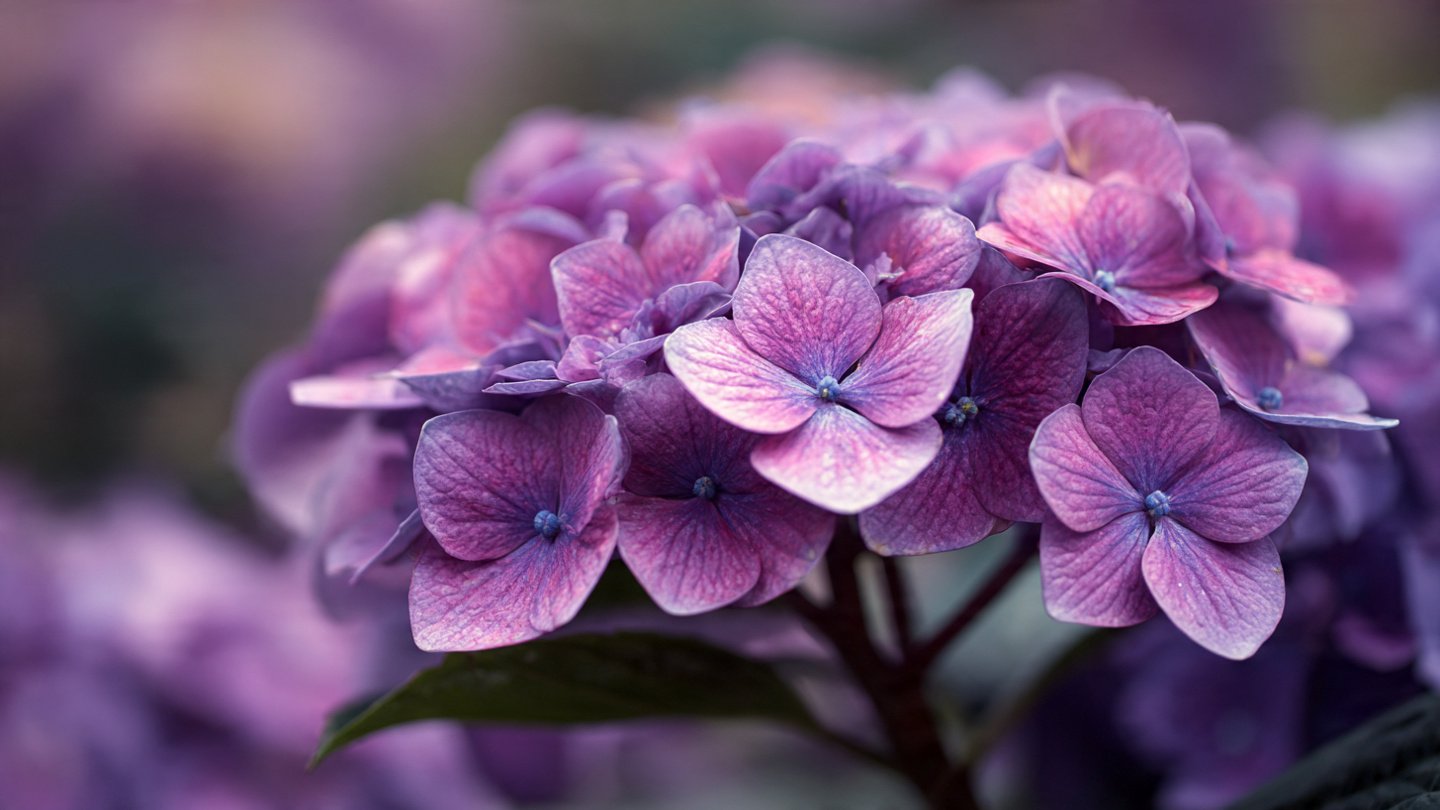
Hydrangeas are beloved for their lush, vibrant blooms and bold, leafy foliage, making them a staple in many home gardens. However, a common frustration among gardeners is that their hydrangeas seem to shrink over the years—producing smaller leaves, shorter stems, and fewer flowers. Understanding why this happens is the first step toward restoring your hydrangea to its former glory. Several environmental, cultural, and care-related factors can contribute to this gradual decline, but with the right strategies, you can reverse the trend and encourage healthy growth year after year.
Understanding Hydrangea Growth Patterns
Hydrangeas are perennial shrubs, meaning they live for many years and can continue to bloom with proper care. Most common types—like Hydrangea macrophylla (bigleaf), Hydrangea paniculata (panicle), and Hydrangea quercifolia (oakleaf)—can grow to several feet in height and width, given adequate conditions.
However, their growth is influenced by several factors:
- Age: As hydrangeas age, they naturally slow their growth and bloom production.
- Pruning History: Incorrect or aggressive pruning can reduce the plant’s size and flower output.
- Soil Health: Nutrient deficiencies or poor soil structure can stunt growth over time.
- Watering and Sunlight: Hydrangeas are sensitive to both drought and excessive heat, which can cause foliage shrinkage.
Recognizing these factors helps gardeners identify why their plants may be shrinking and how to intervene.
Common Reasons Hydrangeas Shrink
1. Nutrient Deficiencies
Hydrangeas require a balanced supply of nutrients for healthy leaf, stem, and flower development. Over time, soil can become depleted of essential elements, leading to smaller leaves and stunted growth.
- Nitrogen Deficiency: Nitrogen is critical for leafy growth. A deficiency often manifests as pale, small leaves and slow growth.
- Phosphorus and Potassium: These nutrients are important for strong stems and flower development. A lack can result in weak stems and fewer blooms.
Solution: Conduct a soil test to identify deficiencies. Apply a balanced, slow-release fertilizer formulated for flowering shrubs, or use organic amendments like compost or well-rotted manure to replenish nutrients naturally.
2. Improper Pruning
Pruning is essential for maintaining hydrangea health, but mistakes can shrink your plant.
- Pruning at the Wrong Time: Many hydrangea types bloom on old wood, so cutting branches in late winter or early spring can remove flower buds and reduce growth.
- Over-Pruning: Removing too much foliage or stems can stress the plant, limiting leaf and flower production for the season.
Solution: Identify your hydrangea type and prune accordingly. For bigleaf hydrangeas, prune immediately after flowering, leaving flowered stems intact. For panicle and smooth hydrangeas, prune in late winter or early spring, but avoid excessive cutting.
3. Aging Stems
Over time, older stems become less productive. Shrinking leaves and flowers often occur when a plant has a high proportion of aging wood.
Solution: Introduce rejuvenation pruning by selectively removing old, woody stems at the base to encourage new shoots. This stimulates growth and restores vigor to the shrub.
4. Root Problems
Hydrangeas rely on a strong root system to absorb water and nutrients. Compacted soil, poor drainage, or root damage can stunt growth and cause shrinking leaves.
- Poor Drainage: Waterlogged roots may rot, reducing nutrient uptake.
- Compacted Soil: Roots struggle to expand, limiting overall growth.
- Root Damage: Construction, digging, or transplanting can harm roots.
Solution: Ensure your hydrangeas are planted in well-draining soil. Mulch around the base to retain moisture and protect roots, and avoid heavy foot traffic near the plant. If soil is compacted, gently aerate the area around the root zone.
5. Environmental Stress
Hydrangeas are sensitive to their environment. Extreme heat, wind, or inconsistent watering can shrink foliage and stunt stems.
- Heat Stress: Prolonged exposure to hot sun can cause smaller leaves and wilting.
- Drought Stress: Inadequate watering leads to nutrient stress and reduced leaf size.
- Cold Damage: Late frosts can kill buds, reducing leaf and flower size in the growing season.
Solution: Plant hydrangeas in locations with morning sun and afternoon shade in hot climates. Maintain consistent soil moisture with regular watering, especially during dry spells. Use frost cloths or mulch to protect plants from late frosts.
6. Disease and Pest Pressure
Pests and diseases can reduce leaf size and overall vigor.
- Aphids and Spider Mites: These pests feed on foliage, causing leaves to shrink and curl.
- Fungal Diseases: Powdery mildew or leaf spot can reduce photosynthesis, stunting growth.
- Root Rot or Crown Rot: Fungal infections at the roots or base can impair nutrient uptake.
Solution: Inspect plants regularly and treat infestations promptly using insecticidal soaps, neem oil, or organic fungicides. Maintain good airflow by proper spacing and pruning. Avoid overhead watering to minimize fungal risks.
How to Restore Hydrangea Size and Vigor
If your hydrangeas have been shrinking, there are practical steps you can take to encourage recovery and lush growth:
1. Improve Soil Nutrition
- Conduct a soil test to determine deficiencies.
- Apply a balanced fertilizer with nitrogen, phosphorus, and potassium.
- Add organic matter, such as compost, to improve soil structure and nutrient content.
2. Prune Strategically
- Remove dead, damaged, or overly woody stems to stimulate new growth.
- Avoid cutting flowering buds on old wood for types like bigleaf hydrangeas.
- For panicle or smooth hydrangeas, prune lightly in late winter to encourage taller stems.
3. Optimize Watering
- Maintain consistent moisture, especially during summer heat.
- Mulch around the base to reduce evaporation and regulate soil temperature.
- Avoid waterlogging by ensuring proper drainage.
4. Protect from Environmental Stress
- Provide afternoon shade in hot climates.
- Use windbreaks if the site is exposed.
- Protect buds from late frosts using frost cloths or temporary covers.
5. Encourage Root Health
- Aerate compacted soil gently around the base of the plant.
- Avoid heavy traffic near roots.
- Consider adding a slow-release fertilizer or compost around the root zone to nourish roots naturally.
6. Manage Pests and Diseases
- Monitor for insects such as aphids or spider mites.
- Treat fungal infections promptly with organic fungicides.
- Remove infected foliage to prevent spread.
Long-Term Maintenance
Hydrangeas can thrive for decades with proper care. To prevent shrinking and maintain vigor:
- Rotate Pruning: Avoid pruning the same branches each year; spread rejuvenation over several seasons.
- Fertilize Annually: Apply a balanced fertilizer or compost each spring to sustain growth.
- Monitor Water Needs: Adjust watering as seasons change to prevent stress.
- Mulch Consistently: Mulch preserves moisture, suppresses weeds, and moderates soil temperature.
By following these maintenance practices, your hydrangeas can retain their size, produce larger leaves, and maintain abundant flowers year after year.
Conclusion
Shrinking hydrangeas are a common concern for gardeners, but the causes are usually straightforward: nutrient deficiencies, improper pruning, aging stems, root stress, environmental factors, or pest and disease pressure. By identifying the underlying reason and applying targeted solutions—such as improving soil fertility, pruning strategically, maintaining consistent water, protecting from environmental stress, and managing pests—you can restore your hydrangeas to their full potential.
With patience and attentive care, your hydrangeas can recover from years of decline, producing lush foliage, tall stems, and stunning blooms. By focusing on the plant’s needs and providing the right environment, you ensure that your hydrangeas remain a showpiece in your garden for years to come, delighting both the eyes and the senses.