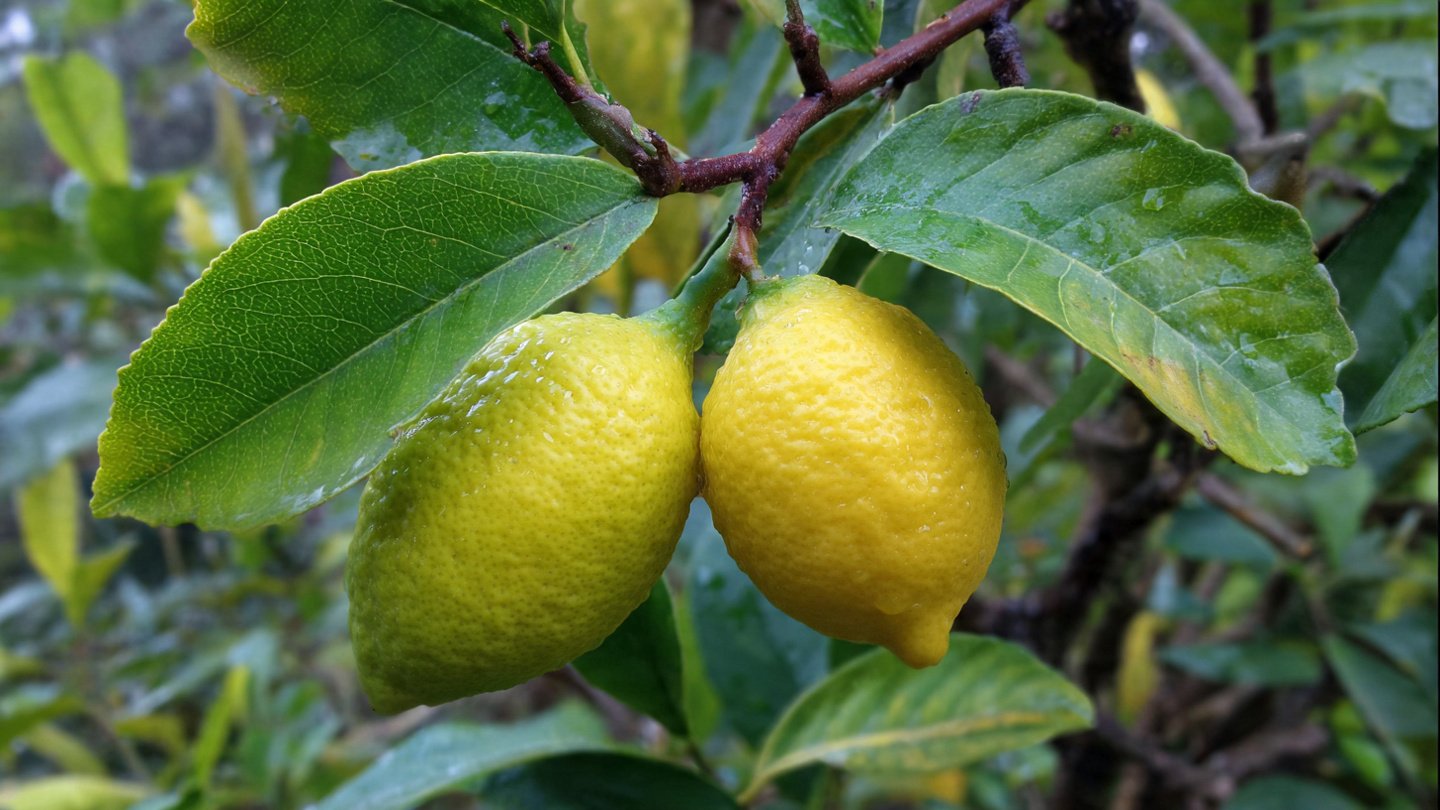
A healthy lemon tree is a beautiful addition to any garden or indoor space, with glossy green leaves and bright, fragrant fruit. However, one common problem many lemon tree owners face is yellowing leaves. Yellow leaves are not only unattractive—they are often a signal that your tree is under stress. Understanding the causes and solutions for yellowing leaves can help your lemon tree thrive and produce abundant fruit. This guide explores the main reasons your lemon tree leaves might be turning yellow and what you can do to address the problem.
Understanding Lemon Tree Leaf Yellowing
Leaf yellowing, also known as chlorosis, occurs when a plant’s leaves lose their green color. In lemon trees, chlorosis can appear as:
- Uniform yellowing, where the entire leaf turns yellow.
- Interveinal chlorosis, where the leaf veins remain green but the spaces between them turn yellow.
- Spotting or patchy yellowing, which may indicate disease or pest damage.
Yellow leaves indicate that your lemon tree is experiencing some kind of imbalance—whether in nutrients, water, or environmental conditions. Identifying the underlying cause is essential to correct it and restore your tree’s health.
1. Nutrient Deficiencies
One of the most common reasons for yellow leaves in lemon trees is nutrient deficiency. Lemon trees require a balanced supply of nutrients to maintain healthy foliage and fruit production. The key deficiencies that cause yellow leaves include:
Nitrogen Deficiency
Nitrogen is crucial for leaf growth and overall plant vigor. A nitrogen-deficient lemon tree will develop uniform yellow leaves, often starting with older leaves near the base of the tree. Growth may also slow, and the tree may produce fewer flowers and fruits.
Solution: Apply a nitrogen-rich fertilizer formulated for citrus trees. Look for products with a higher first number in the N-P-K ratio (e.g., 6-4-6). Organic options include composted manure, blood meal, or fish emulsion.
Iron Deficiency
Iron deficiency often causes interveinal chlorosis, where the veins of the leaves remain green while the surrounding tissue turns yellow. This typically affects younger leaves at the top of the tree. Iron deficiency is often due to high soil pH, which limits the tree’s ability to absorb iron.
Solution: Apply chelated iron directly to the soil or as a foliar spray. In areas with alkaline soil, consider soil amendments such as elemental sulfur to lower the pH gradually.
Magnesium Deficiency
Magnesium is a component of chlorophyll and is essential for photosynthesis. A magnesium deficiency can cause yellowing between the leaf veins, often starting with older leaves. Leaves may also develop brown edges or leaf curling.
Solution: Use Epsom salts (magnesium sulfate) applied to the soil or as a foliar spray. Repeat applications may be necessary throughout the growing season.
Zinc Deficiency
Zinc deficiency is less common but can cause small, yellow leaves and stunted growth, often with distorted new shoots.
Solution: Apply a zinc-containing fertilizer or chelated zinc foliar spray according to the product instructions.
2. Overwatering or Poor Drainage
Lemon trees are sensitive to water stress, and too much water is a leading cause of yellow leaves. Overwatering can suffocate the roots, depriving them of oxygen and causing root rot. Signs include:
- Yellow leaves, often dropping from the tree.
- Wilting despite moist soil.
- A foul odor in the soil (a sign of root rot).
Solution:
- Ensure your lemon tree is planted in well-draining soil. Citrus trees prefer sandy or loamy soil that allows excess water to escape.
- Water deeply but allow the top 2–3 inches of soil to dry between watering.
- If root rot is severe, repotting the tree in fresh soil and trimming affected roots may be necessary.
3. Underwatering or Drought Stress
While overwatering is a common problem, underwatering can also cause leaves to yellow. If a lemon tree does not receive enough water:
- Leaves may turn pale yellow before browning and falling off.
- Growth may slow, and fruit development may be poor.
- Older leaves are often affected first.
Solution: Maintain a consistent watering schedule, especially during hot, dry periods. Deep watering ensures the roots access enough moisture, which is more effective than frequent shallow watering. Mulching around the base can help retain soil moisture.
4. Environmental Stress
Lemon trees are sensitive to changes in their environment. Several environmental factors can trigger yellow leaves:
Temperature Extremes
- Lemon trees prefer temperatures between 55°F and 85°F (13°C–29°C).
- Prolonged cold can cause yellowing and leaf drop.
- Sudden heat or strong sun exposure can scorch leaves, causing yellowing and browning.
Solution:
- Protect outdoor trees from frost with covers or move potted trees indoors during cold snaps.
- Provide partial shade during extreme heat to prevent sunburn.
Poor Light Conditions
Lemon trees need full sun (at least 6–8 hours a day) to thrive. Insufficient light can cause leaves to yellow, especially in indoor or shaded locations.
Solution: Move potted trees to a sunny window or use supplemental grow lights to ensure adequate light exposure.
Transplant Shock
Transplanting or repotting a lemon tree can stress it temporarily, causing leaves to yellow and drop.
Solution: Avoid unnecessary disturbance, and give the tree time to acclimate. Water carefully and provide partial shade if possible.
5. Pests and Diseases
Pests and diseases can also contribute to yellow leaves:
Common Pests
- Aphids, spider mites, and scale insects suck sap from leaves, causing yellowing and deformities.
- Look for sticky residue (honeydew) or tiny insects on the undersides of leaves.
Solution:
- Spray with insecticidal soap or neem oil.
- Introduce beneficial insects like ladybugs to control pest populations naturally.
Diseases
- Root rot, often caused by overwatering, leads to yellowing and wilting leaves.
- Citrus greening (Huanglongbing) is a serious bacterial disease that can cause yellow blotches, stunted growth, and reduced fruit production.
Solution:
- Maintain proper watering and soil drainage.
- Remove and destroy affected leaves or branches.
- For serious diseases like citrus greening, consult local agricultural authorities for control measures.
6. Nutrient Lockout
Even when the soil contains adequate nutrients, chemical imbalances or high salinity can prevent the tree from absorbing them, leading to yellow leaves. High levels of phosphorus, for example, can lock out iron and other micronutrients. Similarly, excessive fertilizer salts from repeated feeding can stress roots.
Solution:
- Conduct a soil test to determine nutrient levels and pH.
- Adjust fertilization based on soil recommendations.
- Flush the soil with water if salt buildup is suspected.
7. Natural Leaf Aging
Finally, some yellowing may be completely normal. Lemon trees naturally shed older leaves to make way for new growth. In this case:
- Only older, lower leaves turn yellow and fall.
- New growth remains healthy and green.
Solution: No action is needed unless yellowing spreads to new growth or the tree shows other signs of stress.
How to Prevent Yellow Leaves on Lemon Trees
To minimize the risk of yellow leaves, follow these best practices:
- Fertilize regularly with a balanced citrus fertilizer.
- Water consistently and ensure proper drainage.
- Provide full sun and protect from extreme weather.
- Monitor for pests and diseases frequently.
- Use well-draining soil and avoid planting in heavy clay without amendments.
- Mulch to conserve moisture and regulate soil temperature.
- Prune carefully to encourage healthy airflow and growth.
Conclusion
Yellowing leaves on a lemon tree are rarely a random problem. They are usually a clear signal that the tree is experiencing stress—whether from nutrient deficiencies, improper watering, environmental factors, pests, or disease. By carefully observing your tree, identifying the pattern of yellowing, and taking appropriate corrective action, you can restore its health.
With proper care, a lemon tree will bounce back from yellow leaves, producing lush foliage and bountiful fruit. Paying attention to the needs of your tree—sunlight, water, nutrients, and protection from pests—ensures that it remains healthy year-round. Remember, consistent monitoring and timely interventions are key to keeping your lemon tree vibrant and green.