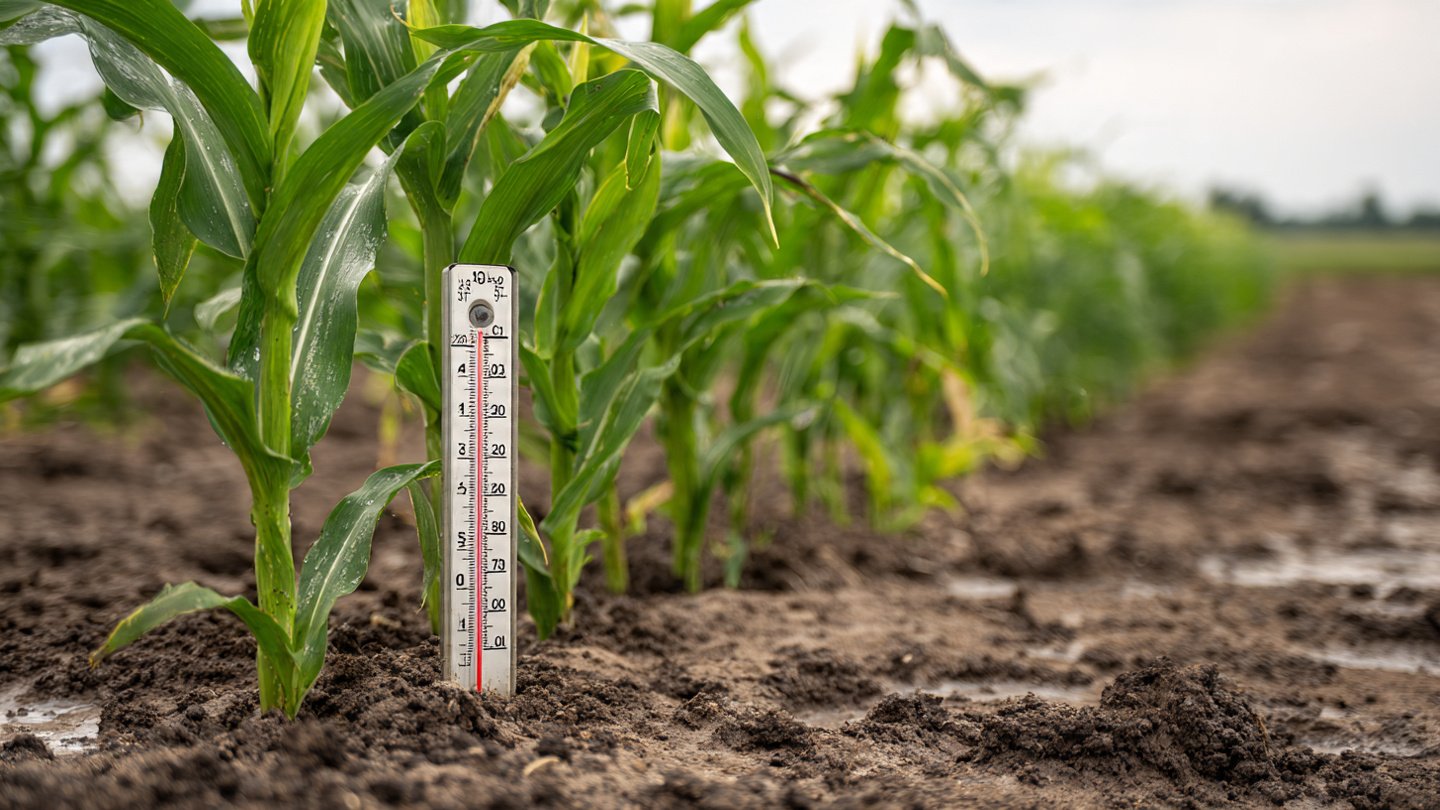
Corn, or maize (Zea mays), is one of the most widely grown crops in the world and a staple in home gardens and large-scale agriculture alike. While many factors influence a successful corn harvest—soil fertility, irrigation, pest management, and weather—one often overlooked but crucial tool is the soil thermometer. Using a soil thermometer can dramatically improve your corn planting success by ensuring optimal soil conditions for germination, growth, and yield. In this article, we explore the importance of soil temperature, how to use a soil thermometer effectively, and why it can make the difference between mediocre and bountiful corn harvests.
Why Soil Temperature Matters for Corn
Corn is a warm-season crop that requires certain soil conditions for seeds to germinate and grow successfully. Soil temperature directly influences:
- Seed Germination: Corn seeds begin to germinate when soil temperatures reach a minimum threshold, typically around 50°F (10°C). However, optimal germination occurs at 60–95°F (16–35°C). Planting too early in cold soil slows germination, increases susceptibility to disease, and can lead to uneven emergence.
- Root Development: Warm soil encourages rapid root growth, allowing seedlings to establish quickly and access nutrients and water efficiently. Cold soil delays root expansion, making plants more vulnerable to stress.
- Nutrient Uptake: Soil microbes responsible for nutrient cycling are temperature-sensitive. In cold soils, microbial activity slows, limiting nitrogen and other essential nutrients’ availability to corn seedlings.
- Plant Health and Growth: Optimal soil temperatures help corn seedlings develop strong stems and leaves, improving resistance to pests, disease, and environmental stress.
By monitoring soil temperature, gardeners and farmers can make informed planting decisions, improving germination rates, early growth, and ultimately yield.
What Is a Soil Thermometer?
A soil thermometer is a simple but essential gardening tool designed to measure the temperature of the soil at planting depth. Unlike standard thermometers that measure air temperature, soil thermometers have long probes that reach several inches into the soil, providing accurate readings where seeds will actually grow.
There are several types of soil thermometers:
- Analog Soil Thermometers: Traditional thermometers with a metal or glass probe and a dial display. Durable and easy to read, they require no batteries.
- Digital Soil Thermometers: Offer faster readings and greater precision. Some models record minimum and maximum soil temperatures, which can be helpful for tracking soil trends over time.
- Infrared Soil Thermometers: Non-contact thermometers that measure surface soil temperature instantly. While convenient, they may be less accurate for planting depth readings.
For corn planting, a simple analog or digital soil thermometer inserted to the seed depth (usually 1–2 inches) is most effective.
How Soil Temperature Influences Corn Planting Decisions
Knowing your soil temperature allows you to make data-driven decisions regarding:
- Planting Timing: Planting corn in soil that is too cold delays germination, increases seed rot, and reduces stands. Soil thermometers help you identify the earliest date when soil temperatures reach a safe and optimal range.
- Variety Selection: Some corn varieties are more cold-tolerant than others. By tracking soil temperatures, you can decide whether to plant early-maturing, heat-tolerant varieties or wait for warmer soil to plant standard types.
- Soil Preparation: Cold soils often indicate wet or compacted conditions, which can impede seedling growth. Monitoring soil temperature can guide decisions on tilling, adding mulch, or applying starter fertilizers.
- Frost Avoidance: By checking soil temperature trends, gardeners can avoid planting too early and risking frost damage to young seedlings. Corn is highly sensitive to frost, which can kill emerging seedlings and delay growth.
Tips for Using a Soil Thermometer Effectively
To maximize corn planting success, follow these soil thermometer best practices:
- Measure at Planting Depth: Insert the thermometer 1–2 inches into the soil, which is the typical depth for corn seeds. Surface soil temperatures alone may be misleading.
- Check Daily During Planting Season: Soil temperatures can fluctuate due to sun exposure, rainfall, and air temperature. Daily monitoring ensures you plant at the optimal time.
- Consider Morning and Afternoon Readings: Soil warms gradually throughout the day. Take readings in the morning for minimum temperatures and afternoon for maximum. Aim to plant when daily soil temperatures consistently reach at least 60°F (16°C).
- Track Temperature Trends: Maintaining a simple log of soil temperatures helps identify when the soil is warming up steadily for safe planting. This is especially useful in regions with unpredictable spring weather.
- Account for Microclimates: Different areas of your garden may warm at different rates. South-facing slopes or raised beds warm faster than shaded or low-lying areas. Soil thermometers allow you to plant in the warmest microclimate first.
Combining Soil Temperature Knowledge with Other Planting Practices
While soil temperature is critical, combining it with other planting strategies ensures corn thrives:
- Seed Treatment: Use fungicide-treated seeds if planting in cooler soils to reduce the risk of seed rot.
- Starter Fertilizers: Applying a balanced starter fertilizer near the seed can boost nutrient availability in cooler soils, giving seedlings a strong start.
- Raised Beds or Plastic Mulch: In cooler climates, raised beds and black plastic mulch can warm the soil faster, allowing earlier planting. A soil thermometer helps you know exactly when these methods have warmed the soil sufficiently.
- Row Orientation: South-facing rows warm faster in spring, which is ideal for early corn planting. Using a soil thermometer in different areas of your field or garden can help you select the best row orientation.
Signs Soil Temperature Is Optimal
When soil is at the right temperature, corn seeds germinate evenly and quickly. Some signs include:
- Rapid and uniform seedling emergence within 5–10 days.
- Healthy, upright seedlings with strong roots.
- Minimal seed rot or damping-off issues.
- Consistent growth rates across the planting area.
If seedlings emerge slowly, appear weak, or fail to sprout, soil temperature may have been too low. Adjust your planting schedule accordingly.
Long-Term Benefits of Using a Soil Thermometer
Regularly using a soil thermometer offers multiple long-term benefits for gardeners and farmers:
- Higher Germination Rates: Planting at the optimal soil temperature ensures maximum seed viability.
- Stronger Seedlings: Warm soil encourages rapid root and leaf development, producing healthier plants.
- Better Yield: Even emergence and early growth contribute to uniform plant stands and higher yields at harvest.
- Reduced Risk of Crop Loss: Avoiding cold soil planting reduces disease incidence, frost damage, and poor stand establishment.
- Efficient Planning: Tracking soil temperatures over multiple seasons allows you to refine planting schedules and make better decisions about seed varieties and soil preparation.
Common Mistakes to Avoid
Even with a soil thermometer, some mistakes can limit corn success:
- Ignoring Soil Moisture: Warm soil is important, but dry soil prevents germination. Ensure adequate moisture when planting.
- Relying Solely on Air Temperature: Air may feel warm, but soil can remain too cold for germination. Always check the soil directly.
- Planting Too Early: Early planting in cold soil, even if the air is warm, can lead to slow emergence, disease, or poor stands.
- Neglecting Microclimates: Planting the entire field in one location may ignore variations in soil warmth across different areas.
Conclusion
A soil thermometer is a small, inexpensive tool that can dramatically transform corn planting success. By providing accurate, real-time soil temperature readings, it helps gardeners and farmers make informed decisions about planting timing, seed variety, soil preparation, and overall crop management. Planting corn in optimal soil temperatures ensures rapid germination, strong root development, and higher yields while reducing the risk of seed rot, frost damage, and uneven growth.
In essence, using a soil thermometer shifts corn planting from guesswork to science. It allows growers to take control of one of the most critical factors for crop success: the soil environment. Whether you are planting a backyard garden or managing a larger field, investing time in monitoring soil temperature can pay dividends in healthier plants, improved yields, and more consistent harvests.
By incorporating this simple tool into your planting routine, you maximize the potential of your corn seeds, turning careful planning into a bountiful harvest. So, before you plant your next row of corn, grab a soil thermometer, measure, and ensure your soil is at its optimum—your plants, and your harvest, will thank you.